
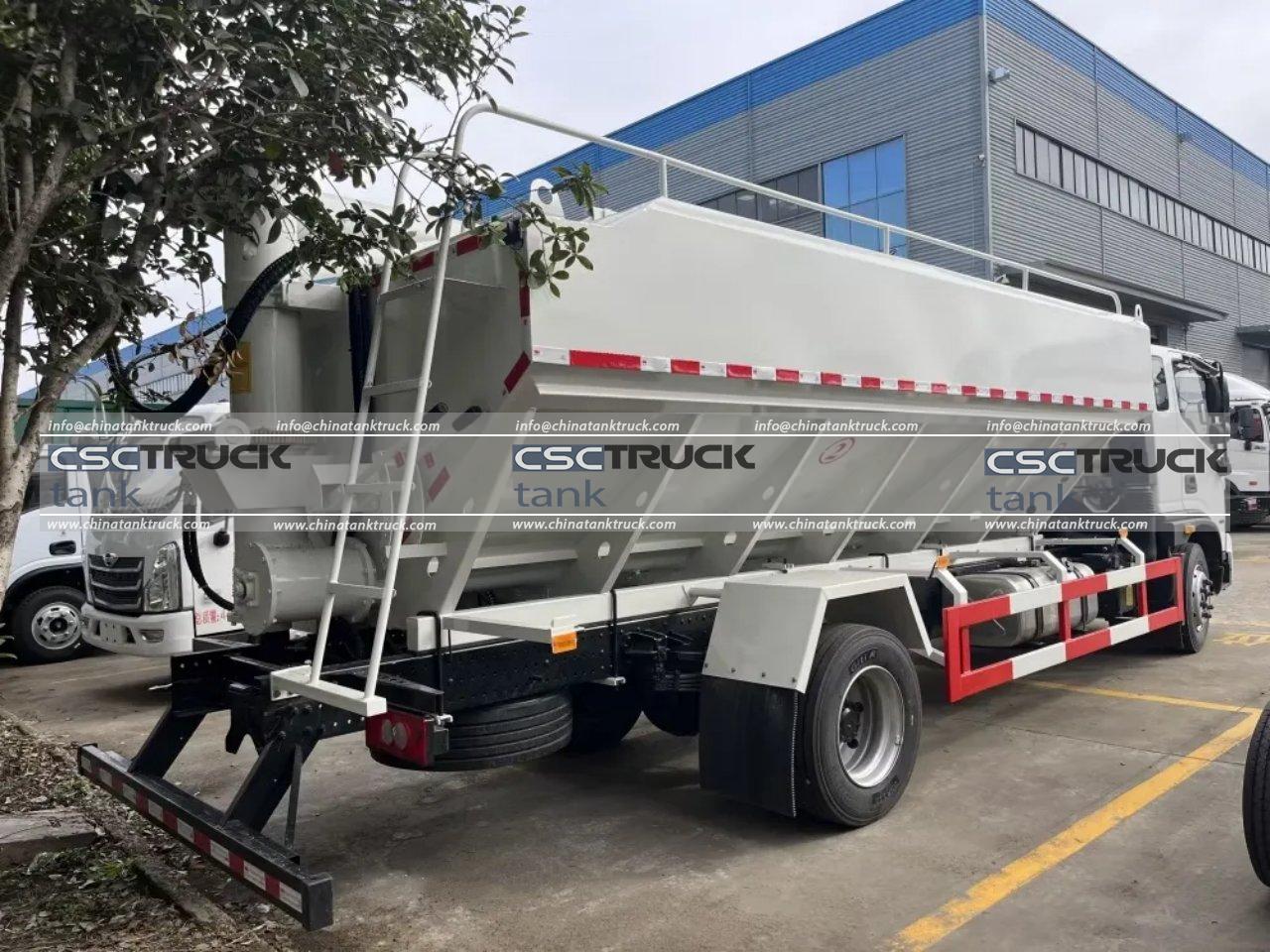
Pneumatic tank trucks are specialized vehicles designed to transport dry bulk materials such as cement, fly ash, lime powder, flour, plastic pellets, and other powdered or granular products. Unlike liquid tankers, these trucks use compressed air to unload cargo quickly and cleanly without requiring external unloading equipment. One of the most common questions asked by fleet operators, logistics companies, and construction businesses is: What is the maximum payload of a pneumatic tank truck?
The answer depends on several factors, including the truck chassis, tank volume, axle configuration, tank material, legal road weight limits, and the density of the cargo being transported. While payload capacities vary widely, modern pneumatic tank trucks can typically carry 10 to over 40 metric tons of dry bulk material, depending on their design and operating region.
CSCTRUCK China Tank Truck: A Trusted Manufacturer
CSCTRUCK China Tank Truck is a leading Chinese manufacturer specializing in the design and production of high-quality tank trucks for industries worldwide. Founded in 2005, the company manufactures a wide range of specialized vehicles, including fuel tankers, chemical tank trucks, LPG transport vehicles, water tankers, sewage trucks, and pneumatic tank trucks for dry bulk transportation. With advanced manufacturing facilities, strict quality control, and extensive export experience, CSCTRUCK China Tank Truck provides customized solutions that comply with international standards and customer requirements.
Its pneumatic tank trucks are engineered for efficient transportation of cement, lime, fly ash, flour, and other powder materials, offering reliable performance, durable construction, and fast pneumatic unloading systems.

Understanding Payload
Before discussing maximum payload, it is important to distinguish between several weight measurements.
- Tare Weight: The empty weight of the truck, including the chassis, tank, compressor, and accessories.
- Gross Vehicle Weight (GVW): The maximum allowable weight of the fully loaded truck.
- Payload: The actual weight of the cargo that the truck can legally and safely transport.
The relationship is straightforward:
Payload = GVW − Tare Weight
For example:
- GVW: 40,000 kg
- Empty vehicle weight: 15,000 kg
Maximum payload:
40,000 − 15,000 = 25,000 kg (25 tons)
Typical Payload Capacities
Most pneumatic tank trucks fall into the following payload categories.
| Truck Type | Typical Payload |
|---|---|
| Small 2-axle truck | 8–12 tons |
| Medium 3-axle truck | 12–18 tons |
| Heavy 4-axle truck | 20–28 tons |
| Semi-trailer pneumatic tanker | 28–40+ tons |
Large articulated pneumatic tank trailers generally offer the highest payload because the trailer distributes weight across multiple axles while providing much larger tank volumes.

Factors That Determine Maximum Payload
1. Chassis Configuration
The number of axles significantly affects legal carrying capacity.
Common configurations include:
- 4×2
- 6×4
- 8×4
- Tractor with semi-trailer
More axles allow greater legal gross vehicle weight, enabling higher payloads while remaining compliant with highway regulations.
2. Tank Volume
A larger tank does not automatically mean a heavier payload.
Typical tank capacities include:
- 20 m³
- 30 m³
- 35 m³
- 38 m³
- 45 m³
- 50–60 m³ (semi-trailers)
The actual payload depends on both tank volume and cargo density.
3. Bulk Material Density
Different dry bulk products have different densities.
Examples include:
| Material | Approximate Density |
|---|---|
| Cement | 1.2–1.5 t/m³ |
| Fly ash | 0.7–1.1 t/m³ |
| Lime powder | 0.8–1.2 t/m³ |
| Flour | 0.55–0.65 t/m³ |
| Plastic pellets | 0.55–0.95 t/m³ |
Because of these differences, the same truck may transport significantly different payloads depending on the cargo.
For example, a 40 m³ tank filled with cement may reach the legal weight limit before the tank is full, while the same tank carrying flour may be filled without exceeding the weight restriction.
4. Tank Material
Tank construction also influences payload.
Common materials include:
- Carbon steel
- Aluminum alloy
- Stainless steel
Aluminum tanks are much lighter than carbon steel tanks, reducing tare weight and increasing allowable payload.
A lighter truck can legally carry more cargo while staying within the same gross vehicle weight limit.
5. Legal Road Regulations
Every country establishes maximum allowable vehicle weights.
Examples include:
- Maximum axle loads
- Bridge weight restrictions
- Highway gross vehicle limits
- Regional transport regulations
Even if a truck is physically capable of carrying more material, operators must comply with local transportation laws.
Real-World Payload Example
Consider a heavy-duty 8×4 pneumatic tank truck.
Specifications:
- Tank volume: 38 m³
- Empty weight: 15.3 tons
- GVW: 30 tons
Theoretical payload:
30 − 15.3 = 14.7 tons
Some manufacturers also offer larger semi-trailer pneumatic tankers with higher legal gross combination weights, allowing payloads exceeding 30 tons, depending on local regulations and vehicle configuration.

Why Payload Cannot Always Reach Tank Capacity
Many people assume that filling the tank always results in maximum efficiency.
In reality, operators may encounter:
- Weight limitations before the tank is full
- Volume limitations before reaching maximum weight
- Product expansion
- Safety margins
- Route-specific restrictions
For heavy materials like cement, trucks often reach legal weight limits while leaving unused tank volume.
For lighter materials such as plastic pellets, the tank may be full while remaining below the maximum legal weight.
Benefits of Maximizing Payload
Optimizing payload offers numerous advantages.
Lower Transportation Costs
Each trip carries more material, reducing the cost per ton.
Improved Fuel Efficiency
Fewer trips are required to move the same quantity of material.
Higher Productivity
Drivers complete more deliveries with fewer operating hours.
Reduced Fleet Size
Higher payload capacity means fewer trucks are needed for equivalent transport volumes.
Lower Carbon Emissions
Transporting more cargo per trip reduces overall fuel consumption and greenhouse gas emissions.
Challenges of Heavy Payloads
Although higher payloads improve efficiency, they also introduce operational challenges.
Tire Wear
Heavier loads increase tire stress and maintenance costs.
Brake Performance
More cargo requires stronger braking systems and longer stopping distances.
Suspension Stress
Suspension components experience greater wear under continuous heavy loading.
Compressor Performance
The pneumatic unloading system must generate sufficient air pressure to discharge heavier quantities of material efficiently.
Road Restrictions
Certain roads, bridges, and construction sites impose weight limitations that may require partial loading.
How Manufacturers Increase Payload
Modern manufacturers employ several engineering strategies to maximize payload while maintaining safety.
These include:
- Lightweight aluminum tanks
- High-strength steel construction
- Optimized chassis design
- Improved axle placement
- Lightweight piping systems
- Efficient air compressor integration
- Computer-aided structural analysis
These innovations reduce empty vehicle weight while maintaining structural integrity.

Choosing the Right Payload Capacity
Selecting the appropriate pneumatic tank truck depends on several operational factors.
Fleet managers should evaluate:
- Material type
- Material density
- Delivery distance
- Local road regulations
- Loading facility limitations
- Customer unloading requirements
- Operating terrain
- Annual transport volume
A properly matched truck maximizes productivity without exceeding legal weight limits.
Conclusion
The maximum payload of a pneumatic tank truck generally ranges from 10 to more than 40 metric tons, depending on chassis configuration, tank volume, construction materials, cargo density, and local transportation regulations. While tank size is important, payload is ultimately determined by the relationship between vehicle weight, legal gross weight limits, and the characteristics of the material being transported.
Manufacturers such as CSCTRUCK China Tank Truck continue to develop advanced pneumatic tank trucks that combine lightweight construction, durable engineering, efficient pneumatic unloading systems, and customizable configurations. By selecting the right combination of tank capacity, chassis, and payload, operators can maximize transportation efficiency, reduce operating costs, and ensure safe, reliable delivery of dry bulk materials across a wide range of industries.
