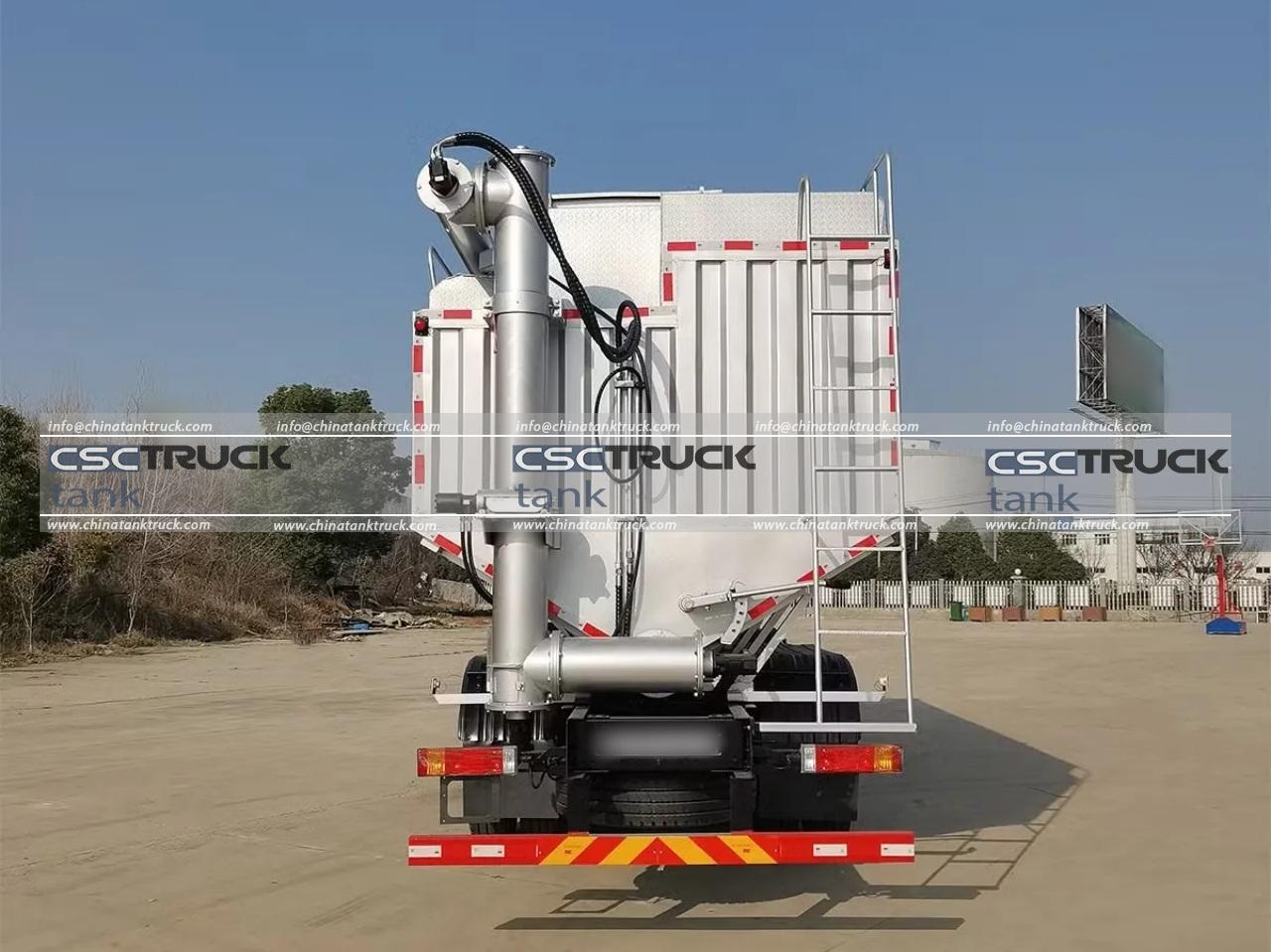

A pneumatic tank truck is a specialized vehicle designed to transport dry bulk materials such as cement, fly ash, lime, flour, plastic pellets, and chemical powders. One of the most common questions buyers and fleet operators ask is: What is the weight of a pneumatic tank truck? The answer depends on several factors, including the chassis, tank capacity, construction material, axle configuration, and payload.
Manufacturers such as CSCTRUCK China Tank Truck have developed a wide range of pneumatic tank trucks to meet different transportation requirements. Founded in 2005, CSCTRUCK China Tank Truck specializes in manufacturing tank trucks and trailers for liquid, gas, and dry bulk transportation. The company offers customized pneumatic tank trucks with different capacities, chassis brands, and discharge systems for customers worldwide. Their products are built with advanced manufacturing technology, strict quality control, and configurable designs to suit industries such as construction, mining, food processing, and chemical manufacturing.
Understanding Pneumatic Tank Truck Weight
The weight of a pneumatic tank truck can be divided into 3 categories:
- Curb Weight (Empty Weight): The truck’s weight without cargo.
- Gross Vehicle Weight (GVW): The maximum legal operating weight, including the truck, driver, fuel, cargo, and accessories.
- Payload Capacity: The maximum amount of dry bulk material the truck can safely carry.
Each of these measurements is important when selecting a truck for specific transportation tasks.
Typical Empty Weight
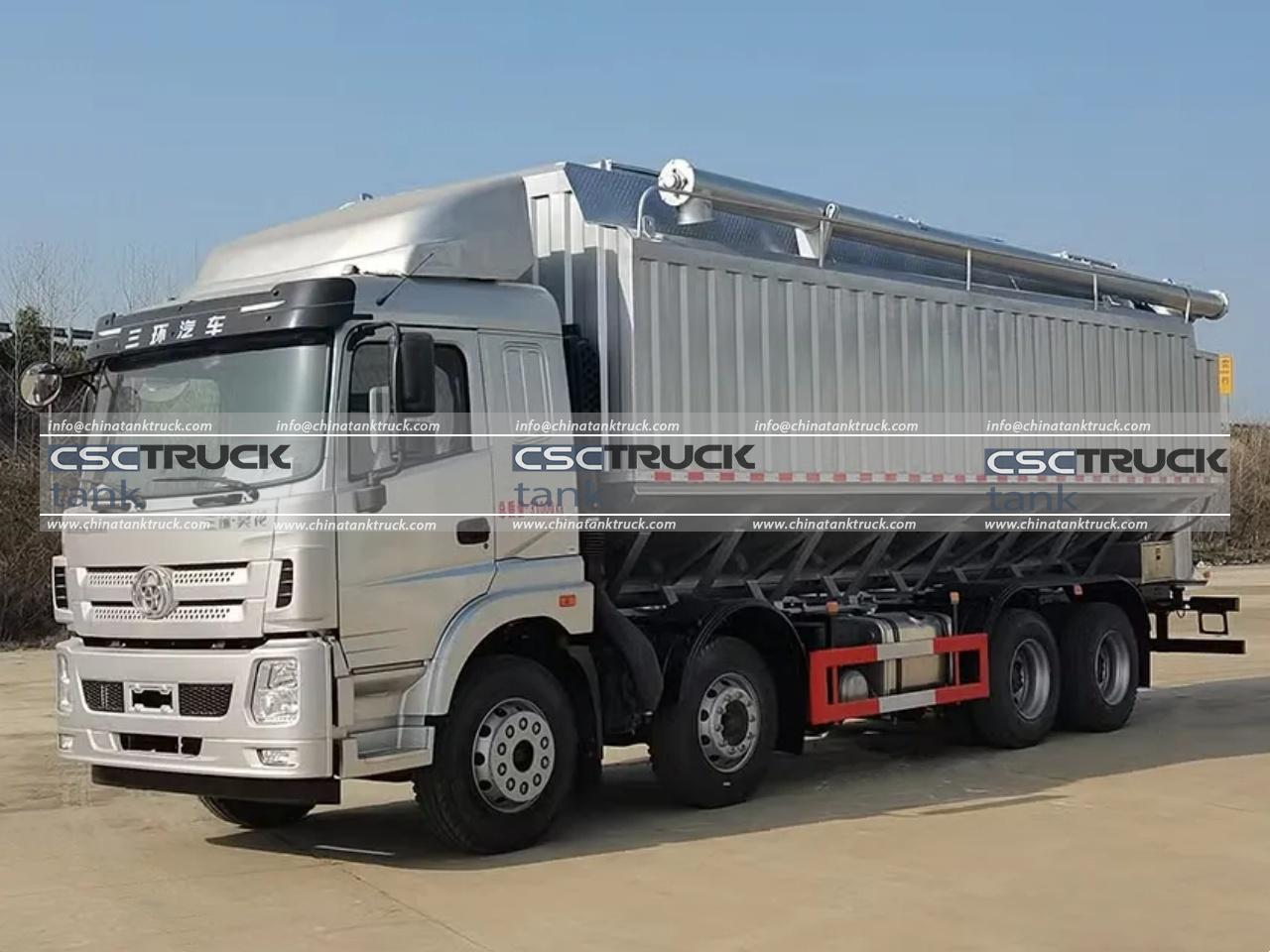
The empty weight of a pneumatic tank truck varies according to its size and construction.
Typical examples include:
- Small 10–15 m³ truck: 8–10 tons
- Medium 20–25 m³ truck: 11–14 tons
- Large 30–35 m³ truck: 13–16 tons
- 40–45 m³ semi-trailer: 8–10 tons (trailer only)
The empty weight includes:
- Chassis
- Bulk tank
- Air compressor
- Diesel engine or PTO drive
- Pipeline system
- Valves
- Suspension
- Tires
- Ladder and walkways
- Safety equipment
The air compressor system alone may add several hundred kilograms, depending on its size and capacity.
Gross Vehicle Weight
The gross vehicle weight depends largely on the axle configuration.
Common examples include:
| Configuration | Typical GVW |
|---|---|
| 4×2 | 18 tons |
| 6×4 | 25 tons |
| 8×4 | 31–35 tons |
| Semi-trailer | 40–49 tons (depending on regulations) |
Different countries have different legal weight limits, so manufacturers design trucks to comply with regional transportation laws.
Payload Capacity
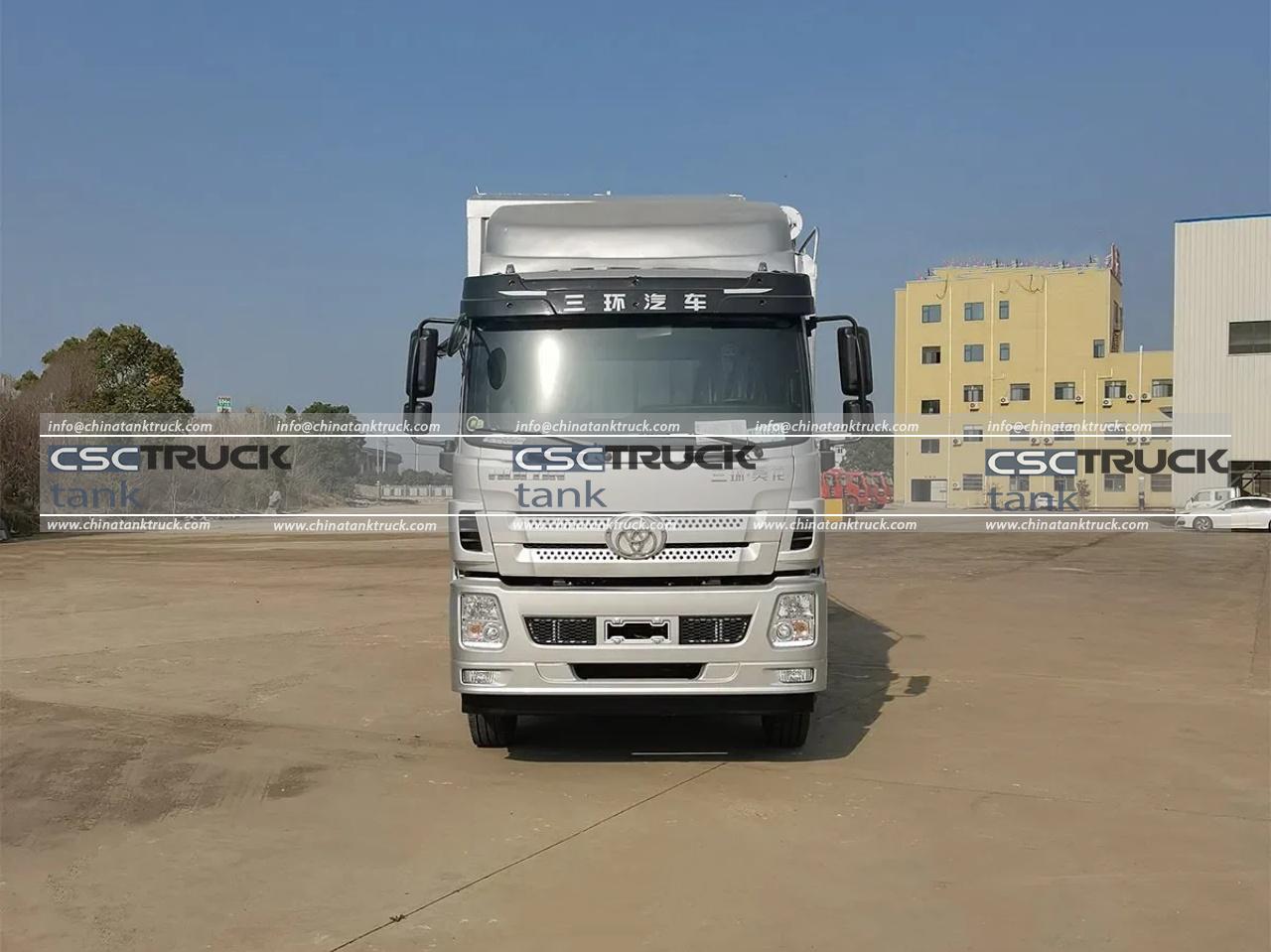
Payload is usually determined by both the truck’s legal weight limit and the density of the material being transported.
Typical payload capacities include:
- 15 m³ tank: 10–12 tons
- 20 m³ tank: 14–18 tons
- 25 m³ tank: 18–22 tons
- 30 m³ tank: 22–28 tons
- 35 m³ tank: 25–30 tons
- 45–60 m³ trailer: 30–40 tons
Materials with lower density, such as flour or plastic pellets, may fill the tank before reaching the maximum legal weight.
Factors That Affect Truck Weight
Several design choices influence the final weight of a pneumatic tank truck.
1. Tank Material
Tank construction has one of the largest impacts on weight.
Carbon Steel
Advantages include:
- Lower cost
- High strength
- Easy repair
Disadvantages include:
- Heavier
- More susceptible to corrosion
Aluminum Alloy
Advantages include:
- Much lighter
- Higher payload
- Better fuel economy
Disadvantages include:
- Higher purchase cost
- More expensive repairs
An aluminum tank may reduce empty weight by 1–2 tons compared to carbon steel.
2. Tank Capacity
Larger tanks naturally weigh more because they require:
- More steel
- Larger support frames
- Larger discharge piping
- Bigger air systems
Approximate tank sizes include:
- 15 m³
- 20 m³
- 25 m³
- 30 m³
- 35 m³
- 40 m³
- 45 m³
- 60 m³
3. Chassis Brand
Different chassis manufacturers use different frame designs and materials.
Common chassis include:
- HOWO
- SHACMAN
- Dongfeng
- FAW
- Foton
- Isuzu
- Mercedes-Benz
- Volvo
- MAN
- Scania
Heavy-duty European chassis often weigh more than comparable Chinese models but may offer higher durability and advanced safety systems.
4. Air Compressor System
The pneumatic unloading system contributes significantly to vehicle weight.
Components include:
- Air compressor
- Diesel auxiliary engine or PTO
- Cooling system
- Air tank
- Valves
- Discharge piping
Larger compressors capable of faster unloading generally weigh more.
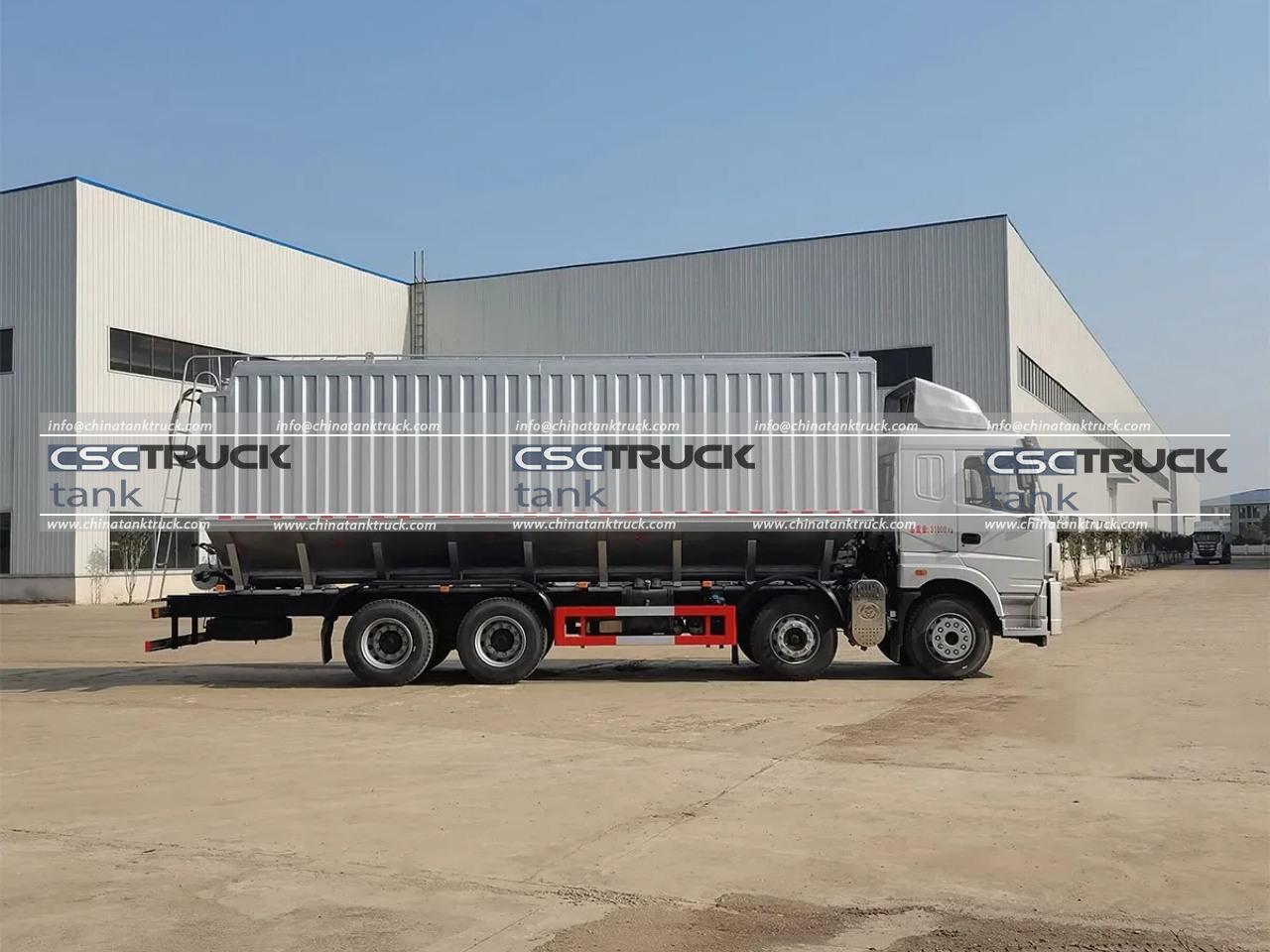
Weight Distribution
Proper weight distribution is critical for:
- Vehicle stability
- Tire life
- Brake performance
- Safe cornering
- Road legality
Manufacturers carefully position:
- Tank supports
- Air compressor
- Fuel tanks
- Toolboxes
- Axles
to balance axle loads.
Typical Weight Examples
Example 1: 20 m³ Pneumatic Tank Truck
- Empty weight: 11 tons
- Payload: 15 tons
- GVW: 26 tons
Suitable for:
- Cement plants
- Construction companies
- Fly ash transport
Example 2: 30 m³ Pneumatic Tank Truck
- Empty weight: 14 tons
- Payload: 22 tons
- GVW: 36 tons
Suitable for:
- Large infrastructure projects
- Dry chemical transportation
- Industrial bulk delivery
Example 3: 45 m³ Pneumatic Semi-Trailer
Trailer:
- Empty weight: 9 tons
With tractor:
- Tractor weight: 8 tons
Combined:
- Empty vehicle: 17 tons
- Payload: 30–35 tons
- Gross combination weight: approximately 47–52 tons, depending on local regulations.
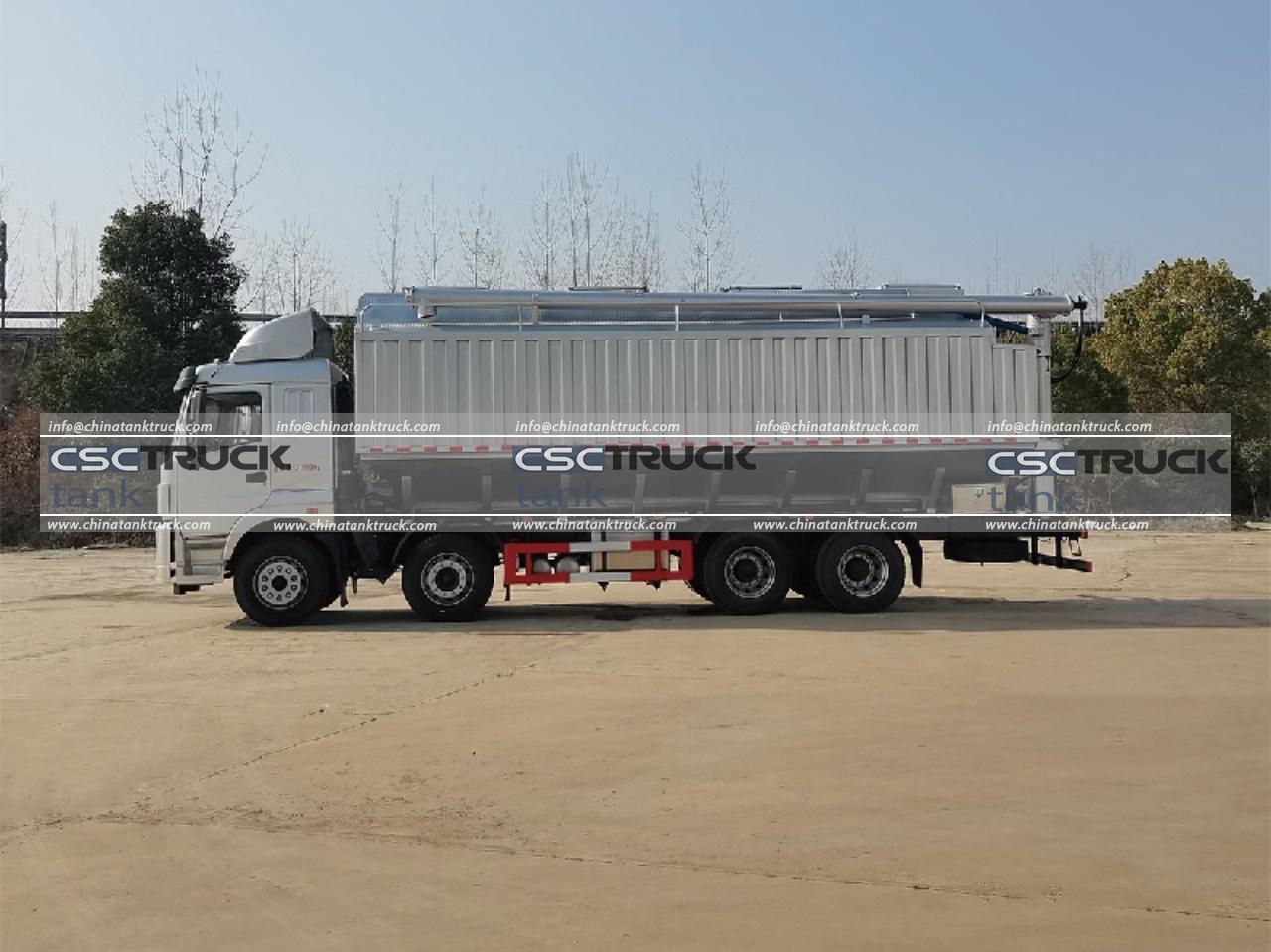
Why Lower Weight Matters
Reducing vehicle weight provides several operational benefits.
Higher Payload
A lighter truck can legally transport more cargo.
For example:
- Heavy truck:
- Empty weight: 15 tons
- GVW limit: 40 tons
- Payload: 25 tons
- Lightweight truck:
- Empty weight: 13 tons
- GVW limit: 40 tons
- Payload: 27 tons
An extra 2 tons per trip can significantly improve fleet productivity.
Better Fuel Economy
Lower vehicle weight reduces:
- Engine load
- Rolling resistance
- Fuel consumption
Over thousands of kilometers annually, these savings can substantially reduce operating costs.
Reduced Tire Wear
Less weight places less stress on:
- Tires
- Suspension
- Bearings
- Brakes
This lowers maintenance expenses and extends component life.
Legal Weight Limits
Transport regulations differ by country.
Typical legal GVW limits include:
- Europe: 40–44 tons
- United States: approximately 36–40 tons for standard highway configurations
- Australia: up to 68 tons for road trains
- China: typically 31–49 tons, depending on axle configuration and regulations
Fleet operators should always verify local laws before purchasing a pneumatic tank truck.
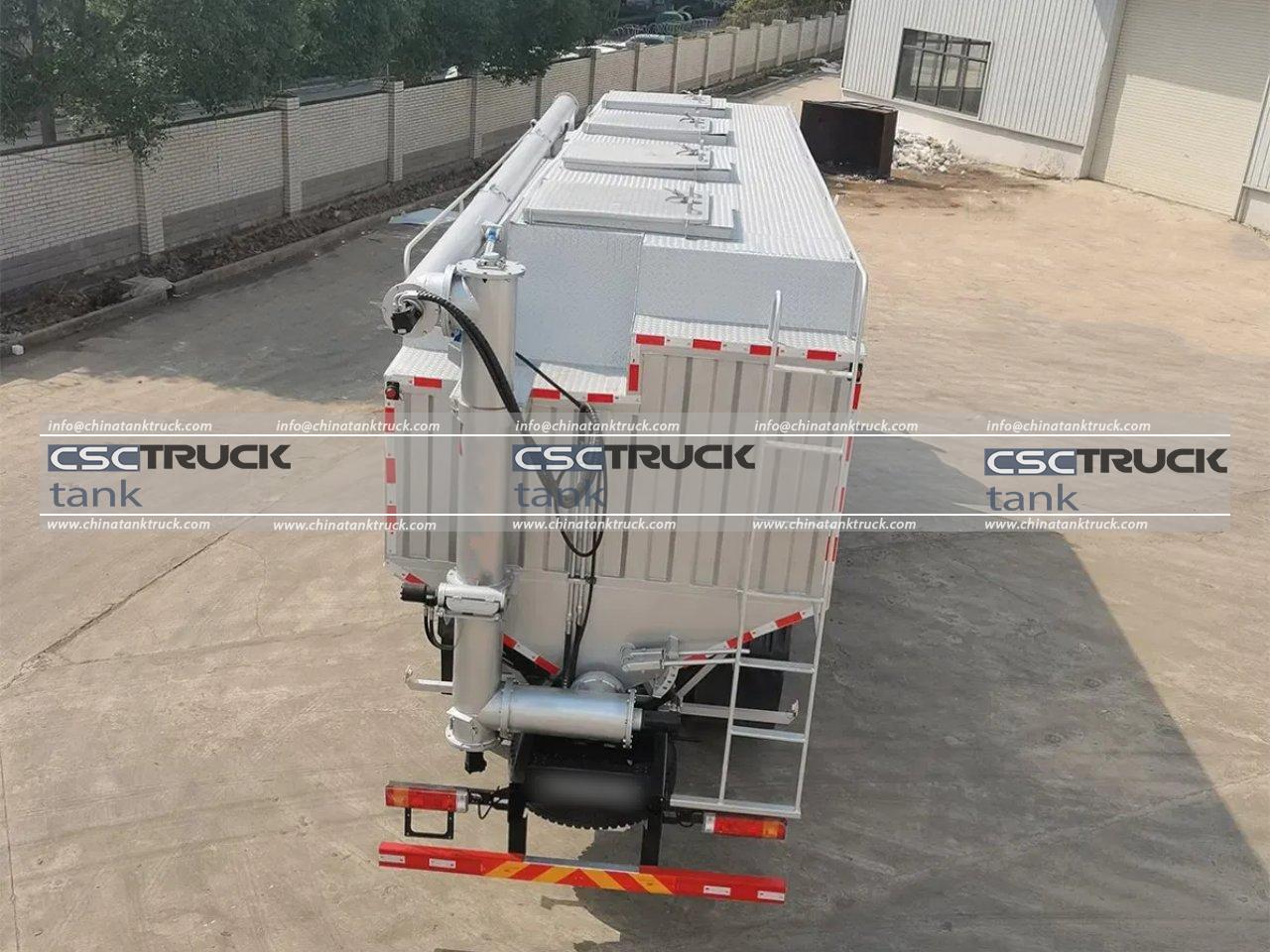
Choosing the Right Weight
Selecting the appropriate truck depends on several operational factors:
- Type of material
- Material density
- Delivery distance
- Road conditions
- Local weight regulations
- Loading facilities
- Customer unloading equipment
Working with an experienced manufacturer helps ensure the truck is optimized for both payload and compliance.
Conclusion
The weight of a pneumatic tank truck depends on its tank size, chassis, construction material, axle configuration, and unloading equipment. Empty weights generally range from 8 to 16 tons, while payload capacities typically range from 10 to 40 tons, depending on the model. Gross vehicle weights usually fall between 18 and 49 tons, subject to local regulations.
Understanding these weight classifications is essential for maximizing payload, improving fuel efficiency, maintaining legal compliance, and extending vehicle service life. Modern manufacturers such as CSCTRUCK China Tank Truck provide a broad selection of pneumatic tank trucks with customizable capacities, lightweight materials, and advanced pneumatic discharge systems, enabling businesses to choose solutions that match their specific transportation requirements while optimizing productivity and long-term operating costs.