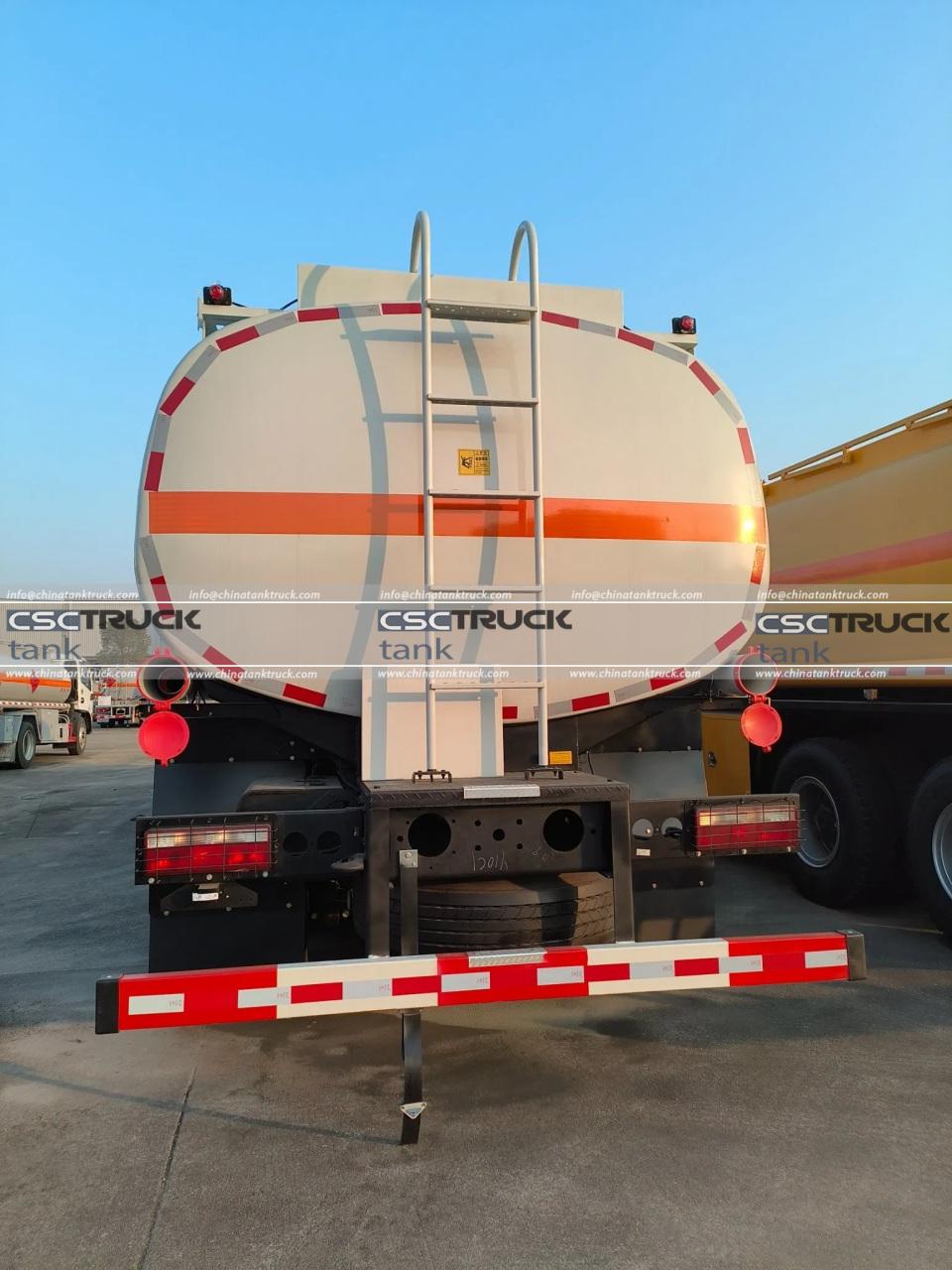

A carbon steel tank truck is a specialized vehicle designed for transporting large volumes of industrial liquids, chemicals, fuels, wastewater, and other heavy-duty cargo that require a robust and durable containment system. Unlike stainless steel or aluminum tanks, which focus on corrosion resistance or lightweight efficiency, a carbon steel tank truck prioritizes strength, impact resistance, and cost-effectiveness, making it a preferred choice for demanding transport environments such as construction sites, mining operations, petroleum distribution, and municipal services. With proper maintenance, carbon steel tanks offer an ideal balance between affordability and rugged performance, especially for non-corrosive or mildly corrosive liquids.
This article explains what a carbon steel tank truck is, explores its heavy-duty transport applications, and provides a comprehensive structural maintenance guide to ensure long service life.
1. Meaning of a Carbon Steel Tank Truck
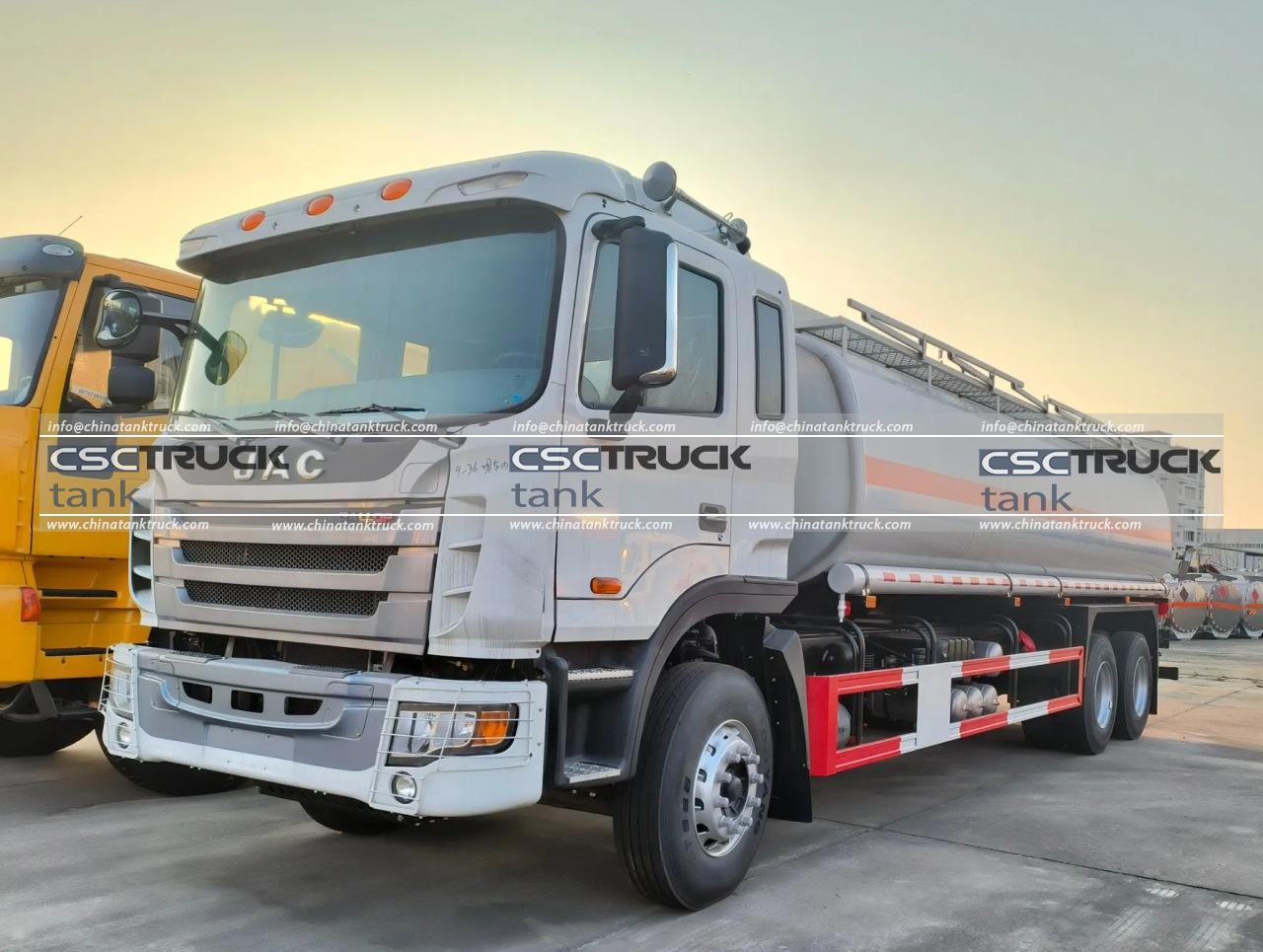
A carbon steel tank truck consists of a heavy-duty chassis—typically from brands like SINOTRUK, Foton, Dongfeng, or Isuzu—equipped with a cargo tank constructed from carbon steel plates. Carbon steel is an alloy primarily made of iron and carbon, with minimal additions of other elements. The result is a metal known for:
- High tensile strength
- Excellent weldability
- Durability in rugged environments
- Cost-effectiveness compared to stainless steel
Tank trucks made from carbon steel often feature plate thicknesses ranging from 5 mm to 12 mm, depending on the cargo, pressure requirements, and tank capacity. The material is particularly suitable for non-corrosive industrial liquids, petroleum products, road construction materials, and municipal waste liquids.
Typical design features include:
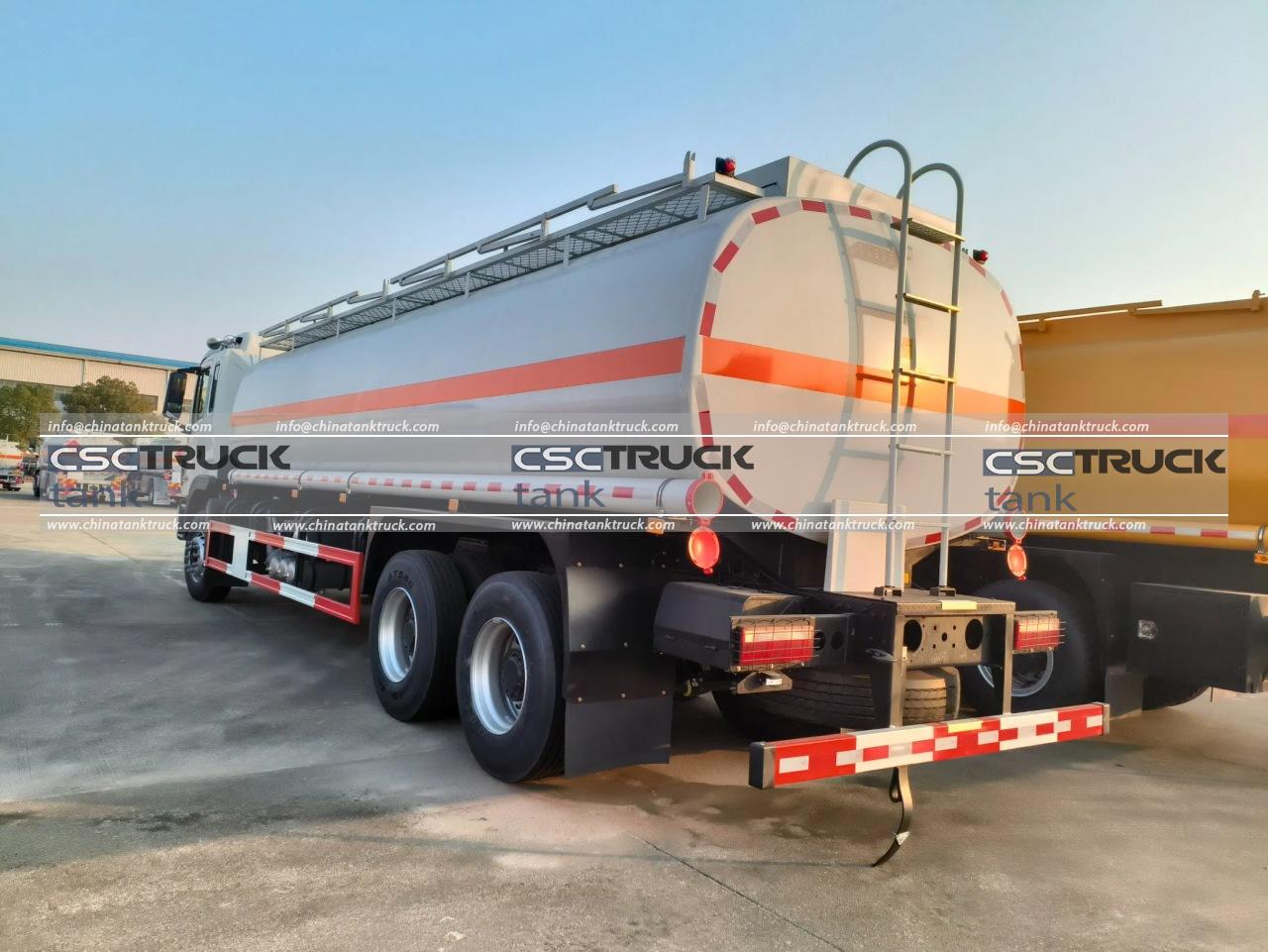
- Cylindrical or elliptical tank shapes
- Multiple compartments for different products
- Manholes, ladders, and top walkways
- Safety valves, pressure relief systems, and baffles
- Discharge pipes and pumps tailored to the cargo
Overall, a carbon steel tank truck is engineered to deliver strength, longevity, and versatility for challenging transport operations.
2. Heavy-Duty Transport Applications of Carbon Steel Tank Trucks
Carbon steel tank trucks serve a wide variety of industries due to their ruggedness and affordability. Below are the most common heavy-duty applications.
2.1 Fuel and Petroleum Product Transport
One of the largest application areas is the transportation of:
- Diesel
- Gasoline
- Kerosene
- Heavy oil
- Lubricants
Carbon steel tanks provide the structural strength needed to carry large fuel volumes safely. They are particularly valued in:
- Long-distance fuel distribution
- Commercial fueling operations
- Depot and refinery-to-station deliveries
Their thick walls reduce the risk of rupture or deformation under highway stresses.
2.2 Bitumen and Asphalt Emulsion Transport
For road construction industries, carbon steel tank trucks are used to carry:
- Hot asphalt
- Bitumen
- Asphalt emulsions
- Road sealing oils
Carbon steel withstands high temperatures and mechanical impacts, making it ideal when paired with heating systems such as diesel burners or thermal oil coils.
2.3 Industrial Water and Waste Liquid Transport
Municipalities and industrial operations frequently use carbon steel tanks for:
- Sewage transport
- Wastewater collection
- Sludge hauling
- Construction water supply
The material handles rough job-site conditions and contact with heavy, sediment-filled liquids.
2.4 Chemical Transport (Non-Corrosive or Mildly Corrosive)
Some industrial chemicals compatible with carbon steel include:
- Certain alcohols
- Oils and lubricants
- Non-corrosive solvents
- Fertilizer solutions
- Brine water
For more corrosive chemicals, special interior coatings or linings (e.g., epoxy) may be applied.
2.5 Agriculture and Mining Applications
In agriculture, carbon steel tank trucks move:
- Liquid fertilizers
- Molasses
- Irrigation water
In mining, they support operations through:
- Dust suppression
- Chemical processing liquids
- Wastewater hauling
Their rugged design allows use on rough terrain and harsh working conditions.
2.6 Firefighting and Emergency Response
Heavy-duty carbon steel tanks are commonly used for:
- Firefighting water tankers
- Foam transport
- Emergency industrial spill response vehicles
Their impact resistance ensures reliability in emergency scenarios.
3. Structural Maintenance Guide for Carbon Steel Tank Trucks
Although carbon steel offers excellent strength and durability, it is more susceptible to corrosion than stainless steel or aluminum. Therefore, a structured maintenance program is critical to ensuring long service life and operational safety.
3.1 Routine Inspection Practices
Regular inspections help detect wear or structural issues early. Key areas include:
- Tank surface: Look for rust, cracks, dents, and coating damage.
- Weld seams: Check for weld fatigue or corrosion.
- Manholes and gaskets: Ensure proper sealing and cleanliness.
- Interior surfaces: Inspect for pitting, scaling, or chemical residue.
- Baffles: Examine for detachment or deformation.
- Pipes and valves: Check for leaks, corrosion, and blockage.
Inspections should be conducted:
- Daily for high-intensity operations
- Weekly for normal operations
- Monthly for interior and structural reviews
3.2 Anti-Corrosion Maintenance Measures
To prolong the lifespan of the tank:
Apply Protective Coatings
- Use epoxy resin, polyurethane, or bituminous coatings depending on cargo type.
- Reapply coatings periodically based on wear and chemical exposure.
Perform Regular Washing
- Clean the interior after each cargo cycle if hauling chemicals or wastewater.
- Wash the exterior frequently, especially after exposure to salt or corrosive environments.
Use Internal Linings When Needed
- Rubber or polymer linings protect against mild corrosive agents.
- Lining integrity must be inspected regularly for cracks or detachment.
3.3 Structural Reinforcement and Repair
Over time, structural components may weaken due to vibration, heavy loads, or corrosion. Maintenance personnel should:
- Weld or reinforce areas showing thinning or cracking.
- Replace heavily corroded plates or components.
- Repair or replace baffles if they loosen or deform.
- Inspect chassis–tank mounting points to avoid instability.
Always use certified welders and appropriate carbon steel consumables to ensure long-term safety.
3.4 Valve, Pump, and Piping System Maintenance
Functional discharge and intake systems are crucial. Maintenance steps include:
- Lubricate valves and inspect rubber seals.
- Check pump performance regularly for flow rate and noise.
- Remove sediment from suction lines.
- Replace worn hoses and gaskets promptly.
For fuel transport trucks, flame arresters and anti-static components must also be inspected and cleaned.
3.5 Pressure and Leak Testing
Conduct periodic:
- Hydrostatic tests to evaluate tank pressure resistance.
- Leak tests to detect micro-cracks or valve failures.
Testing is typically required annually or as mandated by local transport authorities.
Conclusion
A carbon steel tank truck is a durable, versatile, and cost-effective solution for transporting fuel, industrial liquids, wastewater, agricultural fluids, and construction materials. Its strength and rugged design make it indispensable in industries that face demanding operational environments. However, the material’s susceptibility to corrosion requires disciplined structural maintenance, including protective coatings, regular inspections, and careful upkeep of pumps, valves, and piping systems.
With proper care, a carbon steel tank truck offers long service life, reliable performance, and safe transport for a wide range of heavy-duty applications.