
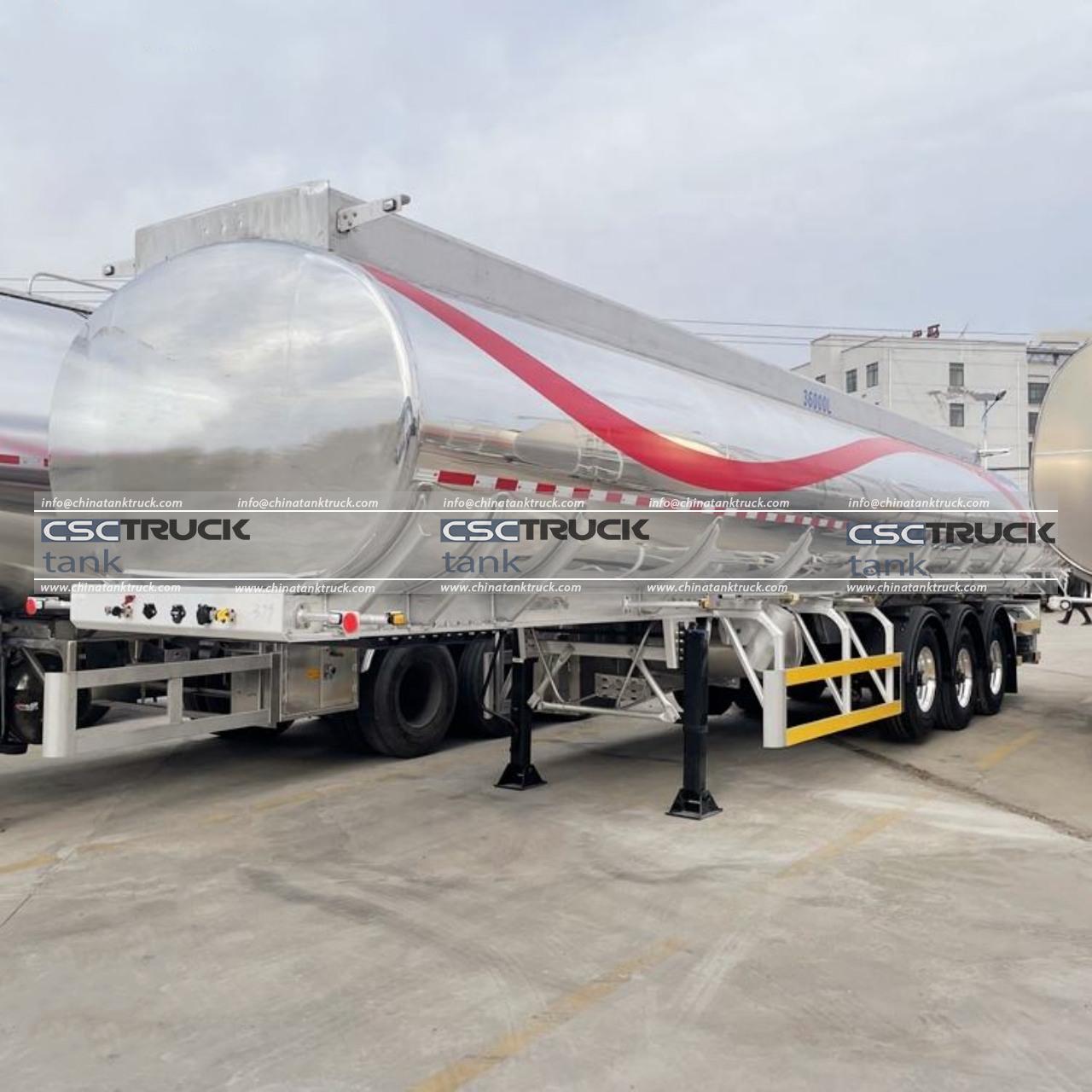
A stainless steel tank trailer is a specialized semi-trailer used for transporting liquid products that require high hygiene, corrosion resistance, and chemical stability. Built using food-grade or chemical-grade stainless steel alloys—most commonly SUS304, SUS316L, or duplex stainless steels—these trailers provide safe containment for a wide range of liquids such as milk, juice, edible oils, pharmaceutical fluids, cosmetic ingredients, corrosive chemicals, and industrial solvents. Their durability, smooth internal walls, rust resistance, and compatibility with sanitary fittings make them indispensable in industries where product purity and contamination control are critical.
Stainless steel tank trailers are engineered with cylindrical, elliptical, or multi-compartment designs, depending on the transport requirements. They are equipped with insulation, heating coils, CIP (Clean-in-Place) systems, pressure relief valves, and hygienic manholes to ensure safe, efficient, and clean liquid handling. Because of their versatility and safety assurance, stainless steel tank trailers are widely used in food processing, beverage manufacturing, chemical production, petrochemical refining, and pharmaceutical transportation.
Definition of a Stainless Steel Tank Trailer
A stainless steel tank trailer is a road-going tanker semi-trailer designed specifically to transport high-purity or chemically reactive liquids in bulk quantities. The tank body is made entirely from stainless steel plates that are welded, polished, and tested to comply with international sanitary and chemical transport standards.
Key characteristics include:
1. Corrosion Resistance
Stainless steel contains chromium and nickel, creating a passive oxide layer that protects the metal from corrosion when in contact with water, acids, alkalis, and organic compounds.
2. Hygienic Surface
The interior of stainless steel tanks is polished to meet sanitary grades such as Ra ≤ 0.8μm, preventing residue buildup and bacterial growth.
3. High-Strength Structure
Stainless steel maintains its mechanical strength at high or low temperatures, making it suitable for hot liquids, refrigerated dairy products, and high-pressure chemical loads.
4. Chemical Inertness
Compared to carbon steel or aluminum, stainless steel is less likely to react with transported liquids, ensuring product purity and preventing contamination.
5. Long Service Life
Stainless steel tank trailers last significantly longer than other tank materials, particularly when used for corrosive or high-value liquids.
Food-Grade Use Cases of Stainless Steel Tank Trailers
The food and beverage industry relies heavily on stainless steel trailers for hygiene-critical fluid transportation. Below are the most common applications:
1. Milk and Dairy Transport
Stainless steel trailers are ideal for raw milk, cream, whey, and yogurt concentrate because they prevent bacterial contamination and maintain thermal stability. Insulated tank walls keep milk at low temperatures during long-distance hauling.
2. Edible Oil and Cooking Oil Shipping
Vegetable oils such as palm oil, soybean oil, sunflower oil, and olive oil require neutral, non-corrosive containers. Stainless steel ensures that oils do not oxidize or absorb a metallic taste.
3. Juice and Beverage Concentrates
Fruit juice, soft drink syrup, and liquid sugar are transported in hygienic stainless steel tanks to avoid spoilage and maintain quality. Heat-insulated tanks prevent crystallization of sugar syrups.
4. Alcohol and Wine Distribution
Breweries, wineries, and distilleries use stainless steel tank trailers because the material does not alter the flavor or chemical composition of alcohol.
5. Pharmaceutical and Nutritional Liquids
High-purity water, glucose solutions, amino acids, and liquid vitamins require sanitary transport conditions that only stainless steel can provide.
6. Liquid Food Ingredients
Transport of molasses, honey, liquid chocolate, vinegar, sauces, and food additives also utilizes stainless steel tanks for hygiene and product preservation.
Chemical Use Cases of Stainless Steel Tank Trailers
Besides food processing, stainless steel tank trailers play an important role in transporting industrial and hazardous chemicals. The chemical compatibility of stainless steel—especially grades like 316L—allows safe containment of many corrosive or reactive substances.
1. Acids and Alkalis (Chemical-Grade Stainless Steel)
Although not suitable for all acids, stainless steel works for many, such as:
- Acetic acid
- Citric acid
- Nitric acid (low concentration)
- Caustic soda (NaOH)
- Potassium hydroxide (KOH)
For strong acids like hydrochloric or sulfuric acid, specialized chemical tank trailers or rubber-lined tanks are preferred.
2. Alcohols and Solvents
Ethanol, methanol, isopropyl alcohol, acetone, and glycol-based liquids are commonly hauled using stainless steel tanks because they do not attack the metal.
3. Cosmetics and Personal-Care Chemicals
Stainless steel is used for fragrances, essential oils, surfactants, glycerin, and cosmetic emulsions that require purity and non-reactive surfaces.
4. Food-Grade Chemical Ingredients
Transport of liquid sweeteners, preservatives, stabilizers, colorants, and food chemicals requires sanitary stainless steel tanks to ensure safety compliance.
5. Water Treatment Chemicals
Transport of chlorine solutions, coagulants, and pH-control chemicals often employs stainless steel tanks for durability.
6. Petrochemicals and Oil Derivatives
Light hydrocarbon liquids, lubricants, and high-purity fuels can be safely transported without contamination.

Sanitary Maintenance Requirements for Stainless Steel Tank Trailers
To maintain product safety, prolong trailer lifespan, and meet strict regulatory standards, proper maintenance of stainless steel tank trailers is crucial. Below are the essential guidelines:
1. Routine Cleaning and CIP Procedures
A Clean-in-Place (CIP) system may be integrated, but manual cleaning is also common.
- Use a warm water rinse to remove residues.
- Apply approved detergents or alkaline cleaners to dissolve fats, oils, or sugar.
- Use acid-based cleaners occasionally to remove mineral deposits.
- Rinse with purified water to eliminate chemical traces.
- Ensure complete drying to avoid microbial growth.
Food transport requires compliance with HACCP, ISO 22000, and sanitary transport regulations.
2. Interior Surface Inspection
The inner tank must be inspected for:
- Weld cracks
- Pitting or corrosion
- Scratches or dents
- Residue buildup
- Unusual odors or discoloration
Polishing may be required to restore sanitary surface roughness.
3. Valve and Seal Maintenance
Valves, gaskets, O-rings, manhole seals, and discharge assemblies must be checked regularly because:
- Worn seals can cause leaks
- Contaminated valves can spoil food-grade products
- Chemical residues can react or polymerize inside fittings
Stainless steel sanitary valves should be lubricated with food-grade lubricants.
4. Heating, Insulation, and Temperature Control
Some liquids require controlled temperature:
- Insulation must be checked for moisture or damage.
- Steam heating or electric heating coils should be tested for efficiency.
- Temperature gauges and sensors must be calibrated.
Proper insulation prevents energy loss and maintains product stability.
5. Exterior Washing and Corrosion Prevention
Although stainless steel resists rust, exterior contaminants like road salt, chemical spills, and moisture can cause:
- Surface staining
- Localized corrosion
- Rust spots in weld areas
Regular washing, passivation treatments, and protective coatings extend lifespan.
6. Pressure and Safety Devices
Chemical-grade stainless steel tank trailers may include:
- Pressure relief valves
- Vacuum valves
- Safety vents
- Overfill protection systems
These must be inspected periodically to comply with ADR, DOT, or UN hazardous material transport standards.

Conclusion
A stainless steel tank trailer is one of the most reliable and versatile liquid transport solutions in the food, chemical, pharmaceutical, and cosmetic industries. Its superior corrosion resistance, sanitary properties, and durability make it essential for maintaining product purity and safety. Whether transporting raw milk, edible oils, alcohol, pharmaceutical fluids, solvents, or industrial chemicals, stainless steel ensures clean, stable, and contamination-free transport. By following strict sanitary maintenance procedures—such as regular cleaning, inspection, valve care, and safety system checks—companies can ensure both regulatory compliance and long-term trailer performance.
