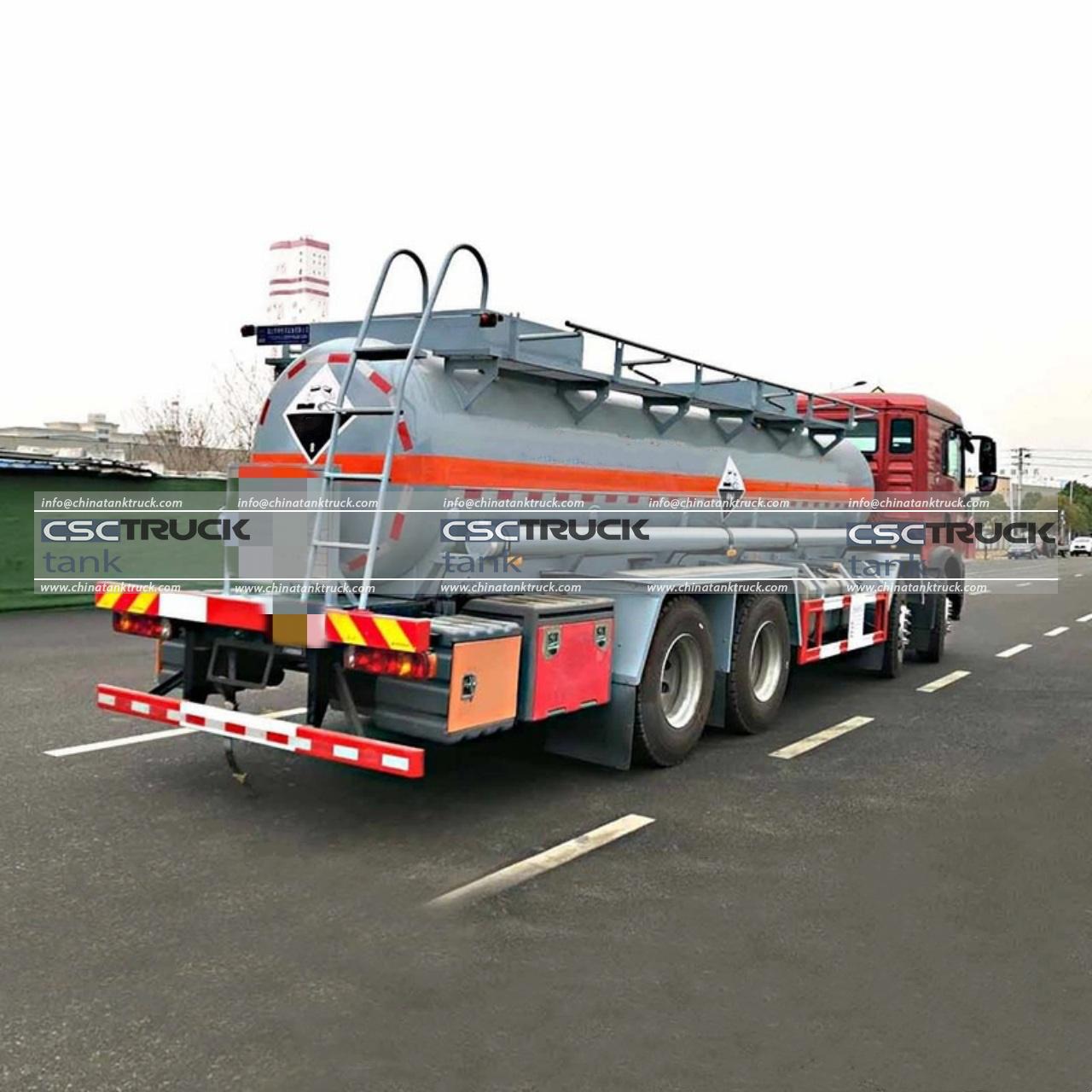

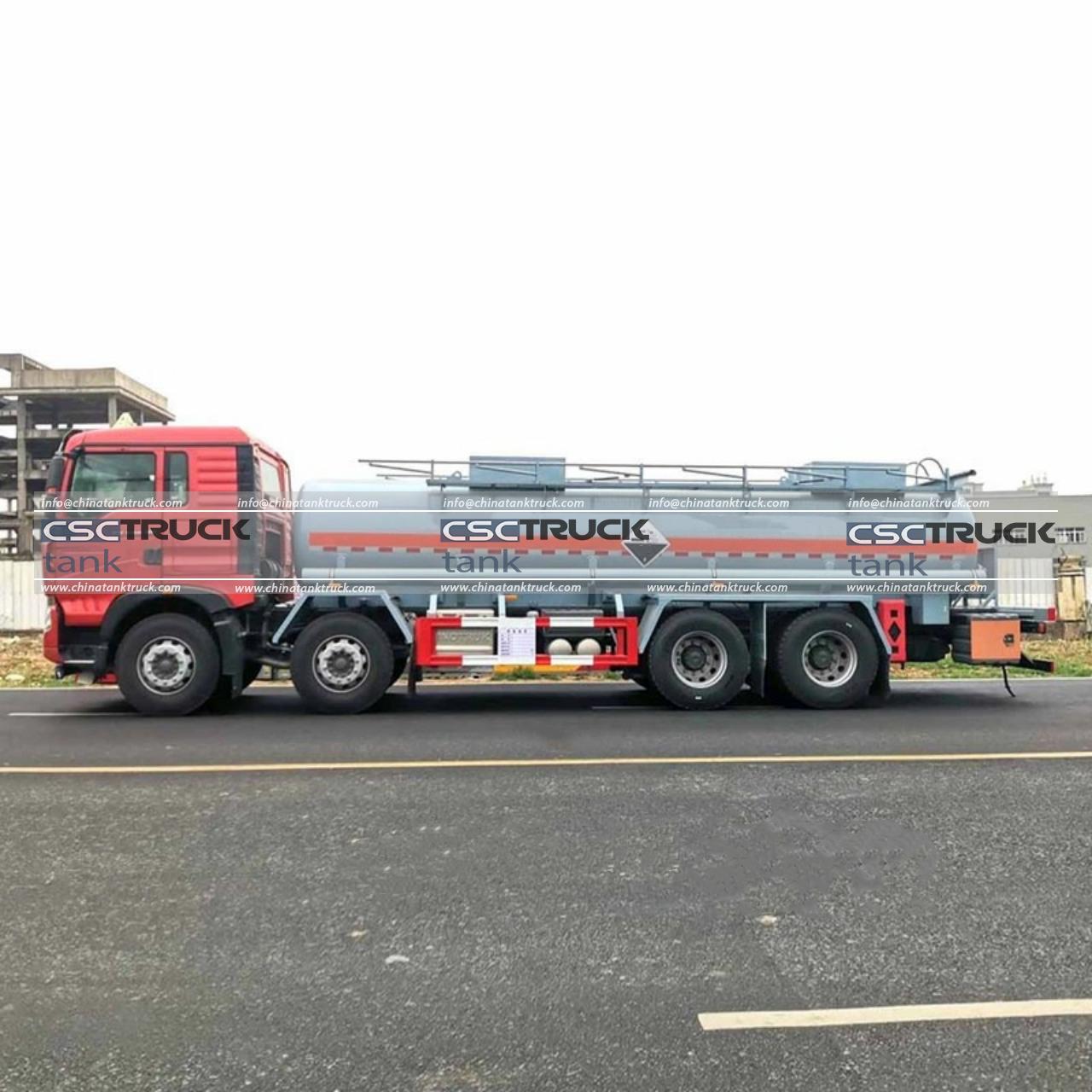
A corrosive tank truck is a specialized road vehicle designed for the safe transport of corrosive substances, including strong acids, alkalis, and other chemically aggressive liquids used in industrial, manufacturing, and wastewater treatment operations. These trucks are engineered with corrosion-resistant tank materials, reinforced sealing systems, chemical-compatible valves, and advanced safety features that allow them to operate in demanding environments where ordinary tank trucks would rapidly degrade. As the global demand for chemicals such as sulfuric acid, hydrochloric acid, sodium hydroxide, and industrial cleaning agents continues to grow, corrosive tank trucks play a vital role in ensuring efficient, compliant, and safe chemical logistics.
This article explains what a corrosive tank truck is, discusses its main applications in acid and alkali transport, and provides essential anti-corrosion maintenance tips to keep the vehicle in safe, long-term service.
1. What Is a Corrosive Tank Truck?
A corrosive tank truck (also known as an acid tank truck, alkali tank truck, or chemical tank truck for corrosive cargo) is a road tanker specifically built to transport hazardous chemicals classified under UN Class 8 – Corrosive Substances. These chemicals can cause severe damage to metals, organic materials, human tissue, and the environment if mishandled. Therefore, the design of corrosive tank trucks focuses on containment strength, chemical compatibility, and safe loading/unloading operations.
1.1 Key Features of a Corrosive Tank Truck
✔ Corrosion-Resistant Tank Materials
Typical tank materials include:
- High-grade stainless steels such as 316L or 304L
- Rubber-lined carbon steel tanks for strong acids
- Special plastic-lined tanks made with PTFE, PP, PVC, or PE for highly aggressive chemicals
- FRP (fiberglass reinforced plastic) tanks for certain alkalis and mild acids
Material selection depends on the chemical’s pH, concentration, reactivity, and operating temperature.
✔ Chemical-Resistant Valves and Piping
All fittings—manholes, valves, gaskets, discharge pipes—must be compatible with transported chemicals. Many trucks use Teflon-lined valves, acid-resistant ball valves, or PVC-lined plumbing.
✔ Reinforced Tank Structure
The tank typically includes:
- Reinforced welds
- Anti-overturn protection
- Multiple compartment options
- Expansion compensation design to handle exothermic reactions or thermal expansion
✔ Safety Systems
- ISO/ADR/DOT chemical transport compliance
- Emergency cut-off valves
- Pressure relief systems
- Grounding cables to prevent static electricity during unloading
- Spill containment and splash shields
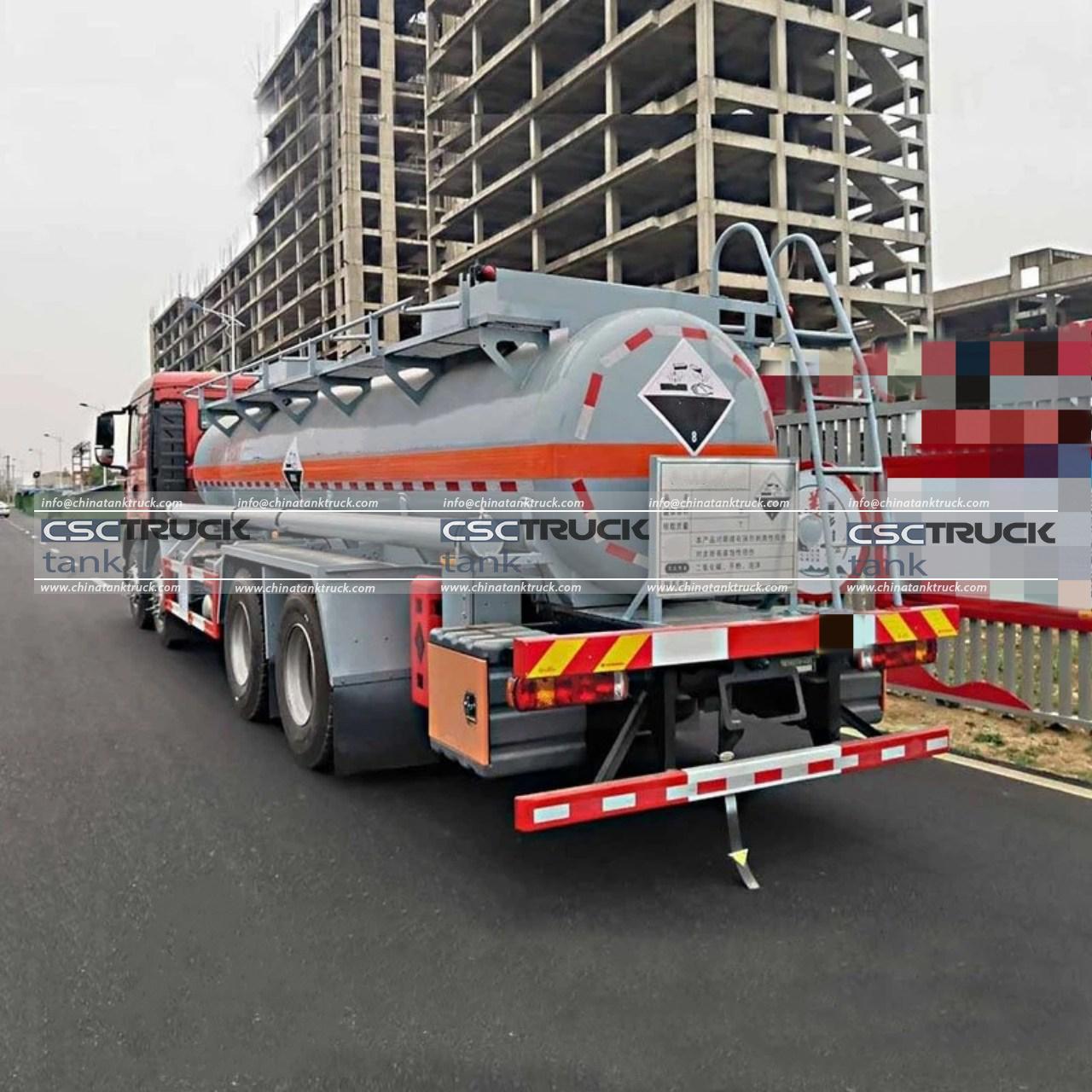
Corrosive tank trucks must adhere to strict safety regulations, including hazardous materials transport certifications, periodic inspections, and labeling requirements such as hazard diamond placards.
2. Acid and Alkali Transport Uses
Corrosive tank trucks are essential across various industries that rely on the continuous supply of corrosive chemicals. Their ability to securely contain and transport high-risk materials makes them indispensable for chemical production, metal processing, pharmaceuticals, food processing, and municipal infrastructure.
2.1 Transport of Acids
Some of the most widely transported acids include:
● Sulfuric Acid (H₂SO₄)
Used in fertilizer production, battery manufacturing, petroleum refining, and metal processing.
● Hydrochloric Acid (HCl)
Used for steel pickling, chemical synthesis, and pH regulation in water treatment.
● Nitric Acid (HNO₃)
Applied in explosives production, metal etching, and fertilizers.
● Acetic Acid
Used in food manufacturing, textiles, and chemical processing.
Acids may require rubber-lined steel, stainless steel, or plastic-lined tanks, depending on concentration and temperature. For example, high-concentration sulfuric acid normally uses carbon steel, while hydrochloric acid requires plastic-lined tanks due to its metal-corroding properties.
2.2 Transport of Alkalis
Common alkalis transported by corrosive tank trucks include:
● Sodium Hydroxide (Caustic Soda, NaOH)
Widely used in paper production, soap manufacturing, and petroleum refining.
● Potassium Hydroxide (KOH)
Used in chemical synthesis, fertilizers, and industrial soaps.
● Ammonium Hydroxide
Used in cleaning agents, food processing, and water treatment.
Alkalis often require stainless steel or FRP tanks, depending on concentration and regulatory requirements.
2.3 Industrial Applications of Corrosive Chemical Transport
Corrosive tank trucks serve many sectors:
- Chemical production plants – raw chemical delivery and product distribution
- Pulp and paper mills – supply of bleaching agents and alkalis
- Metal finishing and galvanizing plants – acids for surface treatment
- Refineries and petrochemical plants – catalysts, pH control agents
- Food processing – food-grade acid delivery
- Municipal water treatment – disinfectants and pH balancing chemicals
- Wastewater treatment plants – neutralization agents and process chemicals
Reliable corrosive chemical transport ensures operational continuity and regulatory compliance across these industries.
3. Anti-Corrosion Maintenance Tips
Keeping a corrosive tank truck in optimal condition requires rigorous, consistent maintenance. The tank, fittings, lining, and exterior surfaces must be inspected regularly to prevent deterioration that could lead to leaks, contamination, or catastrophic failure.
3.1 Regular Internal Tank Inspection
Internal inspections should occur before and after each trip, especially when transporting highly corrosive cargo.
Key tasks include:
- Inspecting tank lining for cracks, blistering, or peeling
- Examining weld seams for corrosion or pitting
- Checking for residue buildup
- Using endoscopic inspection tools for hard-to-reach areas
Early detection prevents severe structural damage.
3.2 Proper Cleaning After Unloading
Chemical residues can continue corroding the tank. Follow these cleaning best practices:
- Clean immediately after unloading
- Use chemical-compatible cleaning agents
- Rinse thoroughly with neutralizing solutions when required
- For acids: Use alkaline neutralizers
- For alkalis: Use mild acidic neutralizers
- Ensure the tank is fully dried to avoid moisture-driven corrosion
Some operations require steam cleaning or mechanical washing systems.
3.3 Maintain Valves, Seals, and Gaskets
These components endure the most chemical contact. Regularly:
- Replace seals and gaskets showing swelling, hardening, or cracks
- Check valve operation for stiffness or leaks
- Ensure Teflon-lined or rubber-lined components remain intact
Faulty valves are among the top causes of chemical transport incidents, so proactive maintenance is essential.
3.4 Exterior Anti-Corrosion Protection
Even the truck’s exterior can suffer corrosion from splashes or fumes. Maintenance includes:
- Quick cleaning after accidental spills
- Touch-up painting on chipped or scratched areas
- Protective coatings on exposed steel
- Regular chassis washing, especially in humid or coastal regions
This prolongs vehicle service life and prevents structural weakening.
3.5 Tank Lining Repair and Replacement
Rubber or plastic linings degrade over the years of exposure to chemicals. Professional inspection should assess:
- Lining hardness
- Thickness (ultrasonic testing)
- Adhesion strength
- Chemical penetration marks
Repair or reline the tank when necessary to prevent catastrophic corrosion.
3.6 Regulatory Inspections and Compliance
Ensure periodic inspections as required by:
- DOT/ADR/UN standards
- Local hazardous materials regulations
- Pressure vessel and tank certification guidelines
Compliance improves safety and prevents operating shutdowns.
Conclusion
A corrosive tank truck is an essential asset for industries that handle acids, alkalis, and other corrosive materials. Designed with corrosion-resistant materials, reinforced fittings, and advanced safety systems, these trucks ensure safe, efficient transport of some of the most chemically aggressive substances used in modern industry. Their applications span chemical manufacturing, petrochemical processing, metal finishing, water treatment, and many other fields that depend on reliable chemical logistics.
Proper anti-corrosion maintenance—such as internal inspections, timely cleaning, valve upkeep, lining protection, and compliance checks—is vital to extend the life of the tank, reduce operational risks, and ensure the safety of personnel and the environment.