
Introduction
Efficient aircraft refueling is one of the most important elements of airport ground operations. Every minute an aircraft spends on the ground affects airline schedules, airport capacity, and operating costs. An aviation refueler must therefore deliver fuel quickly, accurately, and safely while maintaining strict compliance with aviation fueling standards. Improving refueling efficiency not only reduces aircraft turnaround time but also minimizes fuel losses, lowers maintenance costs, and enhances operational safety.
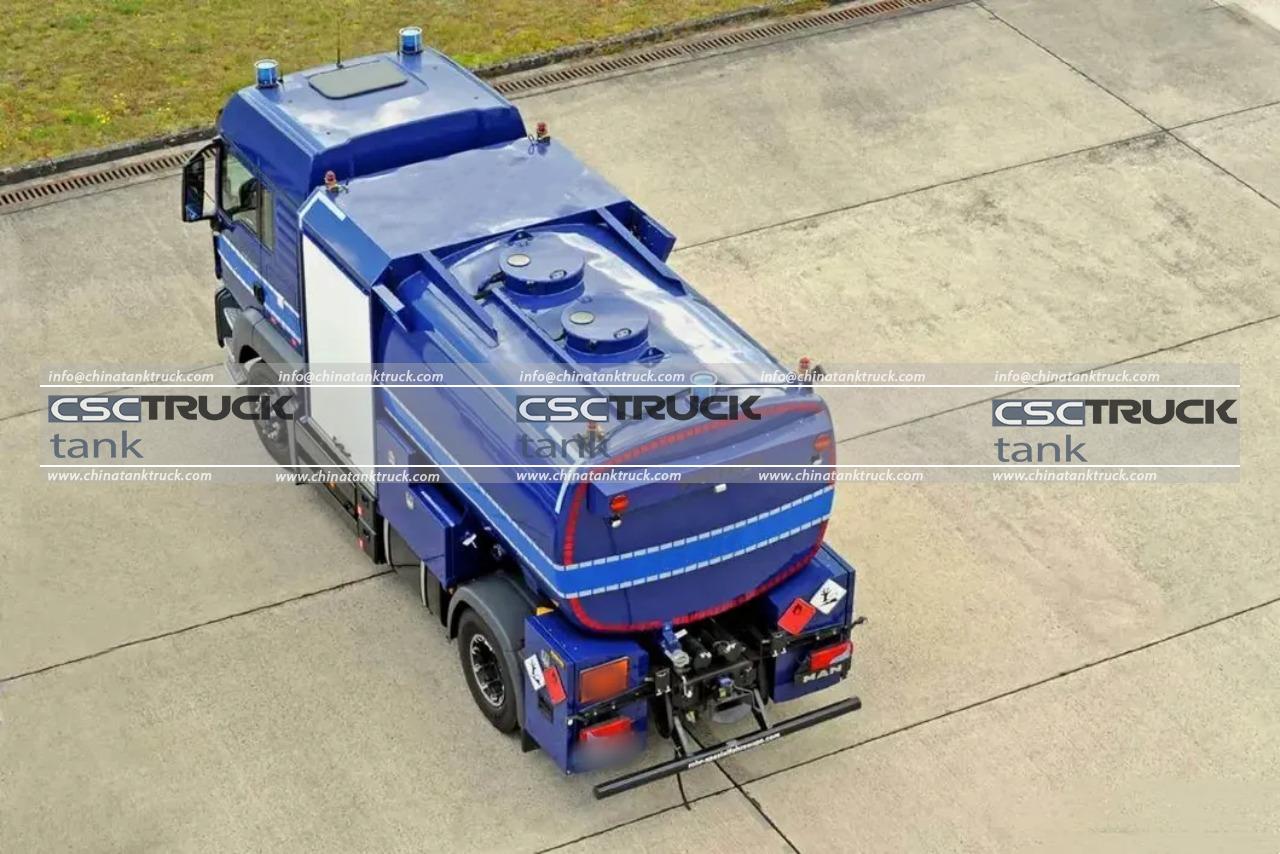
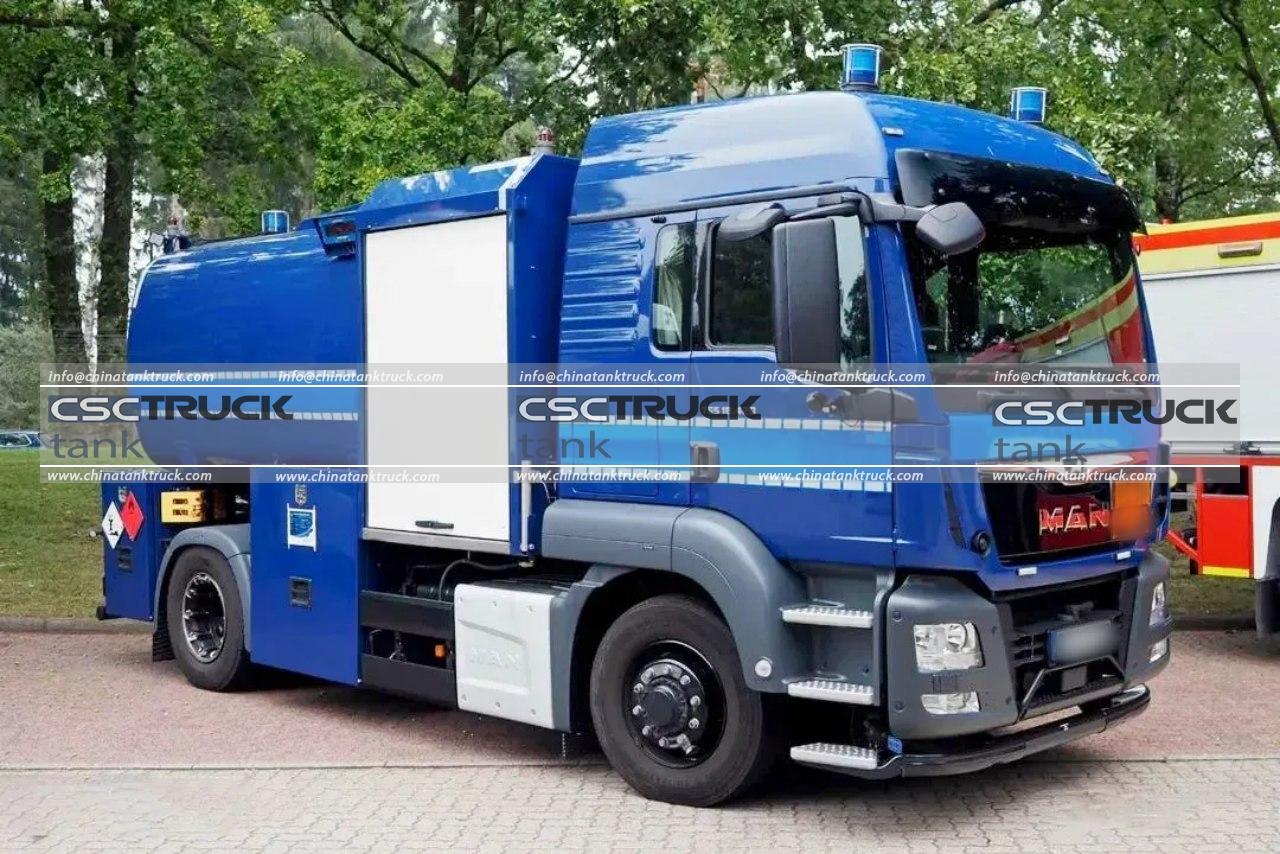
As a professional manufacturer of aviation refueling equipment, CSCTRUCK China Tank Truck has been providing high-quality airport fuel trucks and aviation refuelers for customers worldwide since 2005. The company manufactures a complete range of aircraft refueling vehicles, from compact 4,000-liter airport refuelers to heavy-duty 25,000-liter aviation fuel trucks and high-capacity refueler trailers. Their products feature advanced filtration systems, accurate fuel metering, aluminum alloy tanks, and customizable configurations designed to meet the operational needs of commercial airports, military airbases, and private aviation facilities.
Here are 10 practical tips that can significantly improve the efficiency of an aviation refueler.
1. Perform Daily Preventive Inspections
Efficiency begins before the vehicle leaves the fuel depot. A thorough daily inspection helps identify minor issues before they become costly breakdowns.
Operators should inspect:
- Fuel pumps
- Hose reels
- Nozzles
- Fuel filters
- Tire pressure
- Hydraulic systems
- Emergency shutdown devices
- Lighting and warning systems
Routine inspections reduce unexpected downtime and keep the refueler operating at peak performance.
2. Keep Fuel Filtration Systems Clean
Aircraft engines require exceptionally clean fuel. Aviation refuelers rely on high-performance filtration systems to remove water and contaminants.
However, clogged filters restrict fuel flow and increase refueling time.
To maintain maximum efficiency:
- Replace filter elements on schedule.
- Monitor differential pressure indicators.
- Drain water separators regularly.
- Use genuine replacement filters.
Clean filtration systems maintain optimal flow rates while ensuring fuel quality.
3. Optimize Refueling Routes
Large airports often require refuelers to travel considerable distances between fuel farms and aircraft parking positions.
Efficient route planning can significantly reduce:
- Travel time
- Fuel consumption
- Operator fatigue
- Aircraft waiting time
Many airports now integrate GPS fleet management systems that help dispatchers assign the nearest available refueler to each aircraft.
4. Choose the Right Tank Capacity
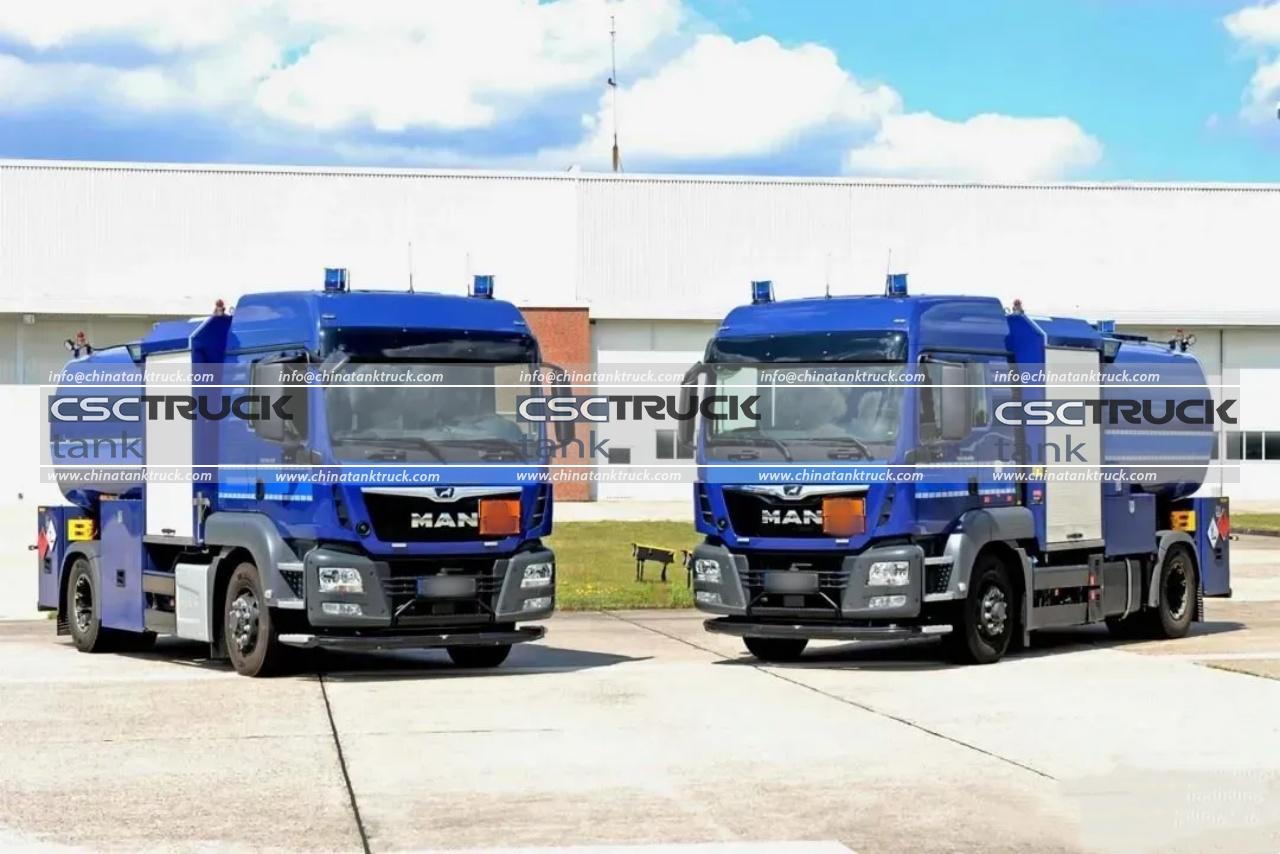
Selecting the appropriate aviation refueler size improves productivity.
For example:
- 4,000–5,000L refuelers are ideal for regional airports and business jets.
- 10,000–15,000L models suit medium-sized commercial airports.
- 20,000–25,000L refuelers efficiently serve wide-body passenger aircraft.
- 50,000L refueler trailers support airport fuel farms and high-volume operations.
Using a vehicle with insufficient capacity results in unnecessary return trips for refilling.
5. Utilize High-Flow Fuel Pumps
One of the biggest contributors to refueling efficiency is pump performance.
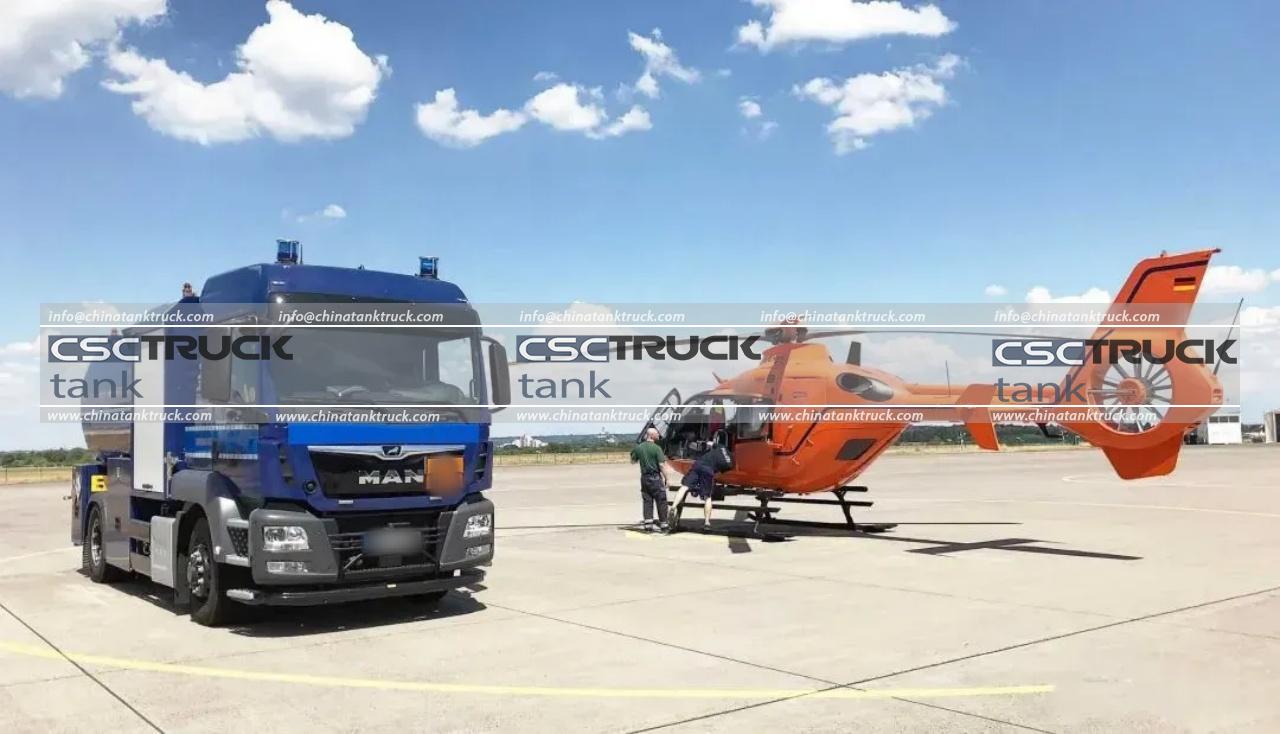
Modern aviation refuelers are available with high-flow pumping systems capable of delivering up to 1,200 liters per minute, greatly reducing fueling times for large aircraft. Advanced pressure-control systems also maintain stable fuel delivery while protecting sensitive aircraft fuel systems.
When selecting or upgrading an aviation refueler, prioritize:
- High-capacity centrifugal pumps
- Accurate flow meters
- Stable pressure regulators
- Reliable hydraulic pump drives
6. Train Operators Regularly
Even the most advanced refueler cannot perform efficiently without skilled operators.
Regular training improves:
- Refueling speed
- Safety awareness
- Equipment handling
- Emergency response
- Fuel quality management
Experienced operators can complete fueling procedures more quickly while avoiding costly mistakes such as hose damage, overfilling, or contamination.
Annual refresher courses help maintain consistent operating standards.
7. Monitor Fuel Meter Calibration
Accurate fuel measurement is essential for both operational efficiency and customer confidence.
An incorrectly calibrated flow meter may lead to:
- Billing errors
- Fuel inventory discrepancies
- Longer fueling times due to repeated measurements
Routine calibration ensures:
- Accurate fuel delivery
- Regulatory compliance
- Better inventory management
- Reduced operational disputes
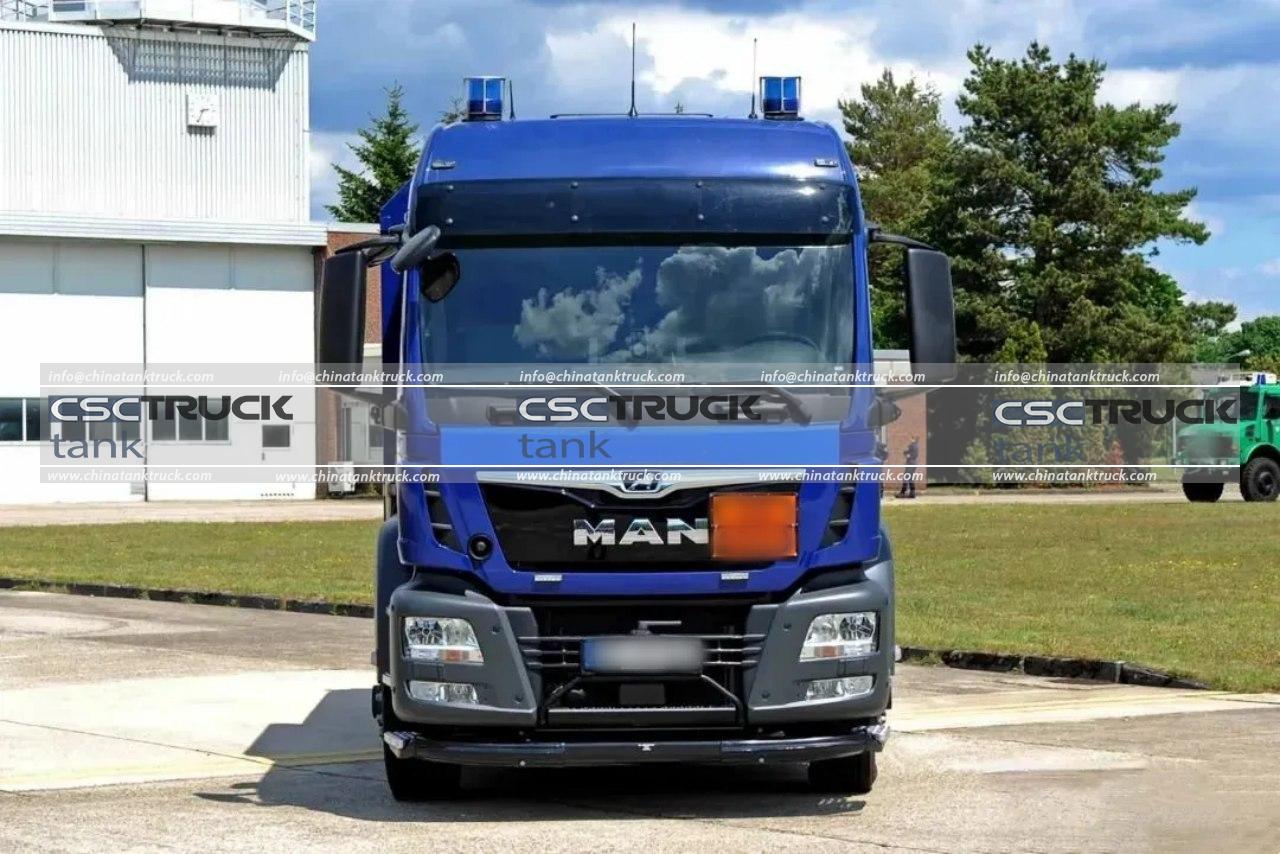
High-precision metering systems are standard on many modern aviation refuelers.
8. Reduce Vehicle Weight Where Possible
Vehicle weight directly affects:
- Fuel consumption
- Acceleration
- Tire wear
- Braking distance
Many modern aviation refuelers use aluminum alloy tanks instead of traditional steel tanks.
Advantages include:
- Lower overall vehicle weight
- Better corrosion resistance
- Increased payload capacity
- Improved fuel economy
A lighter vehicle also reduces wear on the chassis and suspension, lowering long-term maintenance costs.
9. Schedule Predictive Maintenance
Rather than waiting for equipment failures, predictive maintenance uses operating data to identify components approaching the end of their service life.
Key components include:
- Fuel pumps
- Hydraulic motors
- Bearings
- Hoses
- Valves
- Flow meters
Maintenance software can track operating hours and automatically schedule servicing before failures occur.
This approach minimizes unexpected downtime and maximizes equipment availability.
10. Invest in Modern Aviation Refuelers
Older equipment often lacks the efficiency, safety, and automation of newer models.
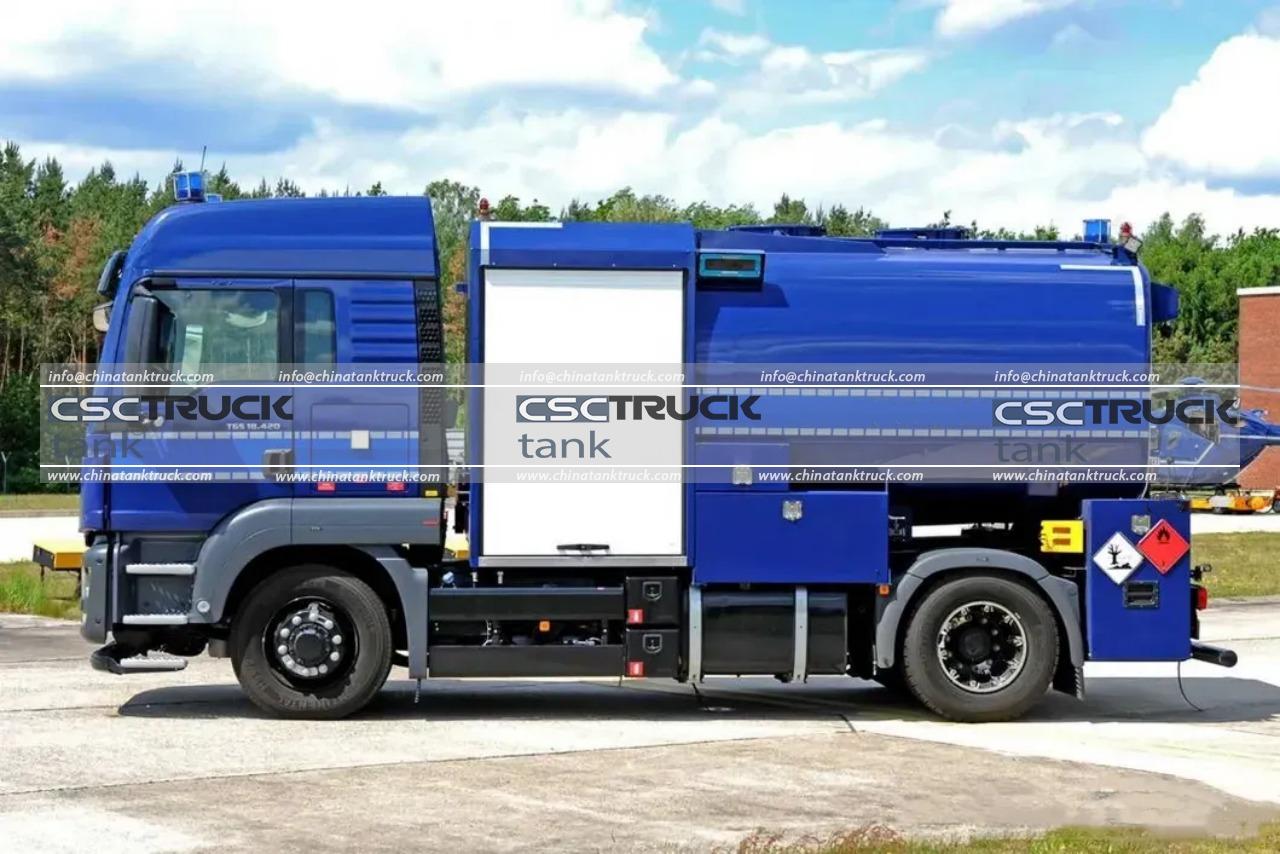
Modern aviation refuelers typically include:
- Electronic fuel metering
- Automatic pressure control
- High-efficiency filtration
- Ergonomic operator controls
- Emergency shutdown systems
- Static grounding protection
- Digital monitoring displays
These technologies reduce manual operations, improve accuracy, and shorten aircraft turnaround times.
Manufacturers such as CSCTRUCK China Tank Truck offer customizable aviation refuelers with capacities ranging from compact airport service vehicles to high-capacity commercial airport refueling trucks. Depending on operational requirements, customers can select different chassis brands, aluminum alloy tanks, high-flow fueling systems, and specialized aviation fueling equipment designed to improve productivity and long-term reliability.
Conclusion
Improving the efficiency of an aviation refueler involves far more than increasing pump speed. It requires a combination of preventive maintenance, operator training, optimized routing, accurate fuel measurement, and investment in modern fueling technology. Every improvement contributes to faster aircraft turnaround, lower operating costs, enhanced fuel quality, and safer airport operations.
For airports, fuel service providers, and ground handling companies, selecting a high-quality aviation refueler from a trusted manufacturer is a long-term investment. With decades of manufacturing experience, customizable solutions, and a comprehensive range of airport fuel trucks, CSCTRUCK China Tank Truck continues to provide reliable aviation refueling equipment that helps operators achieve greater efficiency, safety, and productivity in today’s demanding aviation industry.