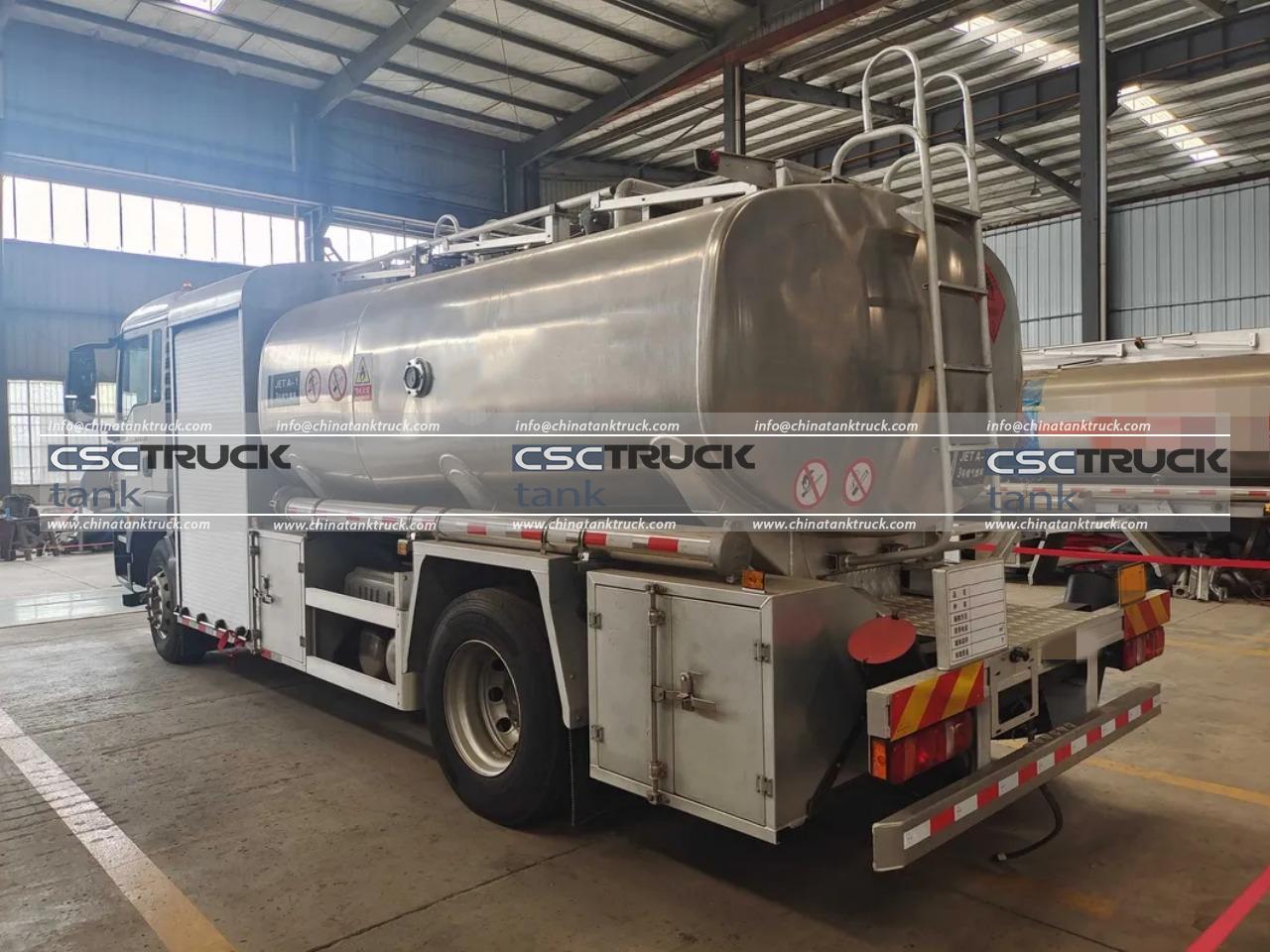
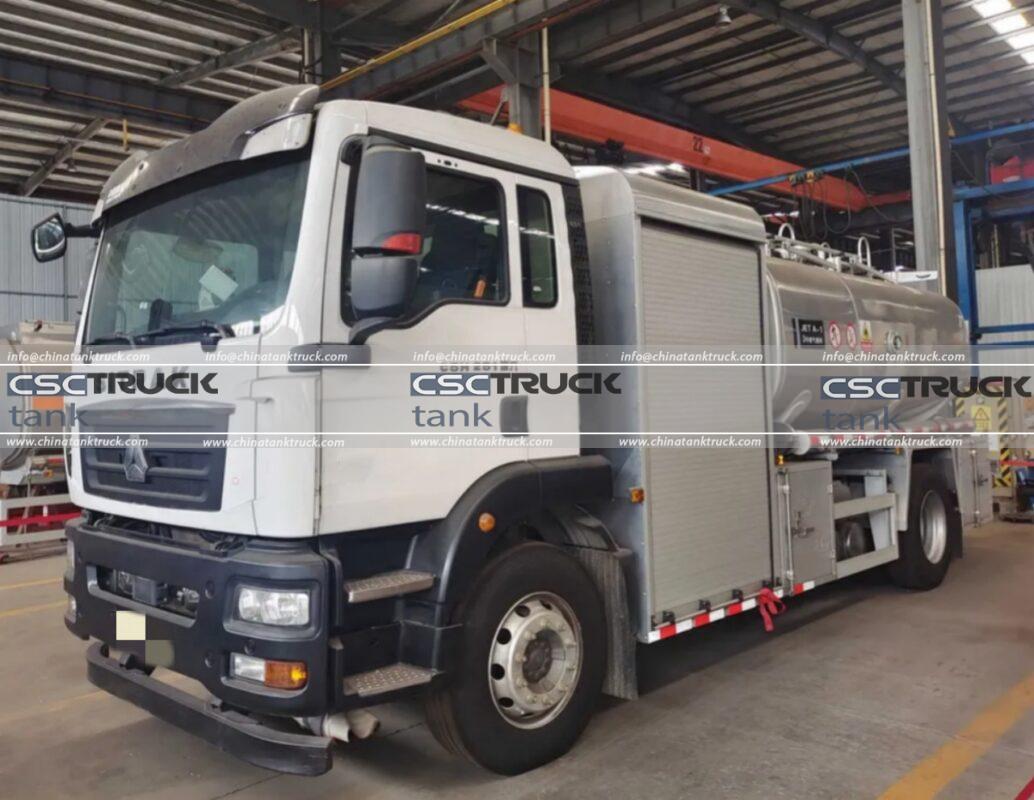
Aircraft refueling equipment plays a critical role in airport ground operations. Aviation refuelers must deliver fuel safely, efficiently, and accurately while operating under demanding conditions. Because these vehicles and their fueling systems can represent a significant investment, proper maintenance is essential for maximizing service life, reducing unexpected downtime, and maintaining reliable fueling performance.
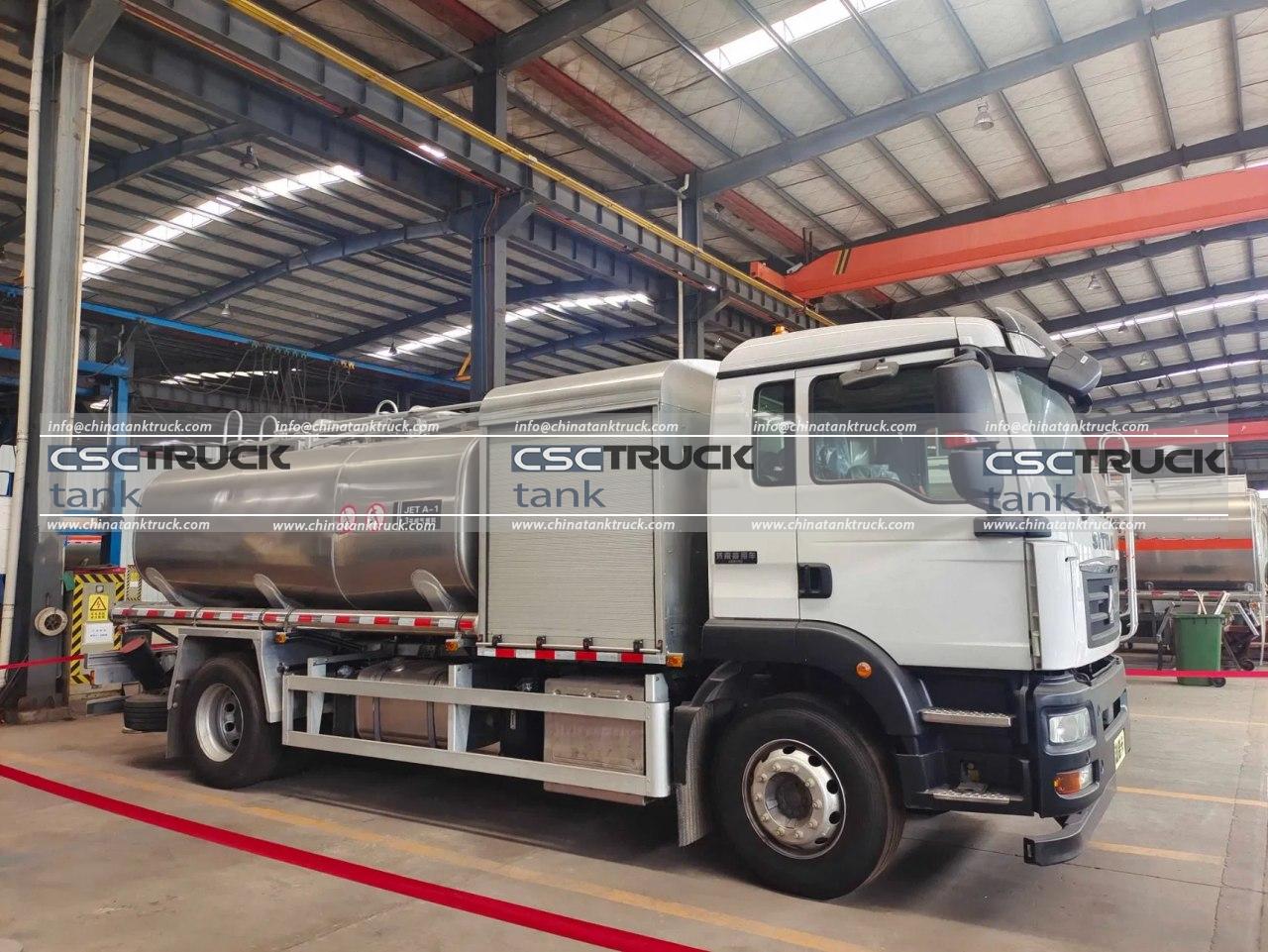
CSCTRUCK China Tank Truck is a professional manufacturer and exporter specializing in tank trucks, trailers, and specialized liquid and gas transportation equipment. Its product range includes fuel tank trucks and aviation refuelers, including models such as 12,000-liter Jet A1 aircraft refuelers and 18,000-liter Jet A1 refuelers. CSCTRUCK China Tank Truck combines manufacturing, research and development, quality control, and after-sales support to provide customized tank transportation solutions for international customers.
For airport operators, fuel service companies, and fleet managers, choosing reliable equipment is only the first step. The following ten tips can help extend the lifespan of aircraft refueling equipment and keep it operating safely and efficiently.
1. Follow a Preventive Maintenance Schedule
One of the most effective ways to extend equipment life is to perform preventive maintenance instead of waiting for components to fail. Aircraft refueling equipment contains many mechanical, hydraulic, electrical, and fuel-handling components that gradually wear during normal operation.
Create a maintenance schedule based on operating hours, mileage, fueling cycles, and manufacturer recommendations. Regularly inspect the engine, transmission, pump, valves, hoses, filters, meters, grounding systems, and other critical components.
Preventive maintenance allows small problems to be identified before they develop into expensive failures. A worn seal, loose connection, or damaged hose is much easier and less costly to replace than a major system damaged by prolonged neglect.
2. Keep the Fuel System Clean
Fuel cleanliness is extremely important in aviation refueling operations. Contaminants such as dirt, dust, water, rust, and other particles can damage pumps, valves, meters, filters, and aircraft fuel systems.
Regularly inspect and replace fuel filters according to the equipment manufacturer’s recommendations. Drain accumulated water and contaminants from appropriate filtration and separation systems, and keep tank openings securely closed when the equipment is not being serviced.
The interior of the fuel tank should also be inspected periodically for corrosion, sediment, or other contamination. Maintaining a clean fuel system not only protects the aircraft but also reduces wear on the refueling equipment itself.
3. Inspect Hoses and Couplings Regularly
Refueling hoses are exposed to repeated bending, pressure, fuel contact, weather, and mechanical stress. Over time, they can develop cracks, abrasions, hardening, leaks, or other forms of deterioration.
Before the operation, operators should visually inspect hoses, nozzles, couplings, and connection points. Pay particular attention to areas that experience frequent bending or contact with the vehicle.
Damaged hoses should be replaced promptly rather than temporarily repaired in a way that compromises safety. Couplings and seals should also be checked for proper condition and secure connections.
Routine hose inspection helps prevent leaks, protects fuel quality, and reduces the risk of larger equipment failures.
4. Maintain Pumps and Valves Properly
The pump is one of the most important components of an aircraft refueling system. Continuous operation under load can gradually cause wear to pump components, bearings, seals, and related parts.
Operators should monitor pump performance and watch for unusual noise, vibration, pressure changes, or reduced flow rates. These symptoms may indicate wear or an emerging mechanical problem.
Valves should also operate smoothly and completely. Stiff, leaking, or damaged valves should be inspected and serviced immediately. Using components within their specified operating limits helps prevent unnecessary stress and extends the life of the entire fuel delivery system.
5. Protect the Equipment from Corrosion
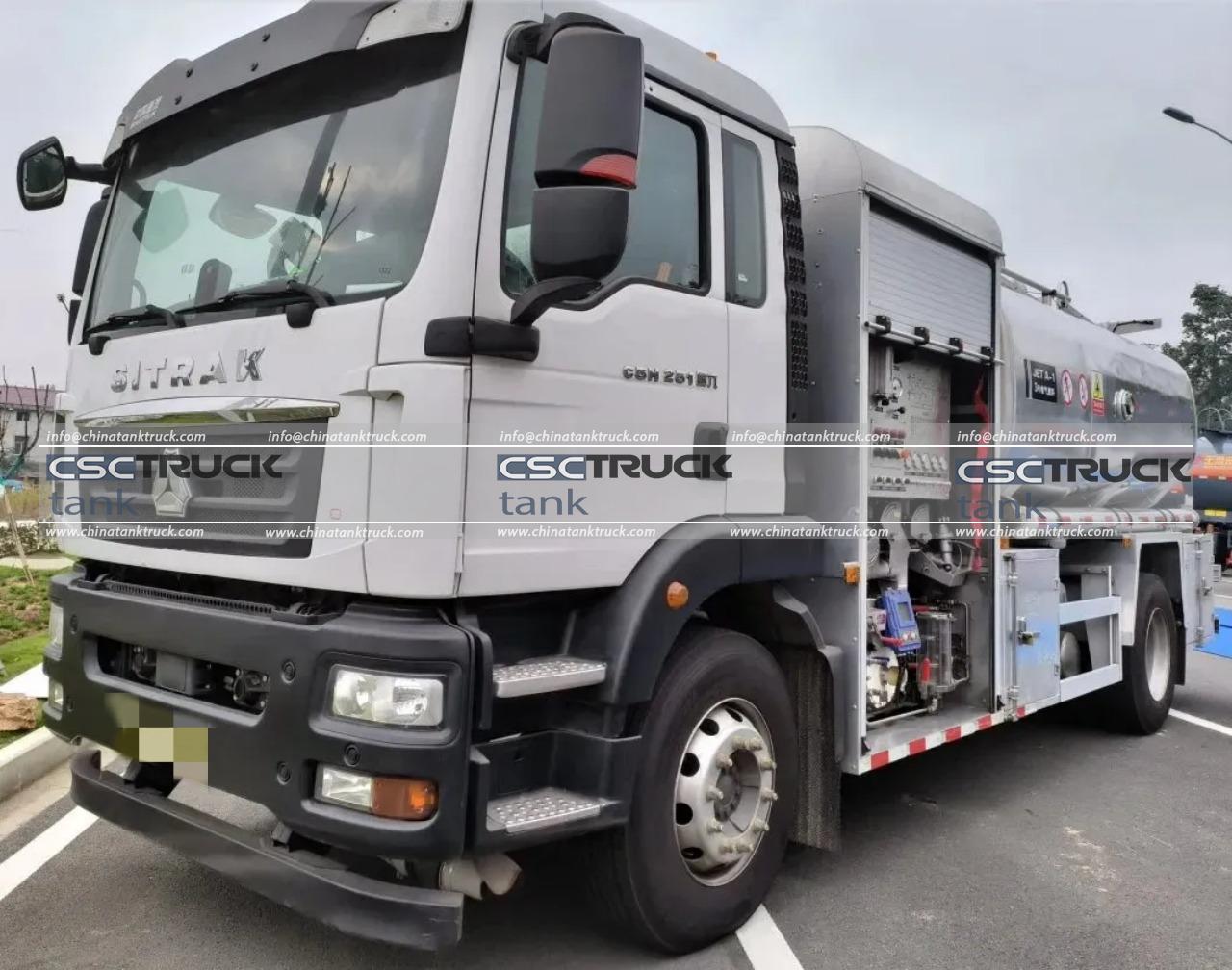
Aircraft refueling equipment often operates outdoors and may be exposed to rain, humidity, dust, road salt, and temperature changes. These conditions can accelerate corrosion of metal components.
Regularly wash the vehicle and remove accumulated dirt, fuel residue, and corrosive substances. After cleaning, ensure that sensitive components are properly dried.
Inspect the tank, chassis, piping, brackets, fittings, and exposed metal surfaces for signs of corrosion. Damaged protective coatings should be repaired as soon as possible.
Preventing corrosion is particularly important because structural deterioration can eventually affect both equipment reliability and operational safety.
6. Use the Correct Lubricants and Fluids
Lubrication reduces friction and helps protect moving components from excessive wear. Engines, transmissions, bearings, hydraulic systems, and other mechanical components all require appropriate fluids or lubricants.
Always use products that meet the equipment manufacturer’s specifications. Incorrect oil, hydraulic fluid, or grease can reduce component performance and potentially cause premature failure.
Check fluid levels regularly and replace fluids according to the recommended service intervals. During inspections, look for leaks around seals, hoses, connections, and reservoirs. A sudden reduction in fluid level may indicate an underlying problem that requires immediate attention.
7. Avoid Overloading and Improper Operation
Even high-quality aircraft refueling equipment can experience accelerated wear if it is operated outside its intended limits.
Operators should follow the manufacturer’s specifications for tank capacity, pump pressure, flow rate, vehicle load, and other operating parameters. Avoid aggressive acceleration, excessive braking, harsh maneuvering, and unnecessary engine idling.
Proper operator training is therefore an important part of equipment maintenance. Drivers and fueling personnel should understand the correct operating procedures and recognize warning signs such as abnormal vibration, pressure fluctuations, unusual sounds, or leakage.
Careful operation reduces mechanical stress and can significantly extend the service life of the vehicle and its refueling system.
8. Maintain the Electrical and Grounding Systems
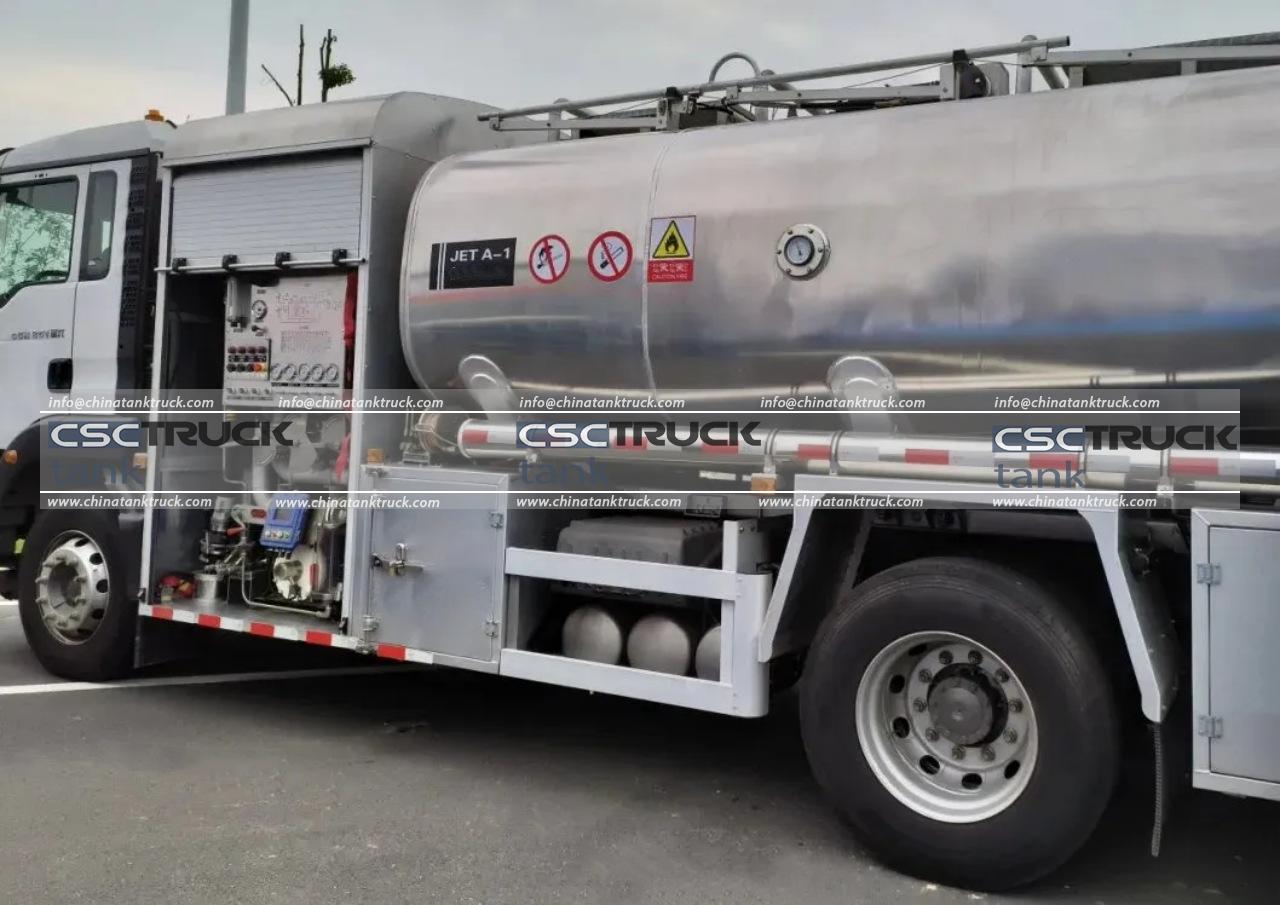
Electrical components are essential for modern aircraft refueling equipment. Sensors, meters, control systems, warning devices, lighting, and other equipment depend on reliable electrical connections.
Inspect wiring, connectors, switches, batteries, and electrical protection devices regularly. Loose or corroded connections should be repaired promptly.
Grounding and bonding systems deserve particular attention because they are critical to safe aircraft fueling operations. Grounding cables, reels, clamps, and connection points should be inspected regularly for damage and proper function.
Reliable electrical and grounding systems help prevent malfunctions while supporting safe and consistent refueling operations.
9. Keep Accurate Maintenance Records
A detailed maintenance record can significantly improve equipment management. Record inspections, repairs, component replacements, fluid changes, filter replacements, operating hours, and other important service information.
These records help maintenance teams identify recurring problems and determine when major components may require replacement.
Maintenance history is also useful when planning budgets and spare parts inventories. Instead of reacting to unexpected breakdowns, fleet managers can schedule maintenance during appropriate downtime.
For large airport fleets, digital maintenance management systems can make it easier to track individual vehicles and identify trends in equipment performance.
10. Replace Worn Components Before Failure
Extending equipment lifespan does not mean using every component until it completely fails. In many cases, proactive replacement is the better strategy.
Hoses, seals, filters, gaskets, bearings, valves, tires, and other wear components have finite service lives. Replacing them at appropriate intervals can prevent secondary damage to more expensive equipment.
Always use compatible replacement parts that meet the equipment manufacturer’s specifications. Keeping commonly required spare parts available can also reduce downtime when maintenance is needed.
Conclusion
Extending the lifespan of aircraft refueling equipment requires a combination of preventive maintenance, careful operation, regular inspection, and timely replacement of worn components. Keeping the fuel system clean, protecting equipment from corrosion, maintaining pumps and valves, inspecting hoses, checking electrical and grounding systems, and maintaining detailed service records can all contribute to longer equipment life.
For companies purchasing new aviation refueling equipment, selecting a reliable manufacturer is equally important. CSCTRUCK China Tank Truck offers aviation refueling solutions as part of its broader range of fuel and specialized tank trucks. The company states that it provides customized equipment, international export support, and after-sales technical assistance, while its manufacturing process includes inspections such as pressure testing, welding checks, leak testing, and surface treatment.
Ultimately, a well-maintained aircraft refueler can provide reliable service for many years. By treating maintenance as a continuous operational priority rather than an occasional repair task, airport operators and fuel service companies can reduce downtime, control maintenance costs, improve reliability, and maintain safer fueling operations.