
Introduction: Ensuring Safety and Reliability with Professional Aviation Refuelers
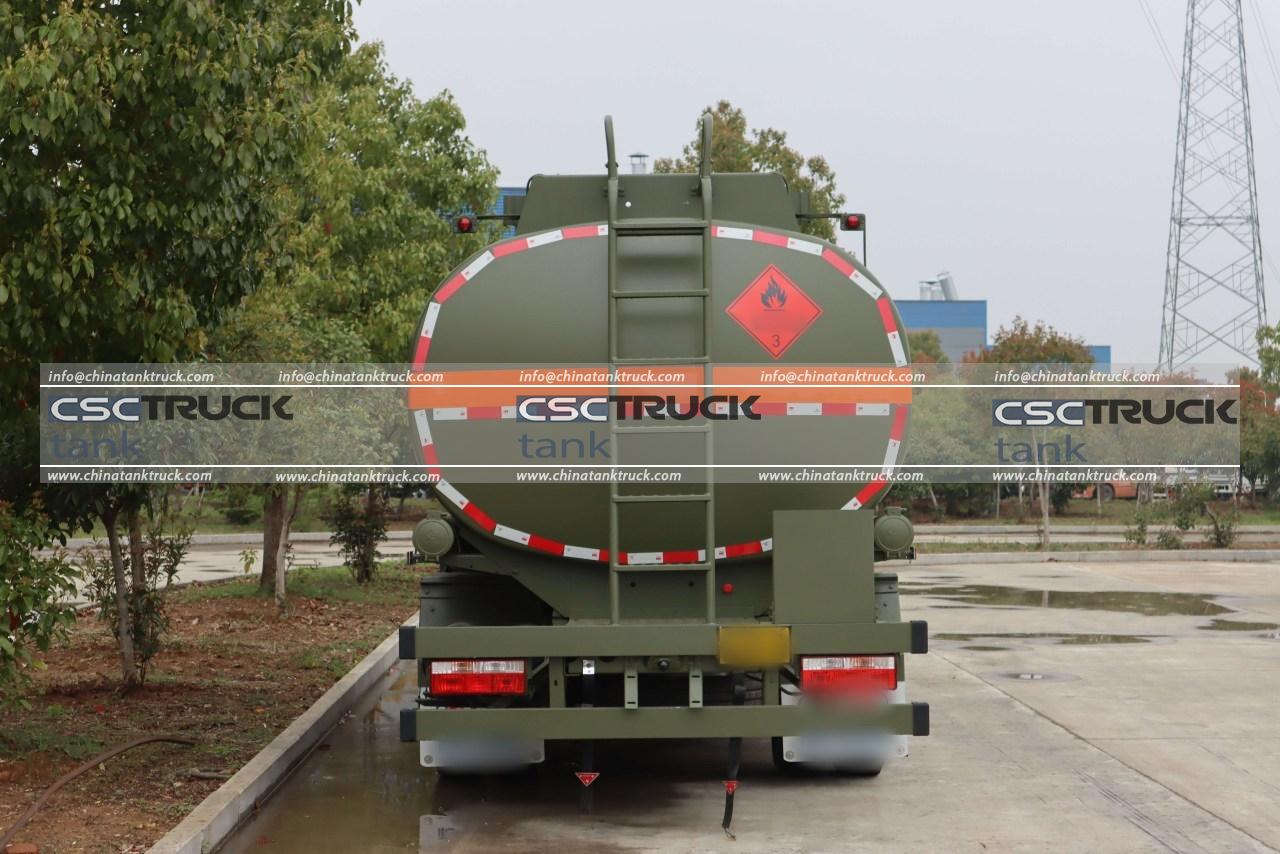
Aircraft refueling is one of the most critical ground operations at any airport. A small equipment failure, fuel contamination issue, or operational mistake can lead to serious safety risks, flight delays, and costly maintenance problems. Therefore, a complete inspection before operating an aviation refueler is essential to ensure that the vehicle, fuel system, and safety equipment are all functioning properly.
Aviation refuelers are specialized fuel service vehicles designed to transport, store, filter, and deliver aviation fuel to aircraft safely and efficiently. These vehicles require precise engineering, reliable components, and strict quality control to meet the demanding requirements of airport operations.
As a professional manufacturer of tank trucks and special-purpose vehicles, CSCTRUCK China Tank Truck provides customized fuel transportation solutions, including aviation refuelers, fuel tank trucks, and other liquid vehicles. The company focuses on advanced manufacturing technology, strict quality management, and customized designs to support customers in the petroleum, aviation, chemical, and logistics industries worldwide.
CSCTRUCK China Tank Truck offers various specialized vehicle solutions with professional production capabilities and international export experience.
Before an aviation refueler begins daily operation, operators should perform systematic inspections to confirm that all systems are safe and ready. The following are 10 important inspection tips every aviation refueler operator should follow.
1. Check the Overall Vehicle Condition
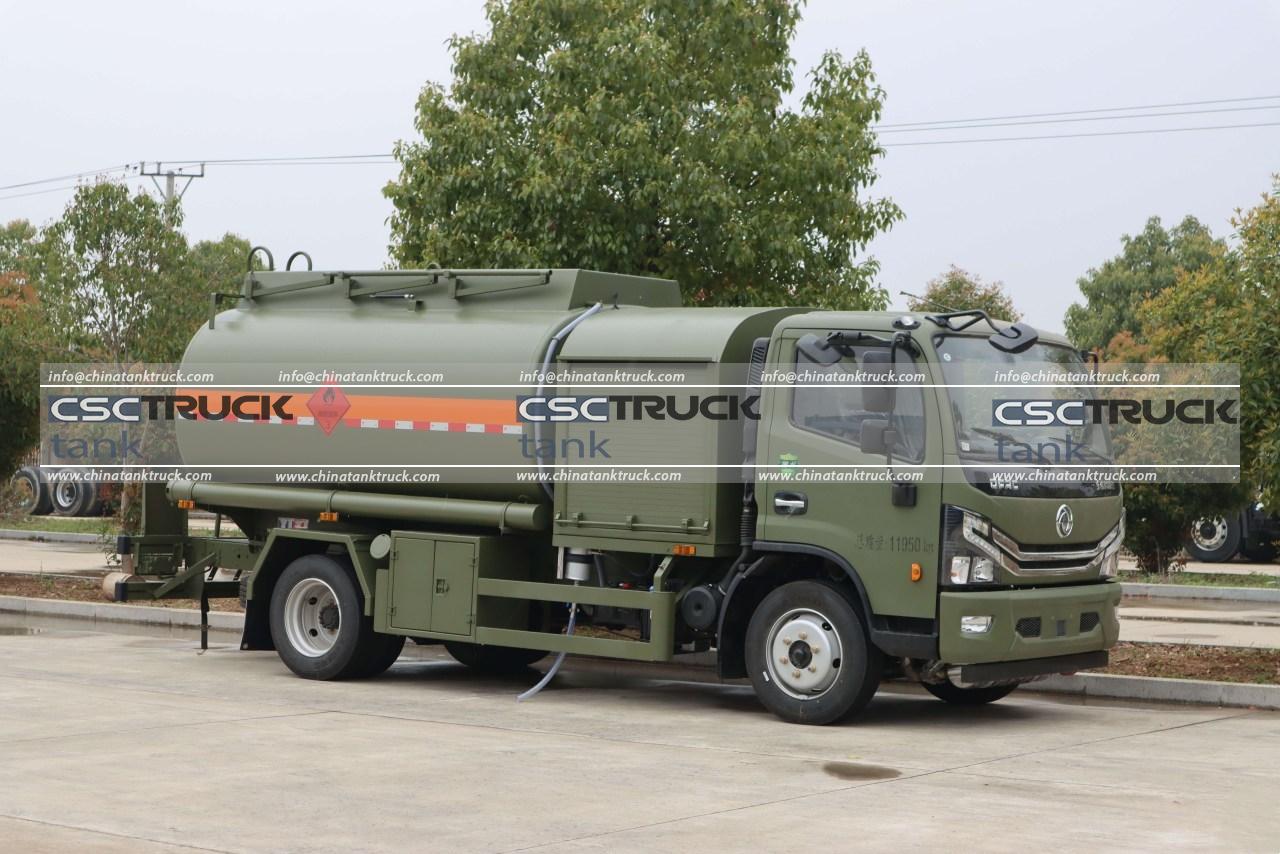
The first step before operating an aviation refueler is a complete visual inspection of the entire vehicle. Operators should walk around the truck and check for any visible damage, loose parts, leaks, or abnormal conditions.
Important areas to inspect include:
- Truck body and tank structure
- Tires and wheels
- Mirrors and lights
- Hydraulic components
- Fuel hoses and connections
- Safety signs and warning labels
Any cracks, corrosion, oil leakage, or damaged components should be reported immediately. Operating a vehicle with hidden damage can create significant safety hazards during refueling operations.
2. Inspect the Fuel Tank and Storage System
The aviation fuel tank is the core component of the refueler. Before the operation, operators must ensure that the tank is in good condition and suitable for carrying aviation fuel.
The inspection should include:
- Checking the tank exterior for corrosion or deformation
- Confirming manhole covers are properly closed
- Checking valves for proper operation
- Inspecting tank pressure and ventilation systems
- Confirming fuel level indicators work correctly
Aviation fuel requires strict cleanliness standards, so the tank interior must remain free from water, dust, rust, and other contaminants.
3. Examine Fuel Hoses and Refueling Equipment
Fuel hoses are directly involved in aircraft refueling, making them one of the most important safety components.
Operators should inspect:
- Hose surface damage
- Cracks or aging signs
- Connection fittings
- Hose reels
- Nozzle condition
- Coupling seals
Damaged hoses can cause fuel leakage, environmental pollution, and fire risks. Hoses should also be properly stored after use to prevent unnecessary wear.
Aviation refuelers are typically equipped with specialized refueling systems designed for accurate and efficient fuel delivery. Regular inspection ensures stable fuel flow and reduces operational interruptions.
4. Verify Pump and Metering System Operation
The pump system controls fuel transfer from the refueler tank to the aircraft. Before the operation, operators should confirm that the pump and related equipment work correctly.
Inspection points include:
- Pump startup performance
- Pressure readings
- Flow rate control
- Unusual noises or vibration
- Meter accuracy
The fuel metering system should also be checked to ensure accurate fuel quantity measurement. Incorrect readings may result in fuel supply errors and operational disputes.
5. Check Filtration and Fuel Quality Control Equipment
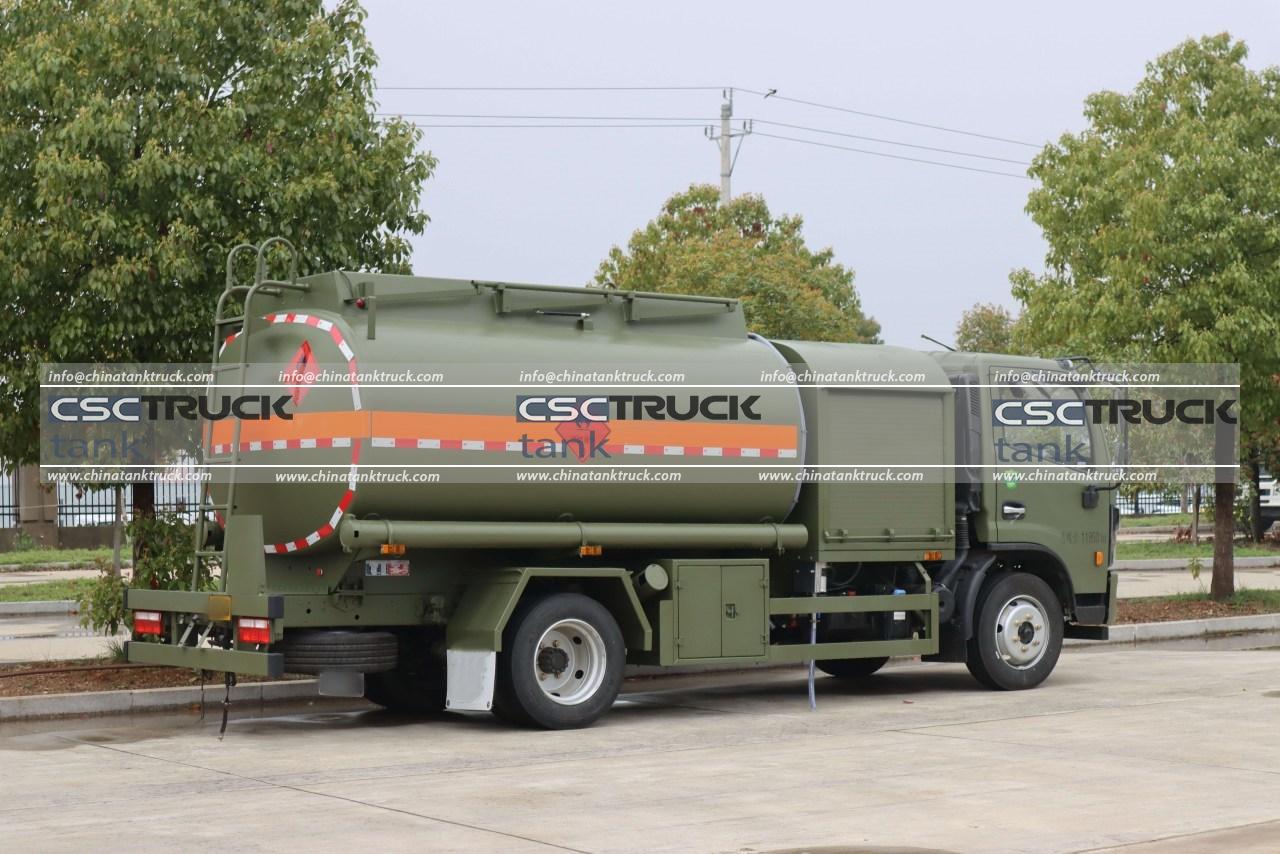
Fuel cleanliness is extremely important in aviation. Contaminated fuel can damage aircraft engines and create serious safety problems.
Before refueling, inspect:
- Fuel filters
- Water separators
- Differential pressure indicators
- Drain valves
Operators should remove accumulated water or contaminants according to maintenance procedures.
A high-quality aviation refueler should include reliable filtration equipment to maintain aviation fuel quality throughout transportation and delivery.
6. Test Grounding and Static Electricity Protection
Static electricity is a major concern during aircraft refueling because fuel vapors can ignite under unsafe conditions.
Before the operation, check:
- Grounding cables
- Bonding connections
- Static discharge equipment
- Cable condition
Operators must ensure that the aviation refueler is properly grounded before connecting fuel hoses to aircraft.
Never ignore static protection procedures, even during quick refueling tasks. Proper grounding is one of the most important safety practices in aviation fuel handling.
7. Inspect Safety Equipment and Emergency Systems
Aviation refuelers must be equipped with emergency safety systems to handle unexpected situations.
Operators should check:
- Emergency shutdown buttons
- Fire extinguishers
- Safety valves
- Warning alarms
- Emergency release devices
Emergency equipment should always remain accessible and functional. A delayed response during a fuel emergency can increase damage and risk.
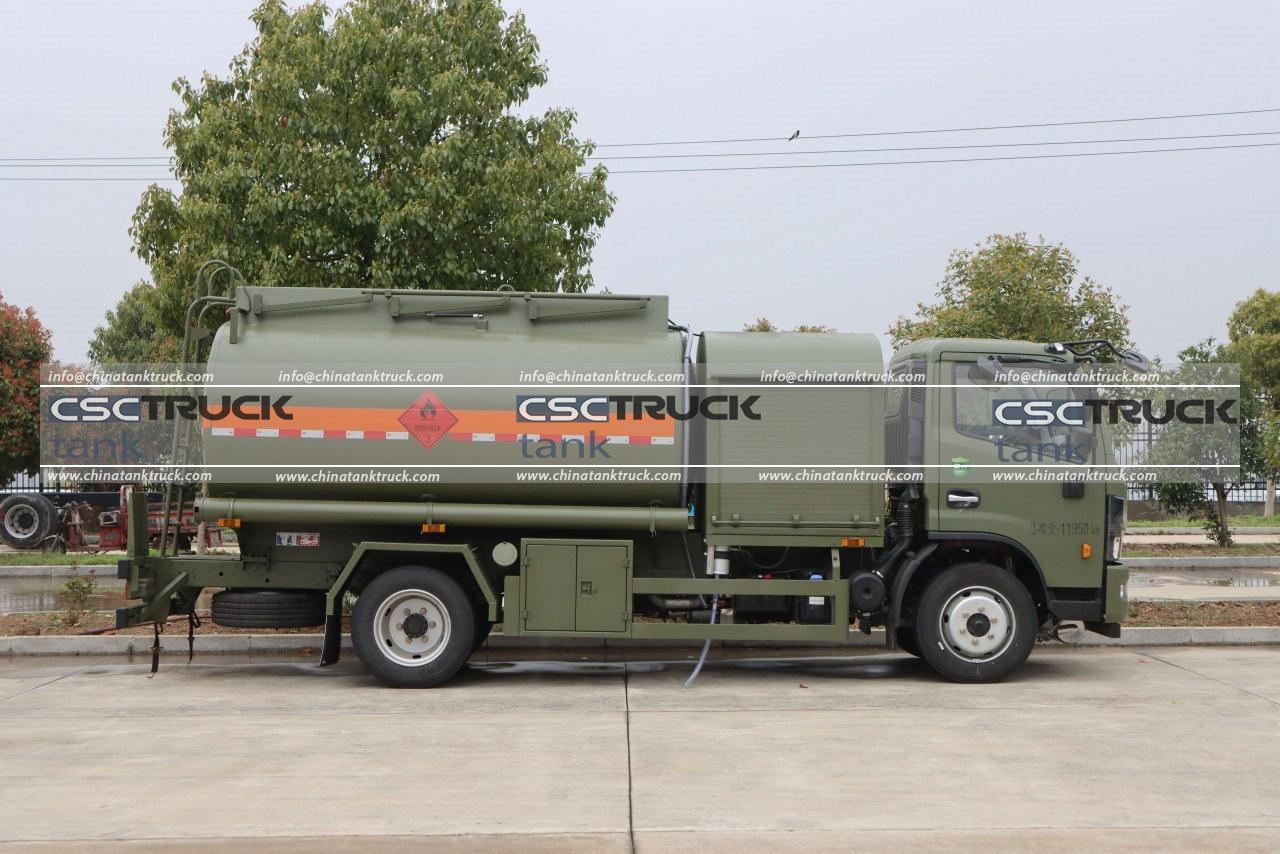
8. Check Engine, Transmission, and Driving Systems
Although the refueling system is critical, the vehicle itself must also operate reliably. A breakdown on the airport apron can affect aircraft schedules and airport efficiency.
Before driving, inspect:
- Engine oil level
- Coolant level
- Brake system
- Transmission performance
- Steering system
- Battery condition
Operators should also check tire pressure and tread condition because aviation refuelers often operate under heavy loads.
9. Confirm Control Panel and Electronic Systems
Modern aviation refuelers use electronic monitoring and control systems to improve safety and efficiency.
Before the operation, verify:
- Control panel functions
- Fuel quantity displays
- Warning indicators
- Communication equipment
- Lighting systems
Any error message or abnormal alarm should be investigated before starting refueling operations.
Electronic systems provide important information during fuel delivery, helping operators monitor vehicle status and prevent mistakes.
10. Review Operating Procedures and Safety Checklist
The final inspection step is confirming that the operator is prepared and all procedures are followed.
Operators should review:
- Daily inspection checklist
- Refueling procedures
- Airport safety regulations
- Communication requirements
- Weather conditions
A professional operator should never rely only on experience or memory. Using a standardized checklist helps prevent missed inspection points and improves overall operational safety.
Conclusion
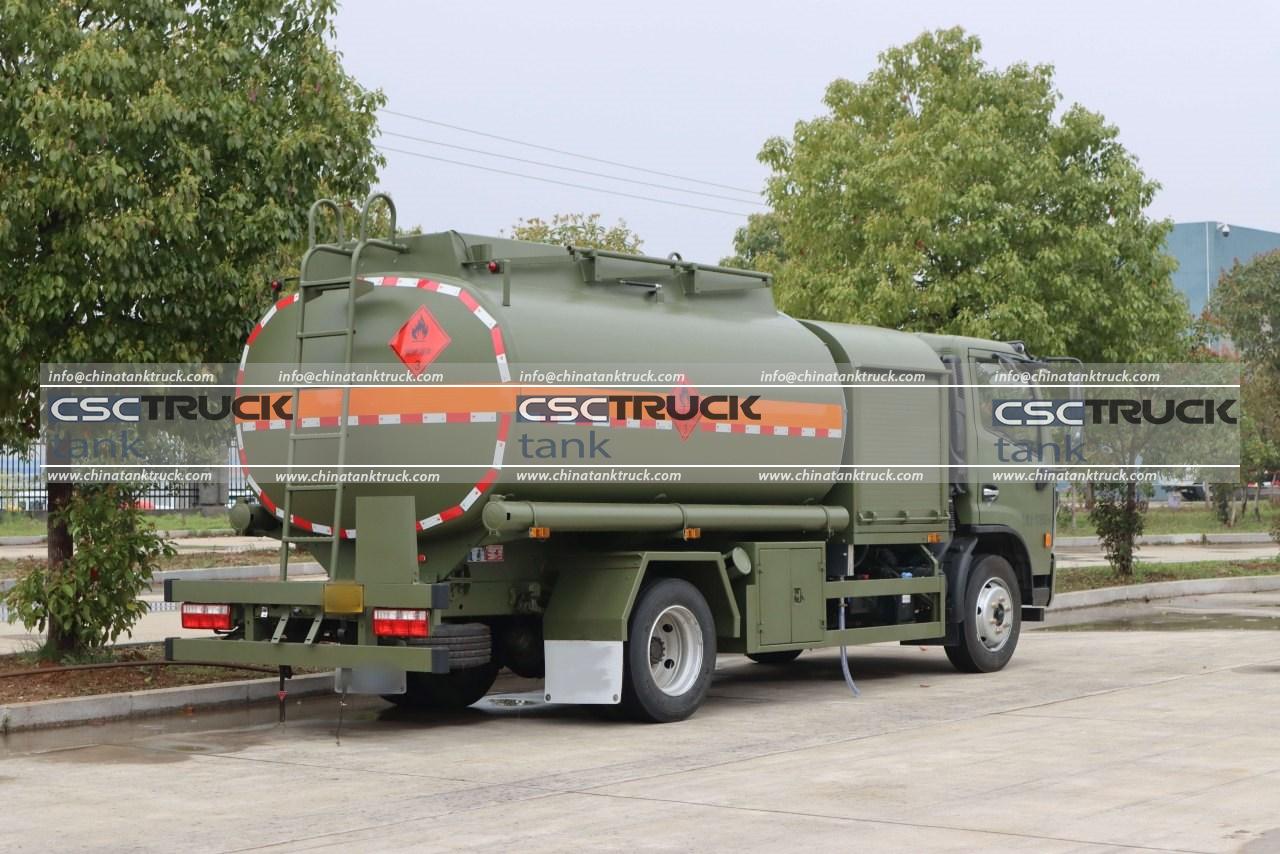
Aviation refueling requires precision, responsibility, and strict attention to detail. Performing inspections before operating an aviation refueler helps identify potential problems early, protects aircraft safety, reduces equipment downtime, and improves airport service efficiency.
From checking the tank structure and fuel system to verifying safety equipment and electronic controls, every inspection step plays an important role in reliable aircraft fueling operations.
Choosing a dependable aviation refueler manufacturer is equally important. With experience in producing tank trucks and customized special-purpose vehicles, CSCTRUCK China Tank Truck provides professional solutions designed for safe and efficient fuel transportation applications. Through advanced manufacturing processes, quality control systems, and customized vehicle configurations, CSCTRUCK China Tank Truck continues to support customers around the world with reliable transportation equipment.
Regular inspections combined with high-quality equipment and trained operators create a safer, more efficient aviation refueling environment for airports and aviation service providers worldwide.