
Pneumatic tank tshebs are specialized vehicles designed to transport and discharge dry bulk materials such as cement, fly ash, lime powder, flour, plastic pellets, and other powdered or granular products. Unlike conventional cargo trucks, pneumatic tankers use compressed air to fluidize and transfer materials through pipelines, allowing operators to unload bulk cargo directly into silos and storage systems. This makes them especially valuable in construction, agriculture, food processing, chemical, mining, and manufacturing industries.
However, selecting the right pneumatic tank truck requires more than simply comparing tank capacity and purchase price. The tank structure, compressor, discharge system, chassis, payload, operating pressure, safety equipment, and after-sales support all influence long-term performance.
CSCTRUCK Tuam Tshoj Tank Truck yog ib tug Tuam Tshoj-raws li manufacturers ntawm cov tsheb thauj khoom tank thiab cov tsheb thauj khoom tshwj xeeb. Tsim muaj xyoo 2005 in Suizhou, Hubei, CSCTRUCK Tuam Tshoj Tank Truck offers pneumatic tank trucks and bulk transport solutions in different capacities and configurations. Its product range includes pneumatic trucks and trailers, with customization available for tank capacity, materials, chassis brands, and other equipment.
Here are 10 proven tips to help buyers select a high-performance pneumatic tank tsheb.
1. Define the Material You Need to Transport
The first step is to identify exactly what material the truck will carry. Different dry bulk products have different characteristics, including particle size, density, moisture sensitivity, abrasiveness, flowability, and contamination requirements.
For example, cement and fly ash require effective fluidization and pneumatic conveying, while food-grade powders may require stainless-steel components and stricter hygiene controls. Plastic pellets may have different airflow and discharge requirements.
Understanding the material helps determine the appropriate tank material, internal configuration, aeration system, compressor capacity, and discharge equipment.
2. Xaiv Lub Peev Xwm Tank Kom Yog
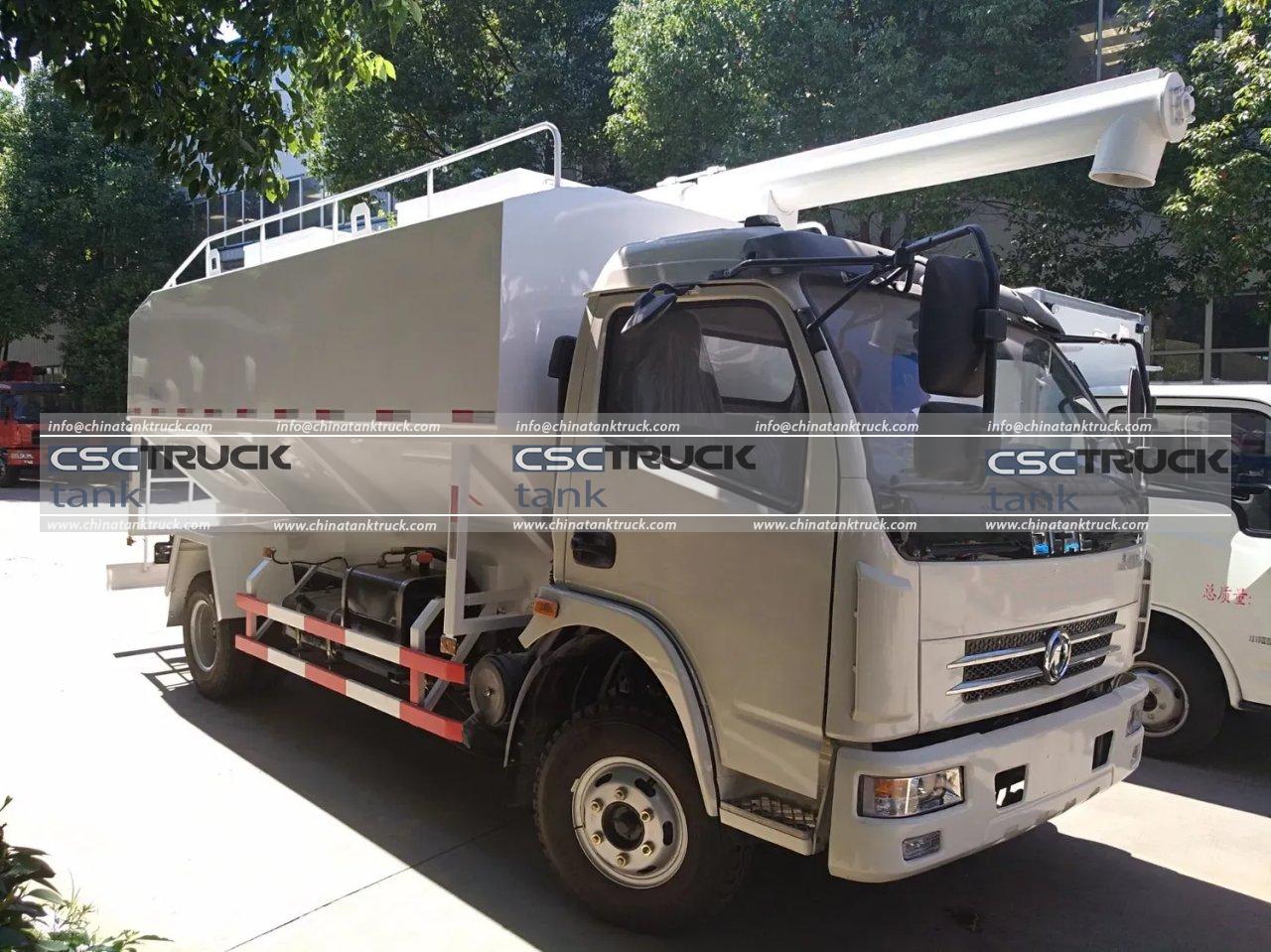
Tank capacity directly affects transportation efficiency. CSCTRUCK Tuam Tshoj Tank Truck offers pneumatic tank trucks and trailers in configurations ranging from smaller road-going units to high-capacity bulk tankers. Its current product range includes examples such as 22 CBM pneumatic trucks, 30–40 CBM dry bulk tankers, and larger pneumatic tanker trailers.
A larger tank can reduce the number of trips required, but maximum capacity should always be balanced against legal axle loads, road conditions, vehicle dimensions, and the density of the cargo.
Do not simply choose the largest available tank. Select a capacity that matches your daily transportation volume and the maximum payload permitted in your operating market.
3. Ua tib zoo mloog lub tshuab cua Compressor
The compressor is one of the most important components of a pneumatic tank truck because it supplies the compressed air required for material fluidization and discharge. Compressor performance directly affects unloading speed and operational efficiency.
When comparing trucks, check:
- Muaj peev xwm ntws cua
- Ua hauj lwm siab
- Compressor hom
- Compressor drive system
- Kev ua haujlwm tas mus li
- Yuav tsum tau txij nkawm
- Compatibility with the transported material
Rotary screw and rotary vane compressors are among the systems used in pneumatic bulk transport. The best choice depends on the required unloading performance and operating conditions.
A compressor that is too small may result in slow unloading, unstable material flow, or frequent operating interruptions.
4. Check the Tank Material and Structural Quality
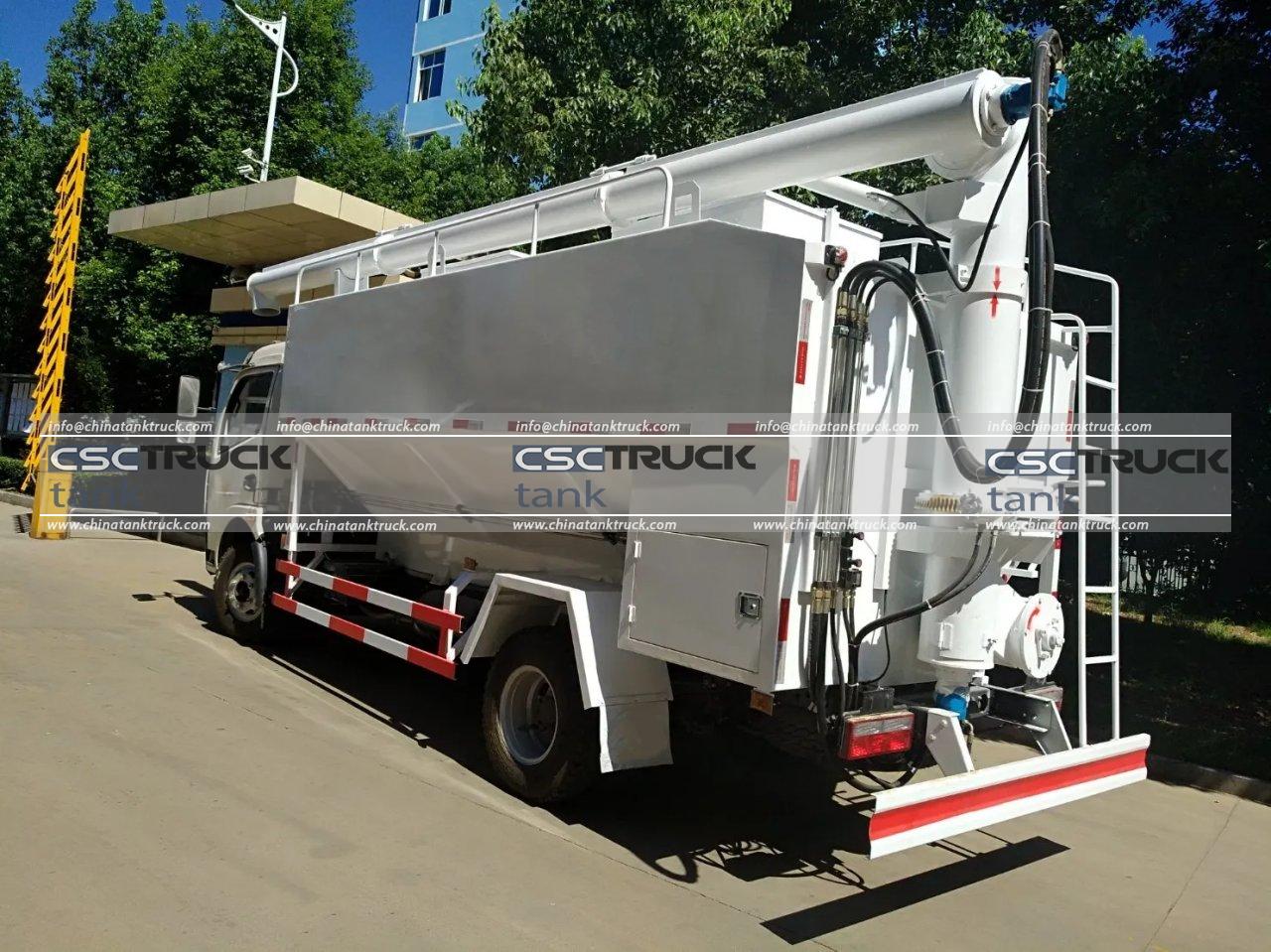
The tank must withstand repeated loading, transportation, pressurization, and unloading cycles. Therefore, construction quality is critical.
Depending on the application, buyers may consider aluminum, carbon steel, or stainless steel construction. Material selection should take into account weight, corrosion resistance, strength, hygiene requirements, and the characteristics of the cargo.
The welding quality is equally important. Ask the manufacturer about welding procedures, pressure testing, leak testing, and inspection standards. CSCTRUCK Tuam Tshoj Tank Truck hais tias nws cov tsheb thauj khoom raug kuaj xyuas zoo suav nrog kev sim siab, kev kuaj vuam, kev sim xau, thiab kev kho qhov chaw ua ntej xa khoom.
5. Match the Discharge System to Your Receiving Facility
A high-performance pneumatic tanker is only as effective as its discharge system. The discharge pipe, valves, aeration equipment, and connections must work with the receiving silo or storage system.
Discharge pipe diameter can affect pressure loss, material flow, unloading speed, and compatibility with customer equipment.
Ua ntej yuav khoom, paub meej tias:
- Required discharge pipe diameter
- Discharge outlet location
- Pipeline connection type
- Typical unloading distance
- Qhov siab uas yuav tsum tau tshem tawm
- Receiving silo specifications
- Lub sijhawm xav tau ntawm kev tshem tawm
If your truck operates at different facilities, a flexible discharge configuration can provide additional operational value.
6. Select the Correct Chassis and Drivetrain
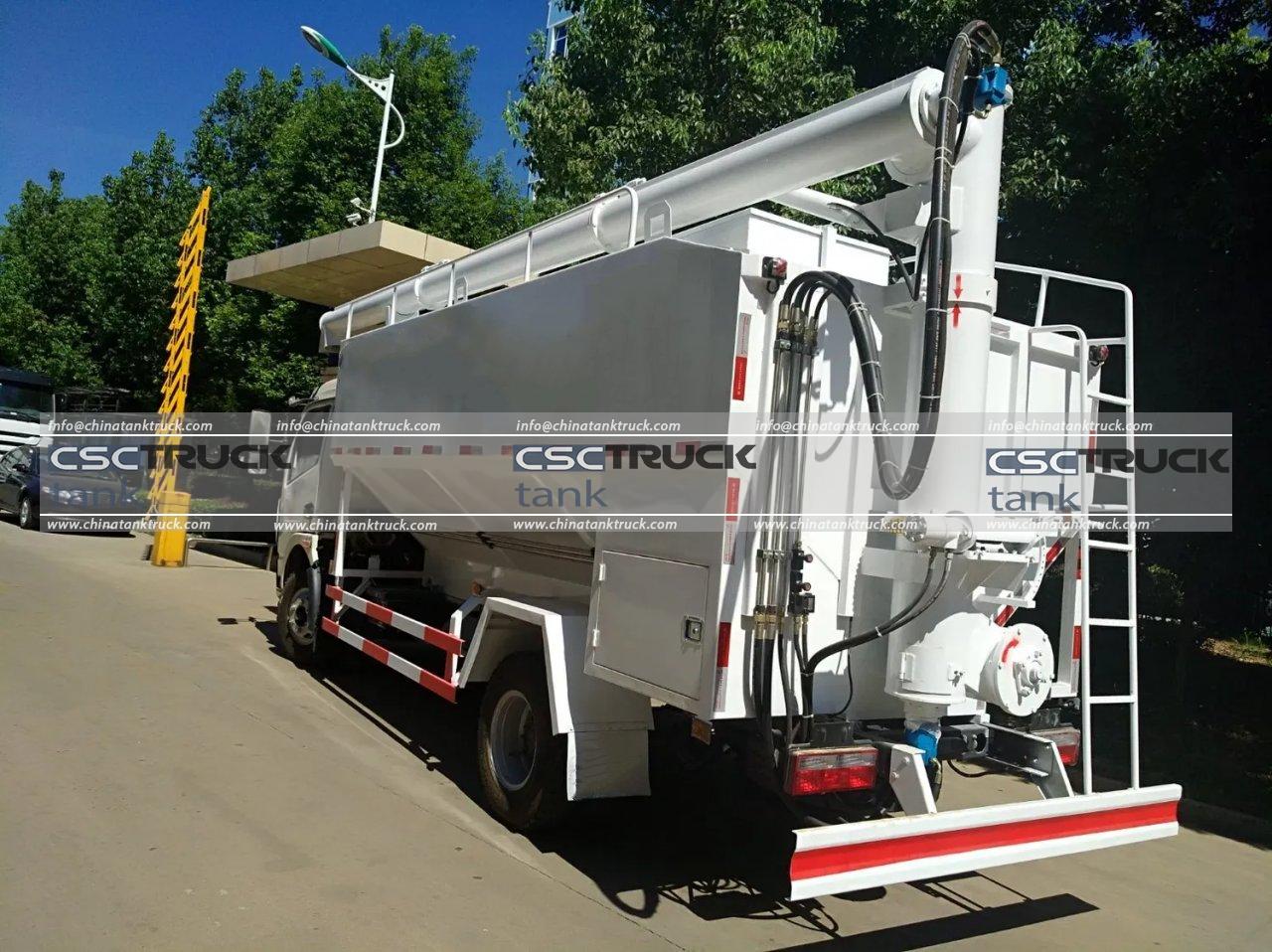
The chassis determines much of the truck’s road performance, payload capability, reliability, and maintenance requirements.
Consider the road environment before choosing between 4×2, 6×4, 8×4, or other configurations. A 4×2 chassis may be suitable for lighter urban or regional operations, while heavier configurations may be preferable for high-capacity bulk transportation.
Also consider engine power, transmission, wheelbase, axle capacity, fuel consumption, and local availability of spare parts.
CSCTRUCK Tuam Tshoj Tank Truck provides customized chassis options and lists brands such as SINOTRUK/HOWO and FAW among its available configurations.
7. Verify Operating Pressure and Safety Equipment
Because pneumatic tank trucks use compressed air, pressure management is a fundamental safety consideration. Buyers should verify the tank’s design pressure, maximum operating pressure, pressure-relief equipment, pressure gauges, valves, and emergency protection systems.
Never select a vehicle based only on a high-pressure specification. The entire pneumatic system must be properly matched, and operating pressure must comply with the applicable regulations and equipment design.
Safety components should include reliable pressure gauges, safety valves, pressure-relief devices, and properly designed pipelines. The manufacturer should also provide appropriate documentation and testing records.
8. Consider Payload Efficiency, Not Just Volume
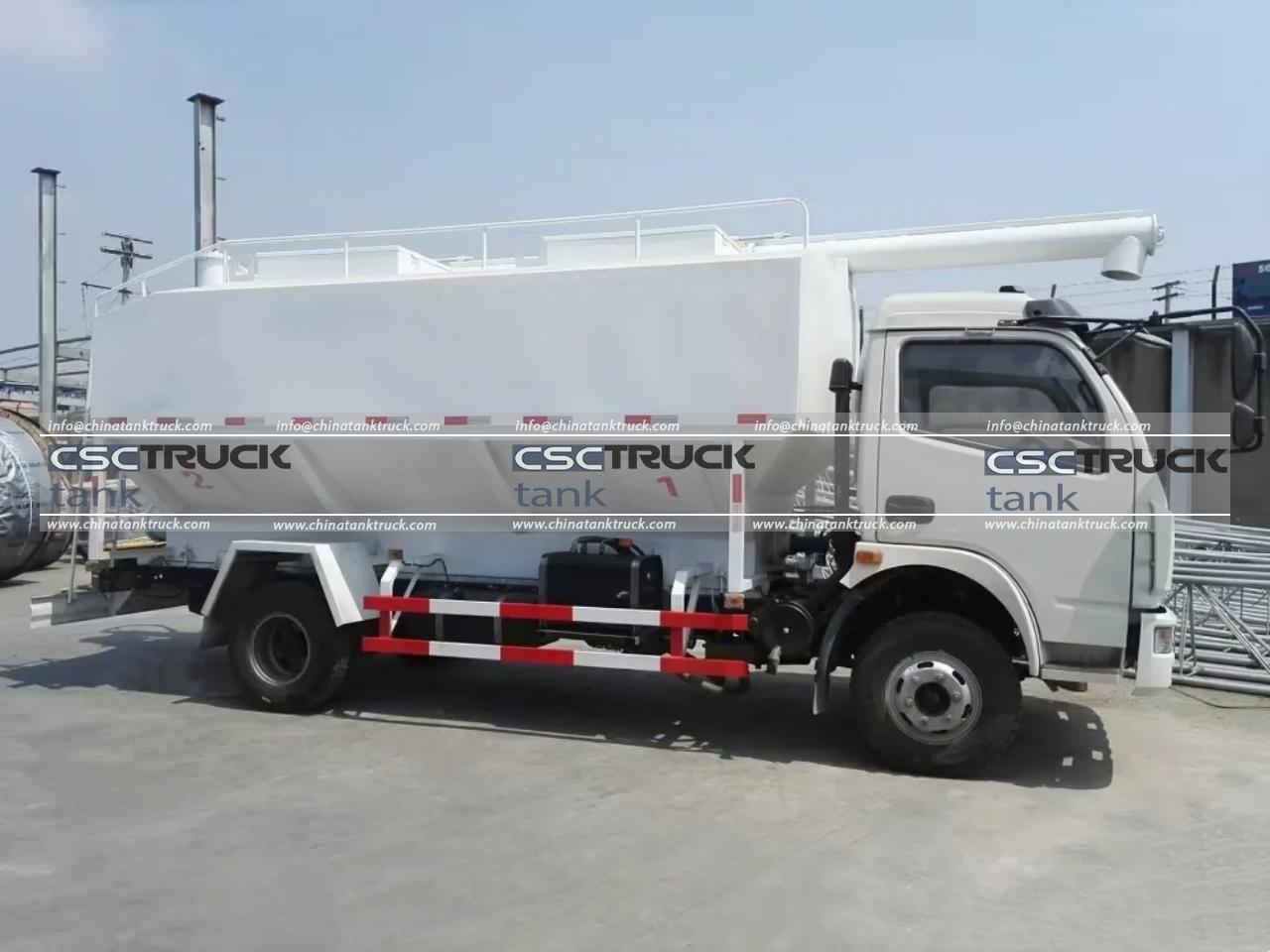
2 pneumatic tank trucks with the same nominal volume may have significantly different payload capacities.
Tank weight, chassis weight, axle configuration, compressor equipment, accessories, and local road regulations all influence the actual amount of cargo that can be transported legally.
A lightweight aluminum tank, for example, may offer payload advantages in applications where its mechanical and material properties are appropriate. Conversely, heavier steel construction may be preferred when greater structural durability is required.
Calculate the expected payload in tons as well as the tank volume in cubic meters before purchasing.
9. Evaluate Maintenance and Spare Parts Support
A pneumatic tank truck is a working asset, so downtime can quickly become more expensive than the initial price difference between 2 vehicles.
Ua ntej yuav khoom, nug tus neeg tsim khoom txog:
- Kev saib xyuas lub tshuab cua compressor
- Valve hloov
- Aeration pad service
- Kev ntxuav cov kav dej
- Pressure-system inspection
- Muaj cov khoom seem seem
- Kev cob qhia
- Cov kev pab kas phais
- Kev txhawb nqa tej thaj chaw deb
CSCTRUCK Tuam Tshoj Tank Truck states that it provides lifetime technical support, spare parts within warranty, and online guidance for operation and maintenance.
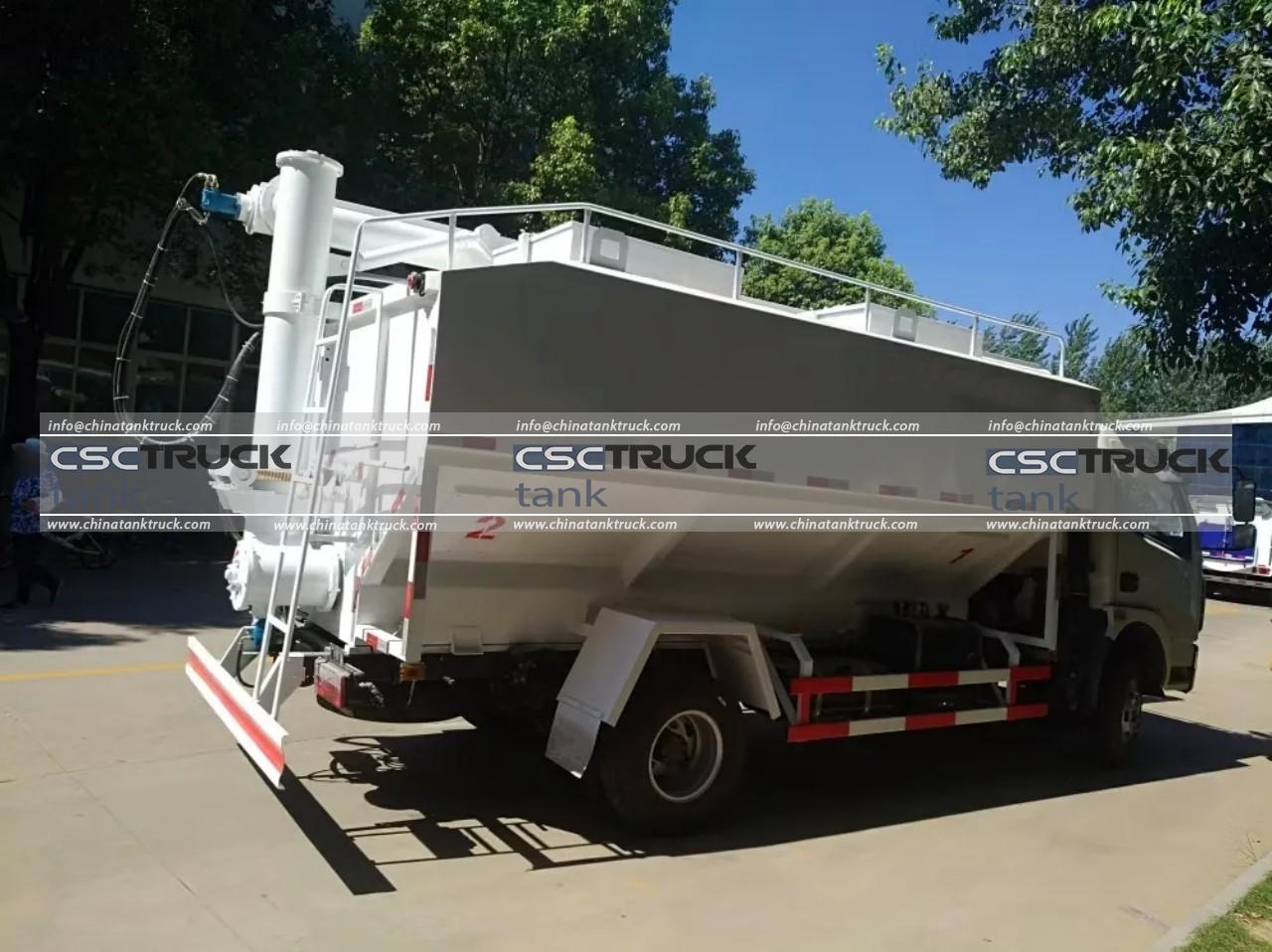
For international buyers, spare-parts availability is especially important. A truck that is inexpensive to purchase but difficult to maintain locally may have a higher total cost of ownership.
10. Compare the Total Cost of Ownership
Finally, do not make your decision based solely on the purchase price.
A high-performance pneumatic tank truck should be evaluated according to its total cost of ownership, including:
Purchase price + fuel consumption + compressor energy requirements + maintenance + spare parts + downtime + expected service life.
A more efficient compressor, durable tank, reliable chassis, and well-designed discharge system may cost more initially but provide better long-term economics.
Also consider the manufacturer’s export experience and documentation capabilities. CSCTRUCK Tuam Tshoj Tank Truck reports serving international markets and providing export documentation and certification support.
xaus
Xaiv qhov kev ua haujlwm siab pneumatic tank tsheb requires a comprehensive evaluation of the entire vehicle rather than focusing on a single specification. The ideal truck should match your cargo characteristics, required capacity, unloading conditions, road environment, safety requirements, and operating budget.
The most important factors include tank capacity, tank material, compressor performance, discharge system, chassis configuration, operating pressure, payload efficiency, maintenance support, and total cost of ownership.
For buyers looking for a customized solution, CSCTRUCK Tuam Tshoj Tank Truck provides pneumatic tank trucks and trailers for different dry bulk transportation applications. Its current product portfolio includes multiple pneumatic configurations, while its manufacturing and export capabilities allow customers to specify tank capacity, materials, chassis, and other equipment according to project requirements.
By carefully evaluating these 10 factors before purchasing, fleet operators can select a pneumatic tank truck that delivers reliable unloading performance, efficient bulk transportation, lower operating costs, and long-term value.