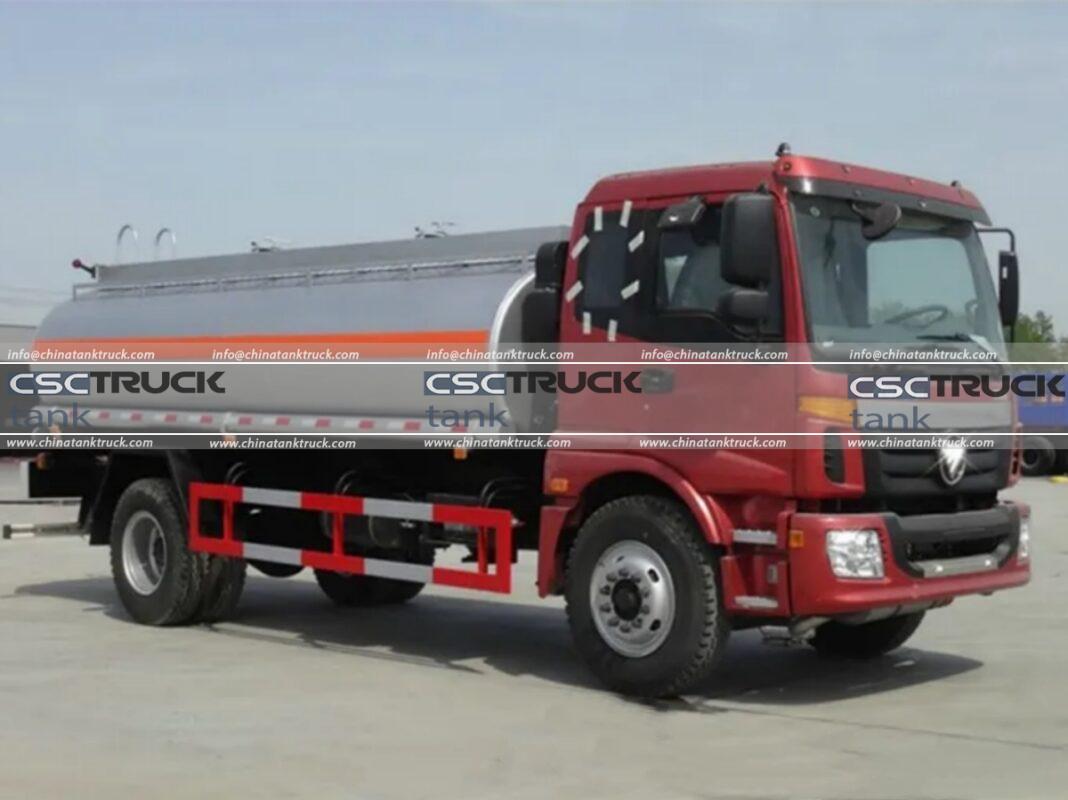
In the world of logistics and bulk fuel transport, a gas tank truck is more than just a vehicle — it is an engineered solution designed to move hazardous liquid fuels safely, efficiently, and reliably over long distances. As global energy demand continues to rise, companies in the petroleum, petrochemical, and transportation sectors require tank trucks that balance high-capacity hauling, advanced safety systems, and dependable performance. This article examines the key features, design principles, and operational advantages of modern gas tank trucks for sale, highlighting why these vehicles are crucial assets for fuel distributors and fleet operators.
1. What Is a Gas Tank Truck?
A gas tank truck, also known as a fuel tanker, petroleum tanker, or gas tanker, is a specialized commercial vehicle designed to transport flammable liquids, such as gasoline, diesel, jet fuel, and other petroleum products. Unlike standard cargo trucks, gas tank trucks incorporate robust containment systems, explosion-resistant designs, and integrated safety technologies that comply with stringent industry and government regulations.
These vehicles are commonly used by:
- Fuel distribution companies
- Airports and aviation fuel providers
- Oil refineries
- Commercial fleet fueling services
- Government and defense agencies
The vehicle’s primary mission is to move fuels from refineries or terminals to retail stations, bulk storage facilities, or direct customers without spillage, contamination, or risk to public safety.

2. High-Capacity Design for Maximum Efficiency
One of the defining features of premium gas tank trucks for sale is their high-capacity design. Capacity directly affects productivity — the more fuel a truck can carry per trip, the lower the cost per gallon transported.
a. Optimal Tank Volume
Modern gas tank trucks typically range from 5,000 to 12,000 gallons (approximately 19,000 to 45,000 liters), depending on local road regulations, axle load limits, and customer requirements. High-capacity configurations are increasingly popular because they allow for:
- Fewer trips are needed to maintain the supply
- Lower operational costs (fuel, labor, maintenance)
- Reduced fleet size requirements
Manufacturers achieve this without sacrificing safety by optimizing tank shape, using lightweight yet durable materials, and ensuring that load distribution meets highway weight regulations.
b. Material Selection
High-capacity tanks are often constructed from aluminum or stainless steel. Both materials offer unique advantages:
- Aluminum: Lightweight, corrosion-resistant, and helps increase payload capacity.
- Stainless Steel: Highly durable and ideal for operators who require longevity and resistance to harsh environments.
Tank construction also takes into account internal baffling — partitioned chambers inside the tank that reduce liquid surge (sloshing), improve vehicle handling, and minimize stress on the structure during transit.
3. Advanced Safety Systems: Protecting People and Property
Fuel transport inherently involves risk. To address this, high-quality gas tank trucks on the market today come equipped with an array of advanced safety systems designed to minimize hazards during loading, transport, and delivery.
a. DOT and ADR Compliance
Top-tier gas tank trucks meet or exceed regulatory standards such as the U.S. Department of Transportation (DOT) regulations and the European ADR (Accord Dangereux Routier) requirements. Compliance ensures that trucks are legally certified for hazardous material transport and adhere to strict safety protocols.
b. Emergency Shutdown Systems
These systems allow operators to quickly cut off fuel flow in the event of a spill, collision, or fire. Emergency shutdown valves are typically installed at key points:
- At the pump station
- On the tank control panel
- Near the discharge hose reel
When activated, these devices instantly halt fuel transfer, reducing the chance of dangerous spill incidents.
c. Fire Suppression and Detection
Given the flammable nature of gasoline and diesel, many gas tank trucks include:
- Automatic fire suppression systems
- Heat sensors
- Smoke detectors
These technologies provide early warning and automatic response capabilities if a fire threat is detected.
d. Enhanced Braking and Stability Control
Heavy liquid loads can affect braking performance and stability, especially during sudden stops or evasive maneuvers. To counteract this:
- Anti-lock Braking Systems (ABS) help prevent wheel lock-up.
- Electronic Stability Control (ESC) reduces the risk of jackknifing or rollovers.
- Load-Sensitive Braking ensures braking force matches the actual mass of the truck.
Together, these systems help drivers maintain control in challenging conditions.

4. Reliable Transport Performance
A gas tank truck must deliver performance that keeps fleets moving reliably day after day. This means dependable engine power, efficient fuel economy, and robust build quality.
a. Powertrain and Chassis Options
Leading manufacturers pair high-capacity tanks only with chassis that are capable of supporting heavy loads over long distances. Diesel engines with turbocharging and high torque output are typical, providing:
- Sufficient power for highway travel
- Strong acceleration even when fully loaded
- High fuel efficiency to keep operating costs down
Chassis options often include brands known for durability and uptime, with configurations that can be tailored for terrain, route requirements, and payload weight.
b. Suspension and Ride Quality
Gas tank trucks require suspensions that can handle weight without sacrificing ride stability. Multi-leaf springs or air-ride suspensions are common, offering:
- Reduced wear on structural components
- Smoother handling
- Better driver comfort
Enhanced suspension systems also reduce stress on the tank and fittings, prolonging service life.
c. Ease of Operation
Reliable performance isn’t limited to mechanical components — it also includes driver-friendly features:
- Intuitive control panels
- Well-placed gauges and readouts
- Ergonomic cabin design
These features reduce operator fatigue and help ensure safe and accurate fuel delivery.
5. Customization and Optional Features
Gas tank trucks for sale often come in standard configurations, but many buyers require customization to match their business model. Common customization options include:
- Multiple compartments: Allowing different fuel types to be transported simultaneously.
- Automatic metering and digital flow meters: For accurate delivery measurements.
- Remote monitoring systems: Real-time telematics for location, fuel levels, and diagnostics.
- Custom paint and branding: For fleet identity and visibility.
Each of these options enhances operational efficiency and aligns the vehicle with specific business needs.

6. Total Cost of Ownership and Resale Value
When evaluating gas tank trucks for sale, many fleet managers consider the total cost of ownership (TCO) rather than just the purchase price. Key cost drivers include:
- Fuel efficiency
- Maintenance intervals and part availability
- Durability of safety and load handling systems
- Resale value
High-quality tank trucks with advanced safety systems and durable construction often retain higher resale value and require fewer unscheduled repairs, making them economically attractive over the long term.
7. Choosing the Right Gas Tank Truck
Selecting the right gas tank truck requires balancing capacity, safety, performance, and budget. Some questions prospective buyers should consider include:
- What volume of fuel needs to be transported daily?
- What are the local and national compliance requirements?
- Are multiple fuel grades required in separate compartments?
- What kind of terrain and route profiles will the truck encounter?
Working with experienced manufacturers and suppliers who can provide customization, after-sales support, and training ensures that the investment results in reliable service and operational success.

Conclusion
Gas tank trucks are indispensable tools in the global fuel supply chain. The latest models for sale bring together high-capacity design, advanced safety systems, and proven reliability to meet the demanding needs of fuel transport operations. Whether supporting a regional distribution network or a national fleet, choosing the right gas tank truck means investing in efficiency, safety, and long-term performance.
If you’re in the market for a fuel transportation solution that delivers on all fronts, it’s essential to evaluate your operational needs, regulatory environment, and performance expectations — and then select a truck designed to exceed them.
