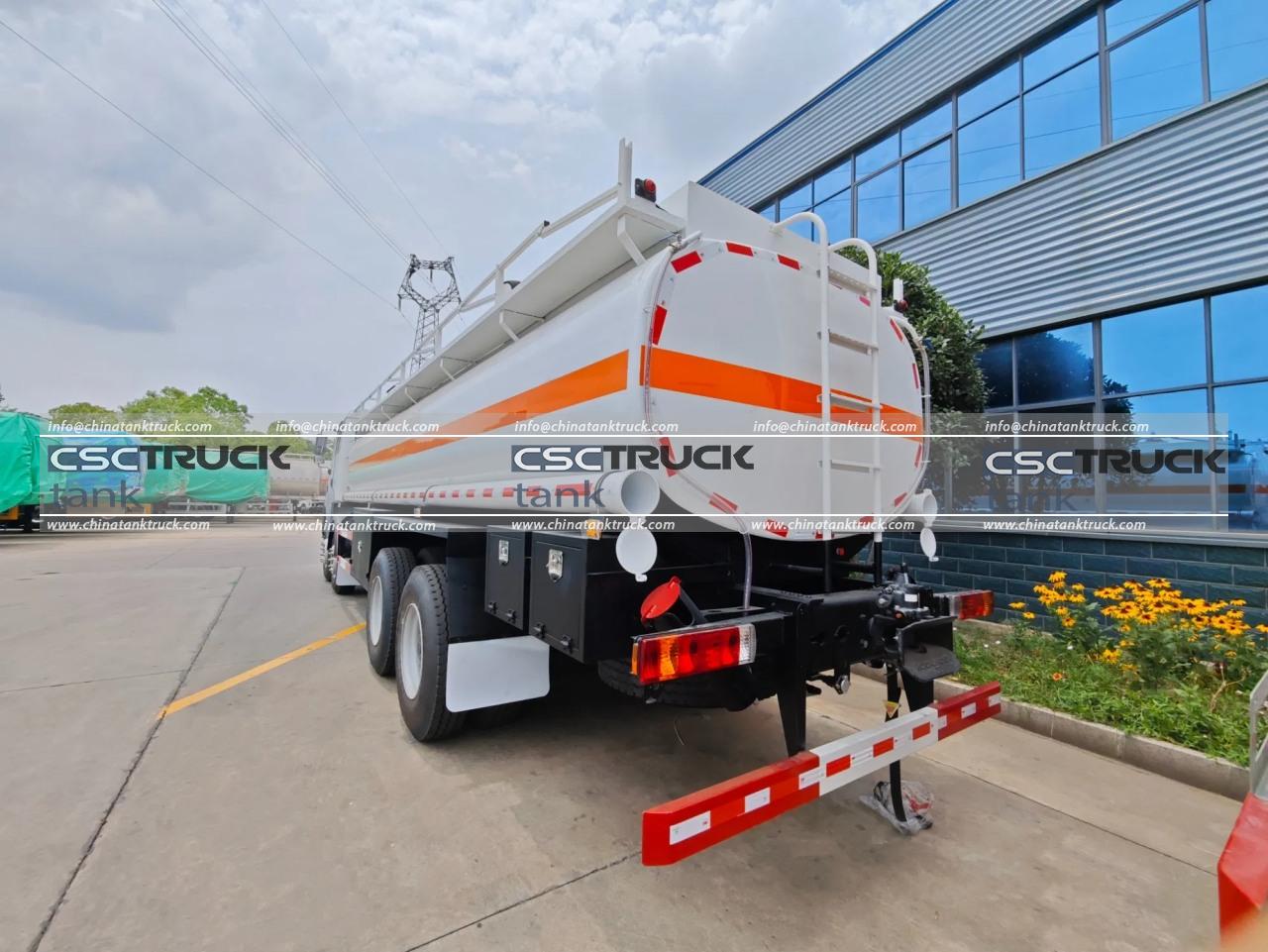

Fuel tank trucks play a vital role in the global energy supply chain, ensuring the safe and timely transport of gasoline, diesel, kerosene, and other petroleum products to gas stations, construction sites, and industrial facilities. As the world continues to rely on road-based logistics for fuel distribution, the design, efficiency, and reliability of fuel tank trucks have become increasingly important. In recent years, fleet operators, drivers, and end users have shared valuable feedback that highlights both the strengths of current fuel truck models and areas for improvement. This article compiles user insights and practical suggestions aimed at enhancing the performance, safety, and efficiency of modern fuel delivery systems.
1. User Feedback on Current Fuel Tank Truck Performance
a. Reliability and Durability
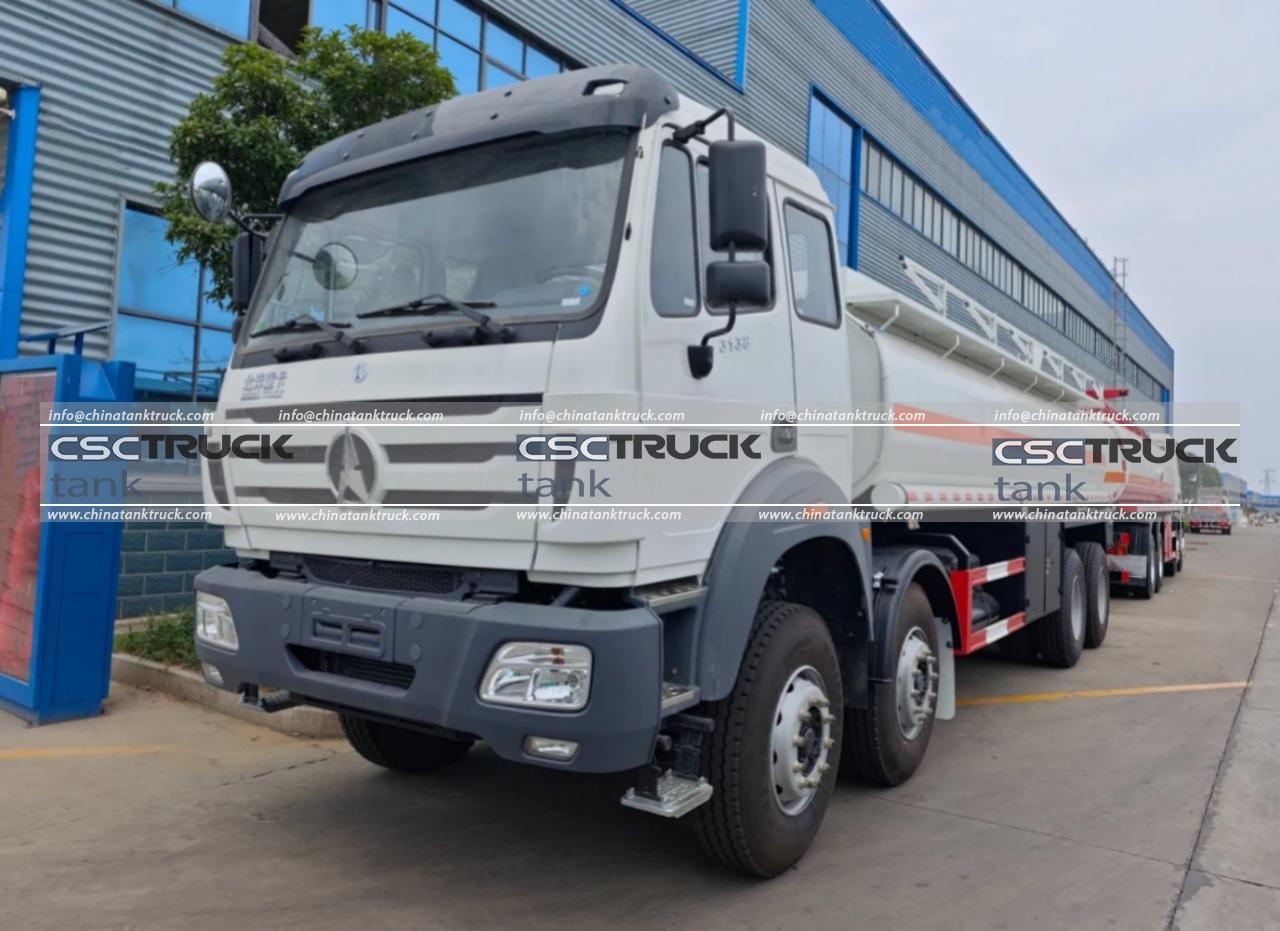
Operators generally praise the reliability of modern fuel tank trucks, particularly those built on heavy-duty chassis such as HOWO, Dongfeng, ISUZU, and FAW. Stainless steel or aluminum alloy tanks are appreciated for their corrosion resistance and longevity. Aluminum tanks, in particular, are preferred for long-distance deliveries due to their lighter weight and better fuel economy. However, users have noted that tank welds and joints can sometimes weaken after extended exposure to vibration and heat, emphasizing the need for improved welding techniques and reinforcement designs.
b. Fuel Dispensing Accuracy
Fuel delivery accuracy remains a top priority for users. Many operators commend modern trucks equipped with digital flow meters and automatic hose reels that ensure consistent dispensing and prevent spillage. However, small discrepancies in meter calibration or hose backflow can still lead to delivery errors, especially in older mechanical systems. Users have suggested wider adoption of smart metering systems that integrate GPS and real-time data monitoring to improve accuracy and accountability in fuel distribution.
c. Ease of Operation
Driver feedback indicates that ergonomic design and ease of operation are critical to daily performance. Trucks with user-friendly control panels, hydraulic hose reels, and quick-connect couplings make loading and unloading more efficient. However, operators have noted that the placement of valves and compartments could be optimized to reduce physical strain during repetitive tasks. Trucks with automatic shutoff valves and remote control systems are especially favored for their convenience and safety.
d. Safety Features
Safety remains the most frequently discussed topic among fuel truck users. Standard safety features—such as anti-static grounding, emergency cut-off valves, flame arrestors, and fire extinguishing systems—are appreciated but often viewed as needing continuous updates. Drivers suggest integrating advanced fire detection systems, automatic foam suppression, and temperature sensors that can alert operators to pressure buildup or leakage risks.
2. Common Challenges Identified by Users
Despite improvements in design and technology, several operational challenges persist across the industry.
a. Maintenance and Downtime
Regular maintenance is essential for safe operation, yet many users report challenges with spare parts availability and high maintenance costs. Corrosion in pipelines, pump wear, and valve leakage are recurring issues. Users have suggested that manufacturers provide standardized maintenance kits and digital maintenance logs that alert operators to upcoming service intervals to minimize downtime.
b. Fuel Theft and Security
Fuel theft during transport is a major concern, especially in regions with long delivery routes. Operators have expressed interest in integrated anti-theft systems such as electronic seals, fuel level sensors, and tamper-proof GPS tracking. Real-time monitoring of tank compartments via IoT (Internet of Things) systems can also deter theft and ensure accountability from loading to delivery.
c. Fuel Contamination
Contamination from residual water, rust, or leftover fuels is another issue that can compromise product quality. Users recommend implementing multi-layer filtration systems and automatic tank cleaning mechanisms. Some operators also suggest improved interior coatings, such as epoxy resin linings, which reduce corrosion and contamination risks.
d. Environmental Compliance
Environmental regulations around fuel transport are becoming stricter, particularly regarding vapor recovery and spillage prevention. Users have noted the need for integrated vapor return systems, sealed refueling connections, and spill containment trays. Additionally, manufacturers are encouraged to design tanks that meet both local and international standards, such as ADR, DOT, and UN certifications for hazardous materials transport.
3. Improvement Ideas for Efficient Fuel Delivery
a. Lightweight and Durable Tank Materials
The shift toward lighter materials such as aluminum alloy and composite fiber-reinforced tanks could reduce truck weight, increase payload, and improve fuel efficiency. Enhanced corrosion-resistant coatings and seamless welding technology can further extend service life while reducing maintenance needs.
b. Smart Fuel Management Systems
Integrating digital monitoring systems allows operators to track real-time fuel levels, temperature, and delivery status. Smart dashboards connected via cloud platforms can record every transaction, improving operational transparency. Additionally, these systems can detect anomalies such as leaks or unauthorized dispensing, ensuring higher efficiency and security.
c. Improved Pumping and Metering Systems
High-efficiency pumps with variable-speed controls can optimize flow rate according to fuel viscosity and delivery distance. Combined with electronic meters and automatic hose reels, this can significantly shorten refueling time. Flow meters with data export capabilities also allow operators to issue digital receipts instantly, enhancing customer trust and efficiency.
d. Enhanced Safety Mechanisms
Future fuel tank trucks should prioritize active safety systems. Suggested features include:
- Thermal and pressure sensors linked to automatic venting systems.
- Automatic fire suppression systems for immediate response to ignition.
- Anti-rollover stability control and tire pressure monitoring systems to enhance road safety.
These improvements would not only protect cargo and personnel but also help operators comply with international safety regulations.
e. Ergonomic and User-Centered Design
Drivers and technicians recommend design improvements that reduce fatigue and enhance productivity. Examples include:
- Adjustable control panels with digital displays.
- Hydraulic or pneumatic assist mechanisms for heavy valves.
- Non-slip steps and handrails for safer access.
- Better cabin comfort with climate control, adjustable seats, and noise reduction insulation.
f. Sustainable Energy Options
As sustainability gains global importance, users express growing interest in hybrid or electric-powered fuel tank trucks. These models can reduce emissions during short-range deliveries and urban operations. Manufacturers are also exploring auxiliary electric pumps that allow fuel delivery without idling the main engine, saving fuel and reducing pollution.
4. Future Trends in Fuel Tank Truck Development
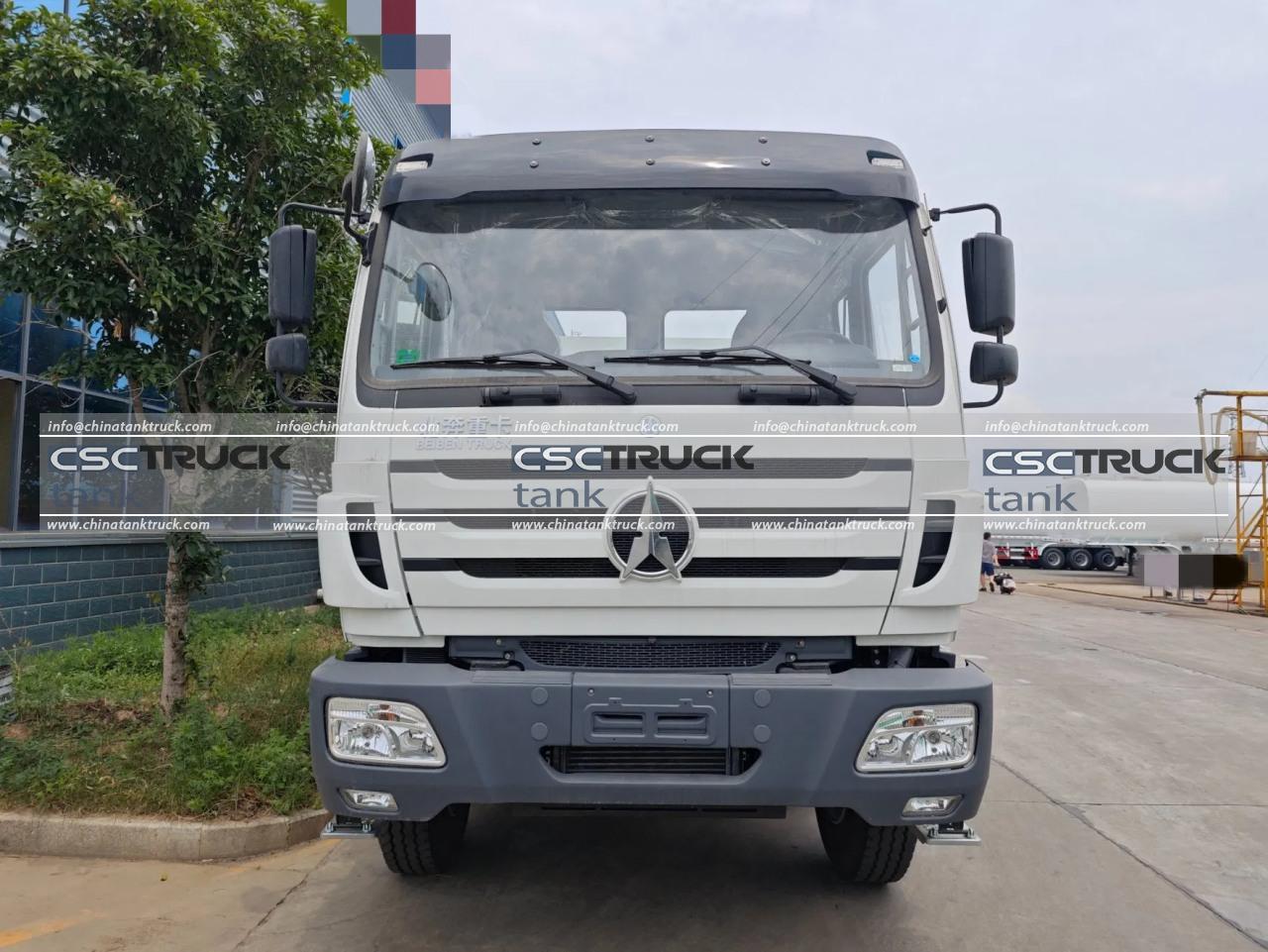
The future of fuel transport lies in digitalization, automation, and eco-efficiency. Several key trends are expected to redefine the industry in the coming decade:
- Telematics and IoT Integration – Real-time monitoring of route, fuel levels, and dispensing operations will improve logistics management and reduce losses.
- AI-Powered Predictive Maintenance – Artificial intelligence will analyze sensor data to predict component failures before they occur.
- Modular Tank Designs – Flexible tank configurations will allow trucks to transport multiple fuel types simultaneously.
- Hybrid and Electric Chassis – Cleaner and quieter powertrains will reduce carbon footprints, especially in urban fuel distribution.
- Automation in Refueling – Robotic arms and automated fueling stations will improve safety and minimize human error.
5. Conclusion
Fuel tank trucks are indispensable assets in the global petroleum logistics network. From driver convenience to safety technology and environmental performance, continuous improvement is crucial for keeping pace with modern energy transport demands. User feedback highlights a clear direction: the next generation of fuel tank trucks must be smarter, safer, lighter, and more sustainable.
Manufacturers who listen to operators’ real-world experiences and integrate these improvement ideas will not only enhance operational efficiency but also strengthen customer trust and compliance with evolving safety standards. Ultimately, the fusion of innovation and user-centered design will ensure that fuel tank trucks remain reliable backbones of energy delivery—powering industries, transportation, and everyday life with efficiency and confidence.