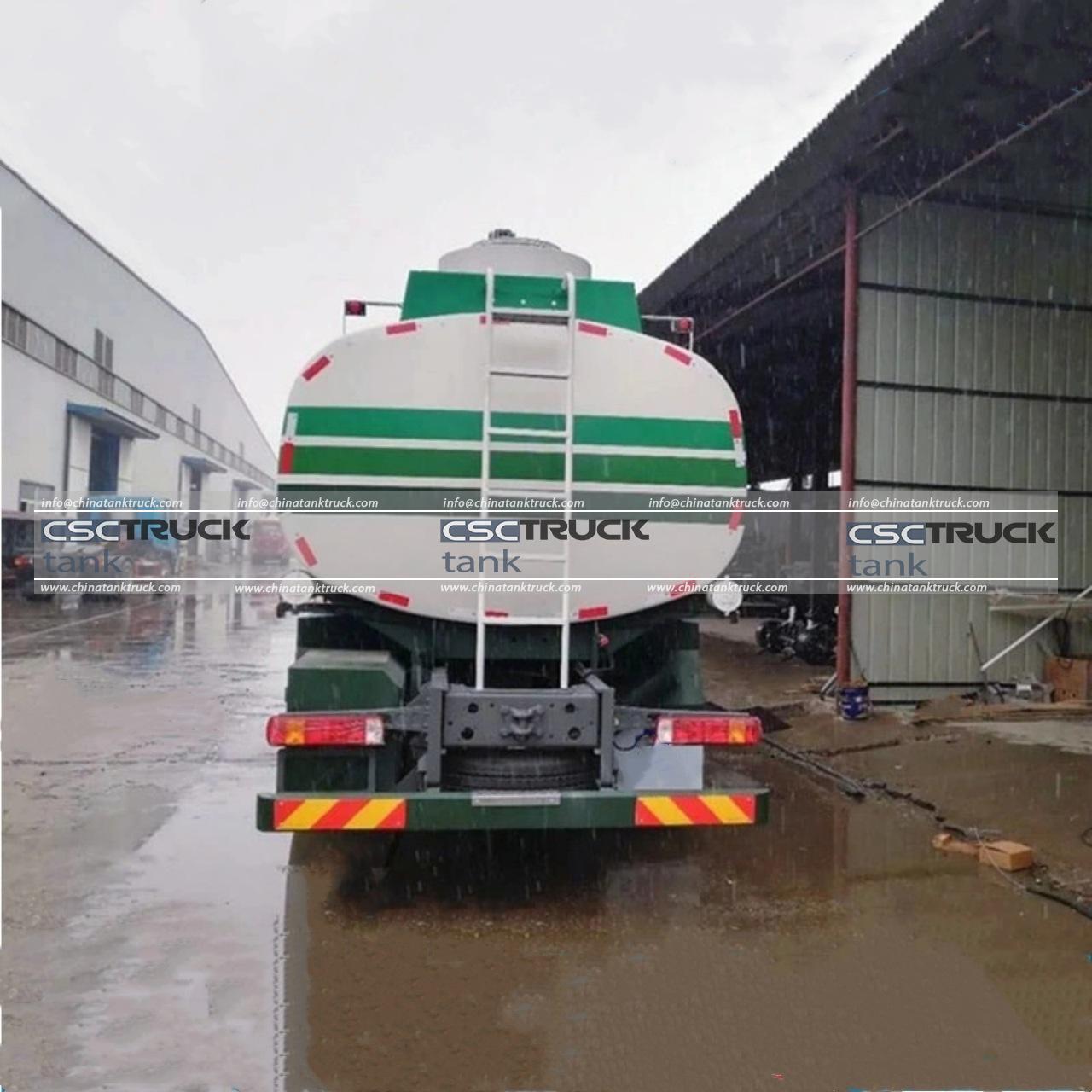
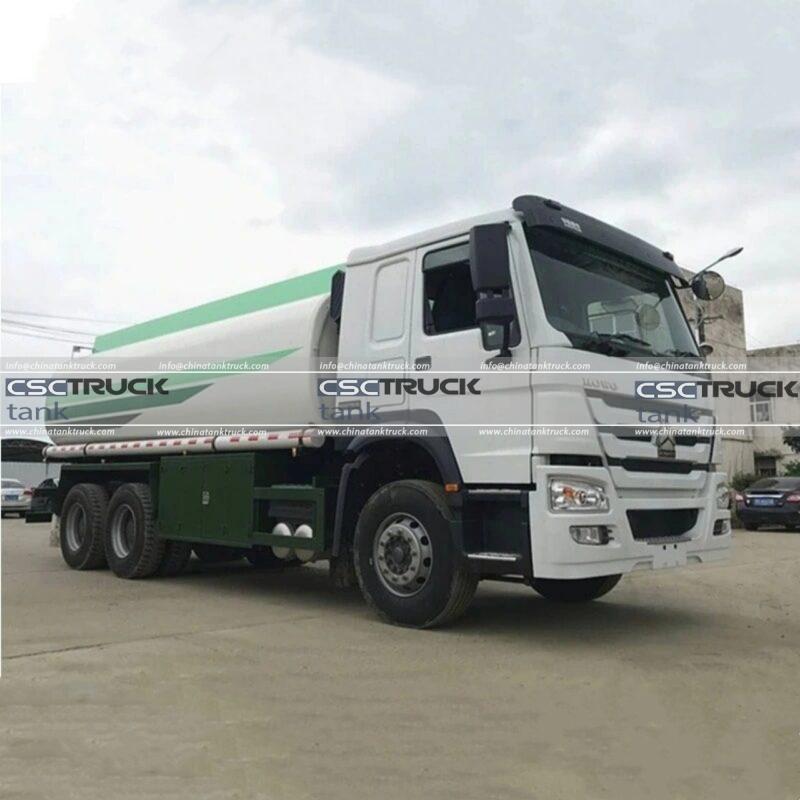
The transportation of chemicals is a crucial yet highly sensitive operation in global logistics. Every day, thousands of chemical tank trucks travel highways carrying acids, solvents, bases, flammable liquids, and other hazardous materials to industries, laboratories, and refineries. These trucks are engineered for safety, compliance, and efficiency—but users across various industries have provided valuable feedback and suggested improvements to make chemical transport even safer and more reliable.
This article compiles user experiences, reviews, and recommendations to help manufacturers and operators improve the performance, safety, and reliability of chemical tank trucks for modern logistics operations.
1. Growing Importance of Chemical Tank Trucks
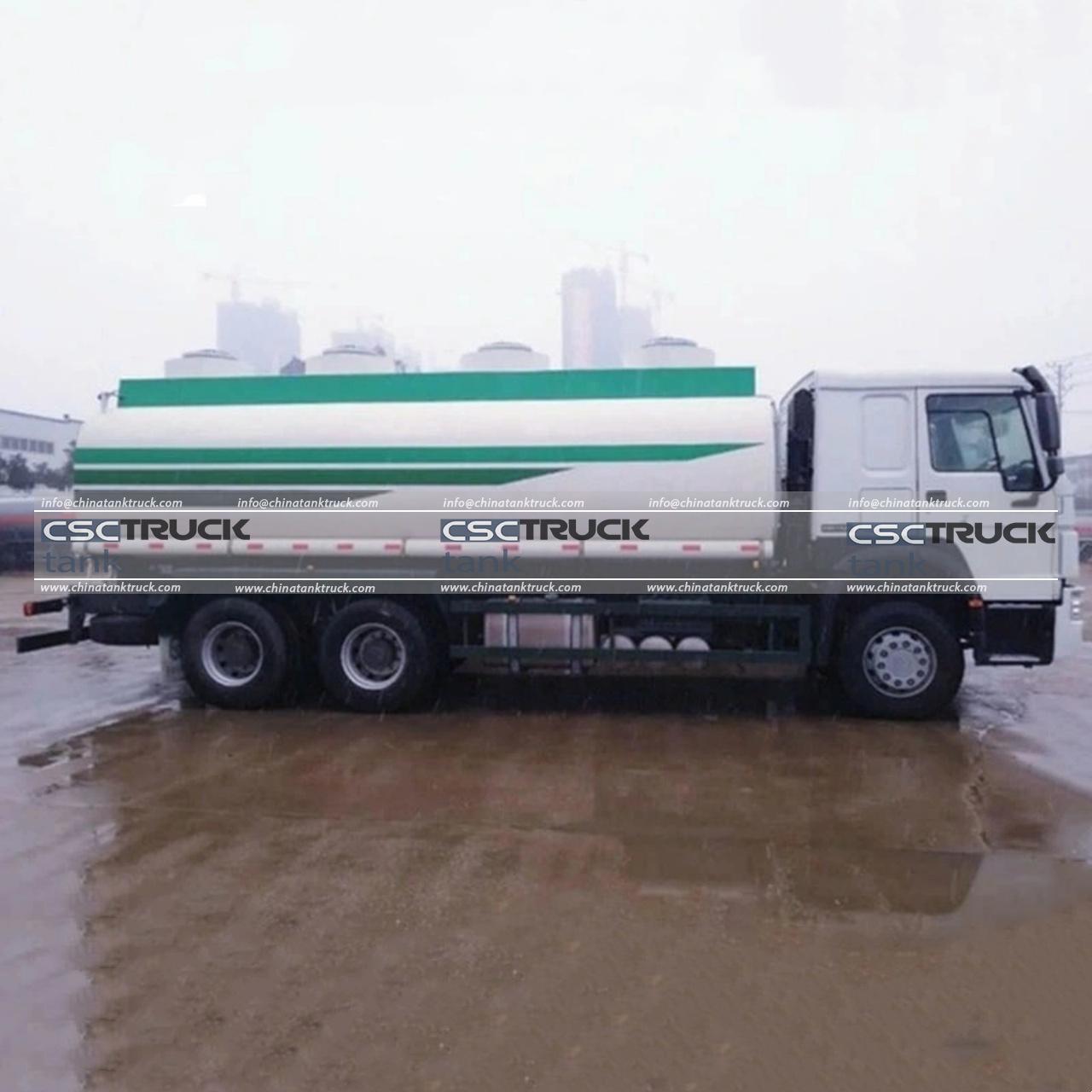
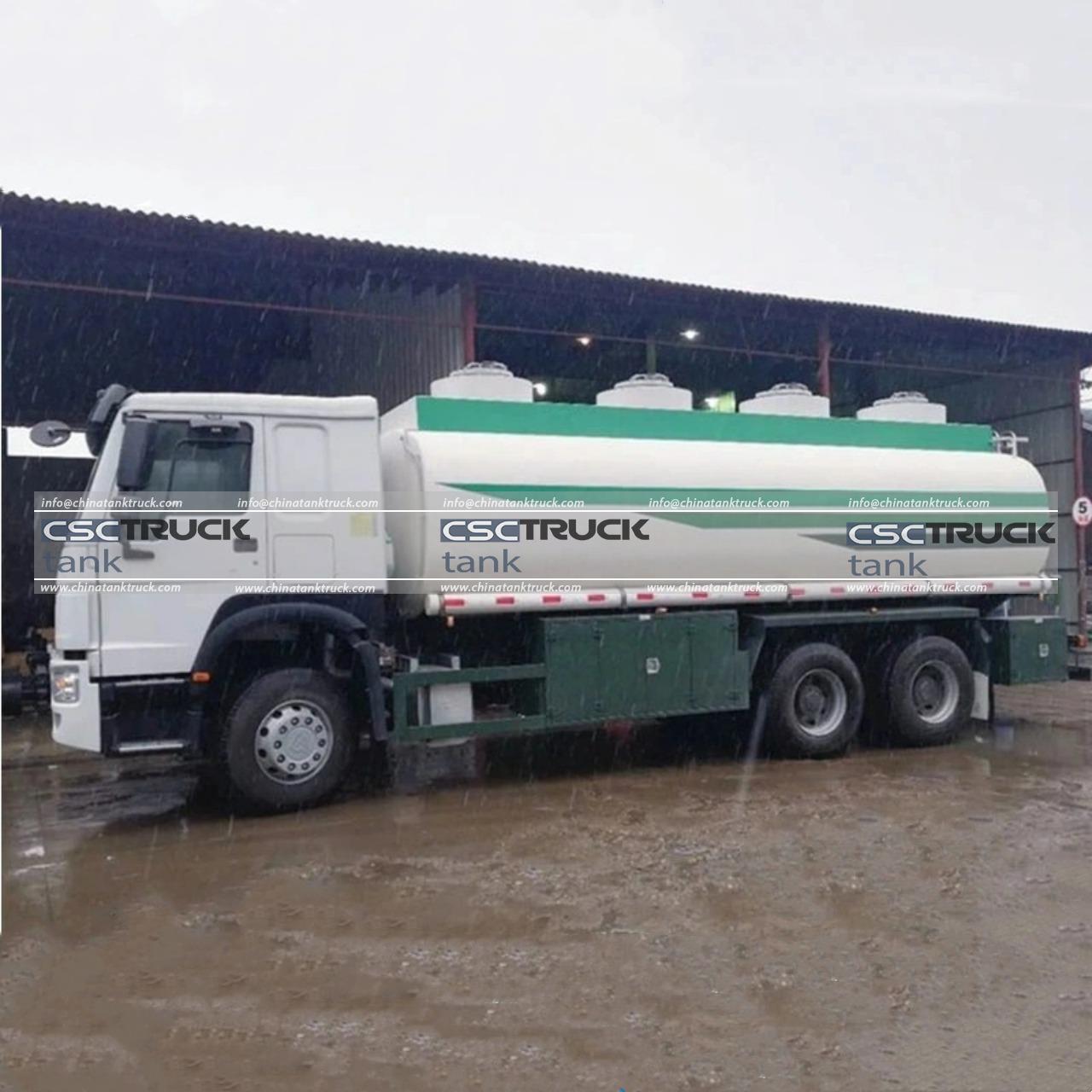
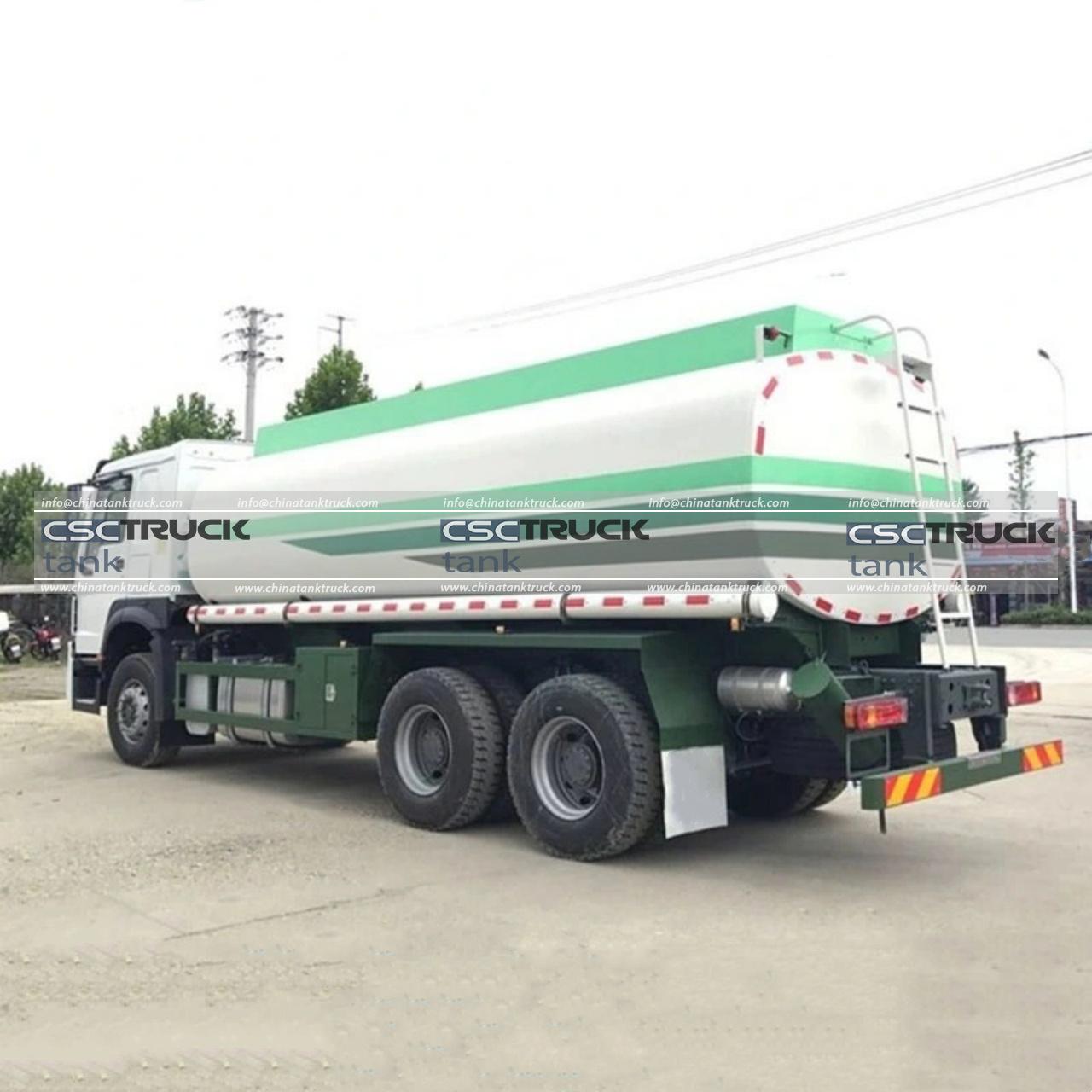
Chemical tank trucks play a vital role in ensuring that industrial and commercial operations run smoothly. They are designed with corrosion-resistant tanks, pressure relief systems, specialized linings, and temperature control features to accommodate a wide variety of chemicals—ranging from hazardous acids to food-grade cleaning solutions.
However, as regulations tighten and industries demand cleaner and more efficient logistics, users are calling for smarter, safer, and more reliable solutions. Their feedback provides a roadmap for manufacturers to innovate and meet new global standards.
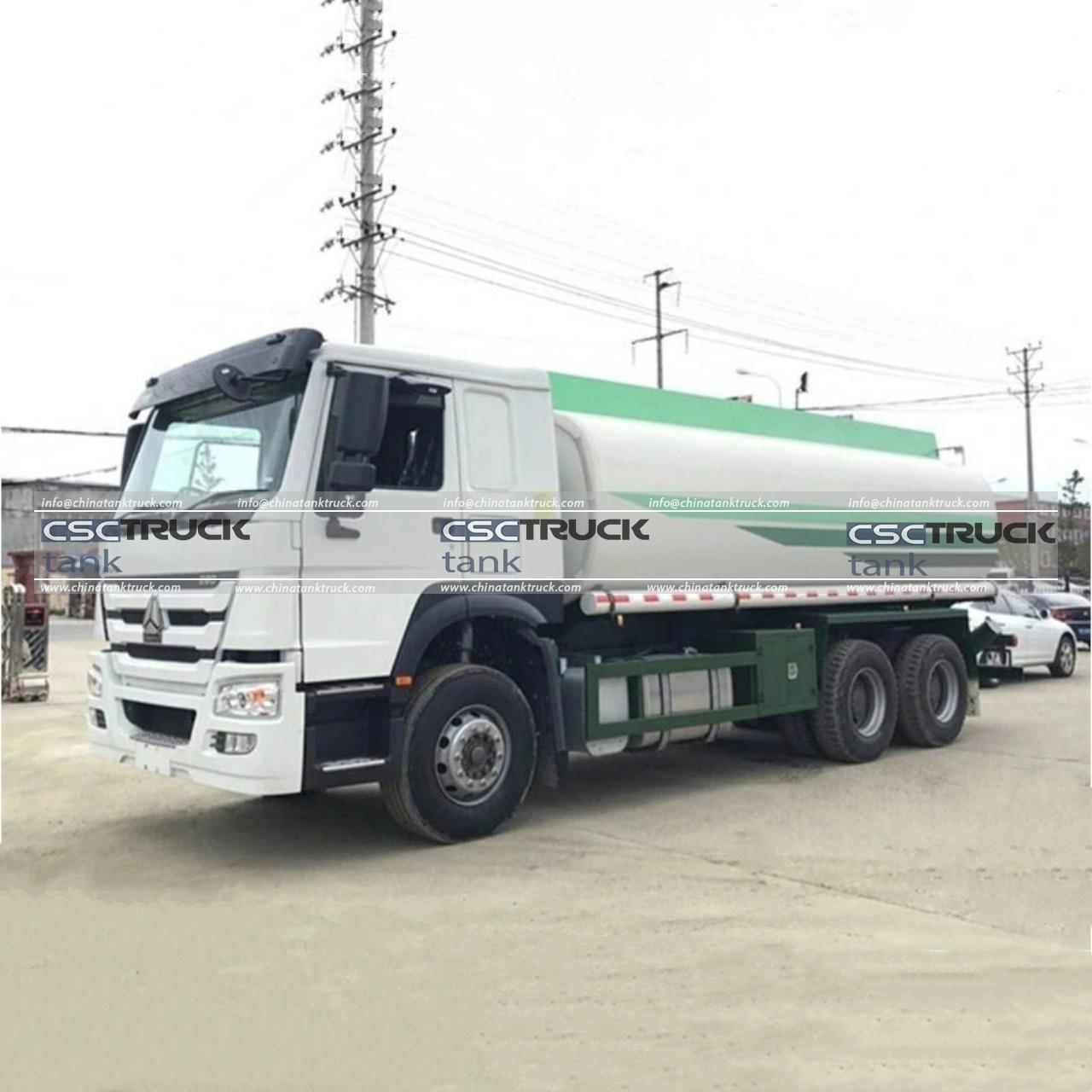
2. User Feedback: Common Challenges in Chemical Transport
Operators and fleet managers report several ongoing challenges when using chemical tank trucks. These include:
- Corrosion and Tank Integrity: Even with stainless steel or lined tanks, exposure to aggressive chemicals like hydrochloric acid or sulfuric acid over time can lead to corrosion or pitting. Users have requested improved anti-corrosion coatings and more frequent integrity monitoring.
- Safety in Loading and Unloading: Many users emphasize the need for better safety mechanisms during loading and unloading operations, as these are the most accident-prone stages. Operators have suggested features like automatic emergency shutoff valves, remote control discharge systems, and anti-overflow sensors.
- Driver Safety and Training: Chemical transport requires specially trained drivers, but some users note that inconsistent training standards across regions lead to safety risks. Users recommend more standardized safety certification programs and simulation-based driver training.
- Tank Cleaning and Maintenance: Cleaning tanks between loads is essential to prevent contamination. Users express frustration with time-consuming cleaning processes and recommend self-cleaning systems or automated washing stations to improve efficiency.
- Temperature Control: For chemicals that must remain within specific temperature ranges, users suggest more reliable thermal insulation and integrated temperature monitoring with digital readouts accessible to both the driver and dispatch center.
These recurring themes form the foundation for improvement and innovation in chemical tank truck design.
3. Suggested Design Improvements
Based on industry user feedback, several design upgrades can make chemical tank trucks safer and more efficient.
a) Advanced Tank Materials
While stainless steel remains the industry standard, users are recommending composite materials or multi-layer tanks that combine corrosion resistance with lighter weight. The use of fluoropolymer linings or rubber-lined carbon steel can extend tank life and reduce maintenance costs.
b) Enhanced Pressure and Leak Monitoring
Modern users expect real-time leak detection and pressure monitoring systems. Integrating IoT-based sensors that alert operators to abnormal pressure levels, leaks, or temperature fluctuations can significantly improve safety and response time.
c) Intelligent Control Systems
Users suggest adopting digital control panels that provide data on loading volume, temperature, pressure, and valve status. Linking these systems with fleet management software can help monitor truck performance, prevent overload, and schedule predictive maintenance.
d) Better Manhole and Valve Design
Improperly sealed manholes and worn-out valves are frequent causes of small leaks or vapor escapes. Users recommend double-seal manhole covers, spring-loaded pressure relief valves, and flame arrestors for trucks transporting flammable chemicals.
e) Fire and Spill Protection Systems
User recommendations also include the installation of onboard fire suppression systems, spill containment trays, and static grounding systems to prevent ignition during transfer operations.
4. Enhancing Operational Safety
Safety is the highest priority in chemical transport, and users have provided strong feedback on how to improve it.
- Improved Emergency Response Readiness: Users advocate for chemical tank trucks to carry emergency kits, including absorbent materials, neutralizers, and portable fire extinguishers.
- GPS Tracking and Safety Alerts: Fleet operators suggest integrating GPS tracking with geofencing and emergency alert features, allowing instant notification if the truck deviates from its route or detects abnormal conditions.
- Driver Fatigue Monitoring: Some users recommend using AI-assisted driver fatigue monitoring systems that alert both driver and dispatch in case of drowsiness, helping prevent accidents caused by human error.
- Regular Inspection Protocols: Operators emphasize the importance of digital maintenance logs and routine pressure testing to ensure tanks remain leak-proof and compliant with regulations such as ADR, DOT, or IMDG standards.
5. Sustainability and Efficiency Considerations
Environmental responsibility is another growing area of concern. Users increasingly expect eco-friendly design solutions that reduce emissions, energy use, and chemical waste.
a) Lightweight Construction
By adopting aluminum or composite tank structures, manufacturers can reduce the truck’s overall weight, thereby improving fuel efficiency and decreasing emissions.
b) Energy-Efficient Pumping Systems
Users suggest the development of hydraulic or electric-driven pumping systems that consume less fuel and minimize product spillage.
c) Vapor Recovery and Emission Control
To prevent chemical vapor loss and air pollution, users recommend integrating vapor recovery units (VRUs) and carbon filter systems to capture and neutralize fumes during loading and unloading.
d) Recyclable Materials and Modular Design
Several users also highlight the potential of modular tank designs, allowing for easier maintenance, repair, or replacement of components without discarding the entire tank.
6. The Role of Technology and Automation
As industries move toward smart logistics, automation, and technology integration have become key areas of focus.
Users suggest that chemical tank trucks incorporate:
- Telematics systems for real-time monitoring of route, load conditions, and performance.
- Automatic braking and collision avoidance systems for safer road operation.
- AI-driven maintenance scheduling, using predictive analytics to detect wear and corrosion before they lead to leaks.
- Digital documentation systems allow easy access to transport permits, chemical data sheets (MSDS), and safety certificates via onboard tablets.
These digital innovations not only improve operational efficiency but also enhance compliance and traceability across the chemical supply chain.
7. User Expectations for the Future
From the feedback collected, it’s clear that users expect chemical tank trucks of the future to be more:
- Automated and connected, ensuring better monitoring and communication.
- Environmentally sustainable, with reduced emissions and waste.
- Standardized globally, meeting harmonized safety and performance criteria.
- Human-centered, with improved comfort, visibility, and safety for drivers.
Manufacturers who listen to these voices and adapt their designs accordingly will lead the next wave of innovation in the chemical transport industry.
8. Conclusion
The chemical tank truck industry stands at the intersection of safety, technology, and sustainability. While current designs already meet rigorous international standards, user suggestions reveal clear paths for improvement—from enhanced corrosion resistance and real-time monitoring to smarter automation and eco-friendly materials.
Listening to operator feedback and incorporating technological advancements will not only protect people and the environment but also strengthen customer trust in chemical transport operations. In the years ahead, safer, smarter, and more reliable chemical tank trucks will play an even greater role in supporting global industry and sustainable logistics.