
Milk tank trucks are an essential part of the dairy supply chain, transporting fresh milk from farms, collection centers, and dairy cooperatives to processing plants. Their capacity directly affects transportation efficiency, operating costs, route planning, and milk quality management.
But what is the typical capacity of a milk tank truck? The answer depends on the vehicle configuration, road conditions, dairy production volume, and local weight regulations. In general, milk tank trucks can range from 3,000 liters for small collection vehicles to 30,000 liters or more for large bulk milk tankers.
What Is a Milk Tank Truck?
A milk tank truck, also called a milk tanker, milk lorry, or bulk milk collection truck, is a specialized vehicle designed to transport raw milk under hygienic and temperature-controlled conditions.
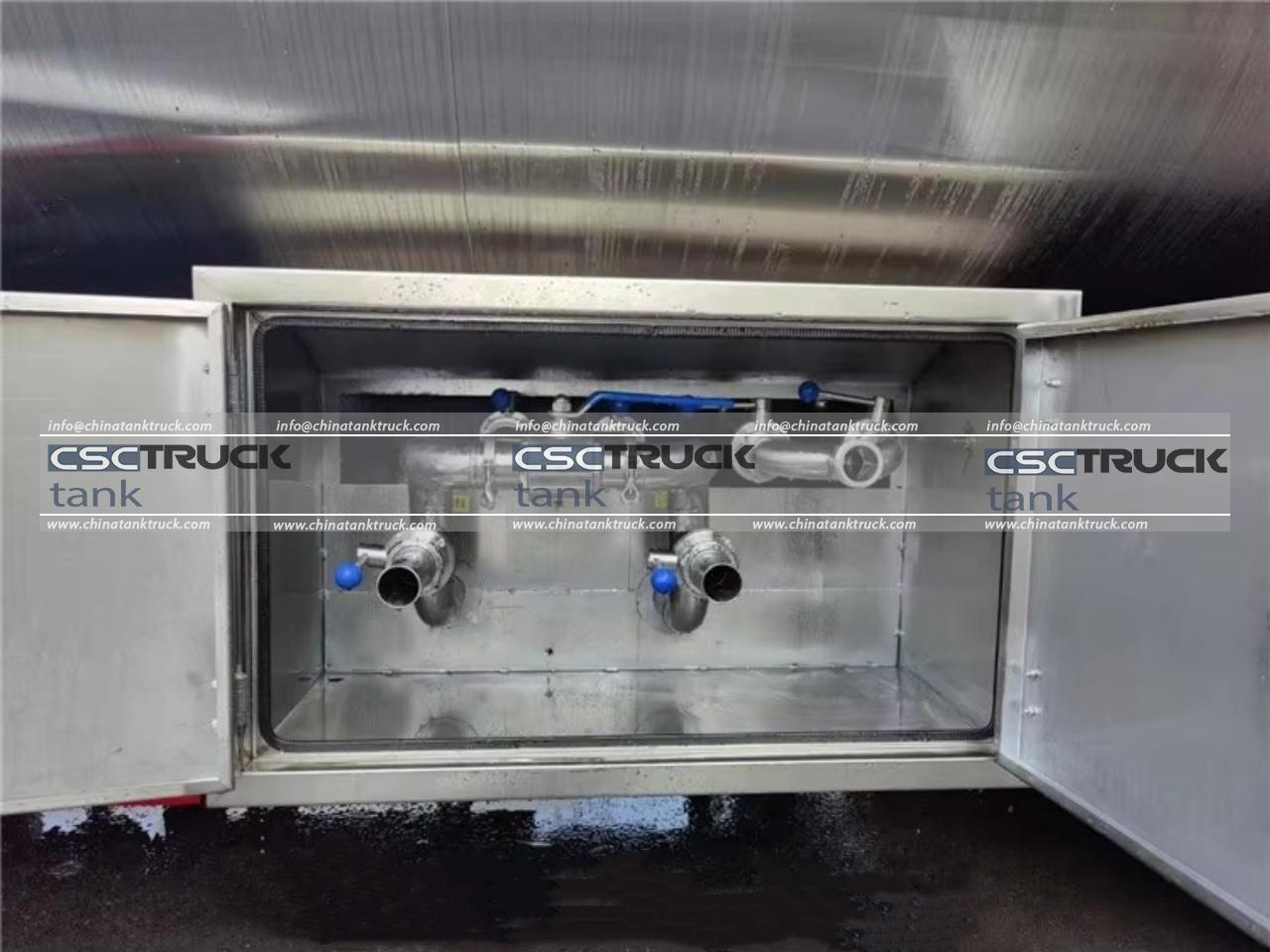
Unlike ordinary liquid cargo trucks, milk tankers typically use food-grade stainless steel tanks, insulated walls, sanitary piping, pumping systems, and cleaning equipment. These features help prevent contamination and maintain milk quality during transportation.
Milk is a highly perishable product, so the tanker must be designed not only to carry a large volume but also to protect the product throughout the journey.
Typical Milk Tank Truck Capacity
There is no single standard capacity for every milk tanker. However, the following ranges are commonly used in the dairy transportation industry:
| Milk Tank Truck Type | Typical Capacity | Main Application |
|---|---|---|
| Small collection truck | 3,000–8,000 liters | Small farms and rural collection |
| Medium milk tanker | 8,000–16,000 liters | Regional milk collection |
| Large rigid milk tanker | 16,000–20,000 liters | High-volume farm collection |
| Semi-trailer milk tanker | 20,000–30,000 liters | Long-distance bulk transportation |
| Special high-capacity tanker | 30,000–40,000+ liters | Large-scale dairy logistics |
For many markets, a 10,000-liter, 15,000-liter, 20,000-liter, or 25,000-liter milk tank truck is a practical configuration. Larger articulated tankers may carry approximately 27,000–30,000 liters, depending on axle configuration and legal gross vehicle weight.
1. Small Milk Tank Trucks: 3,000–8,000 Liters
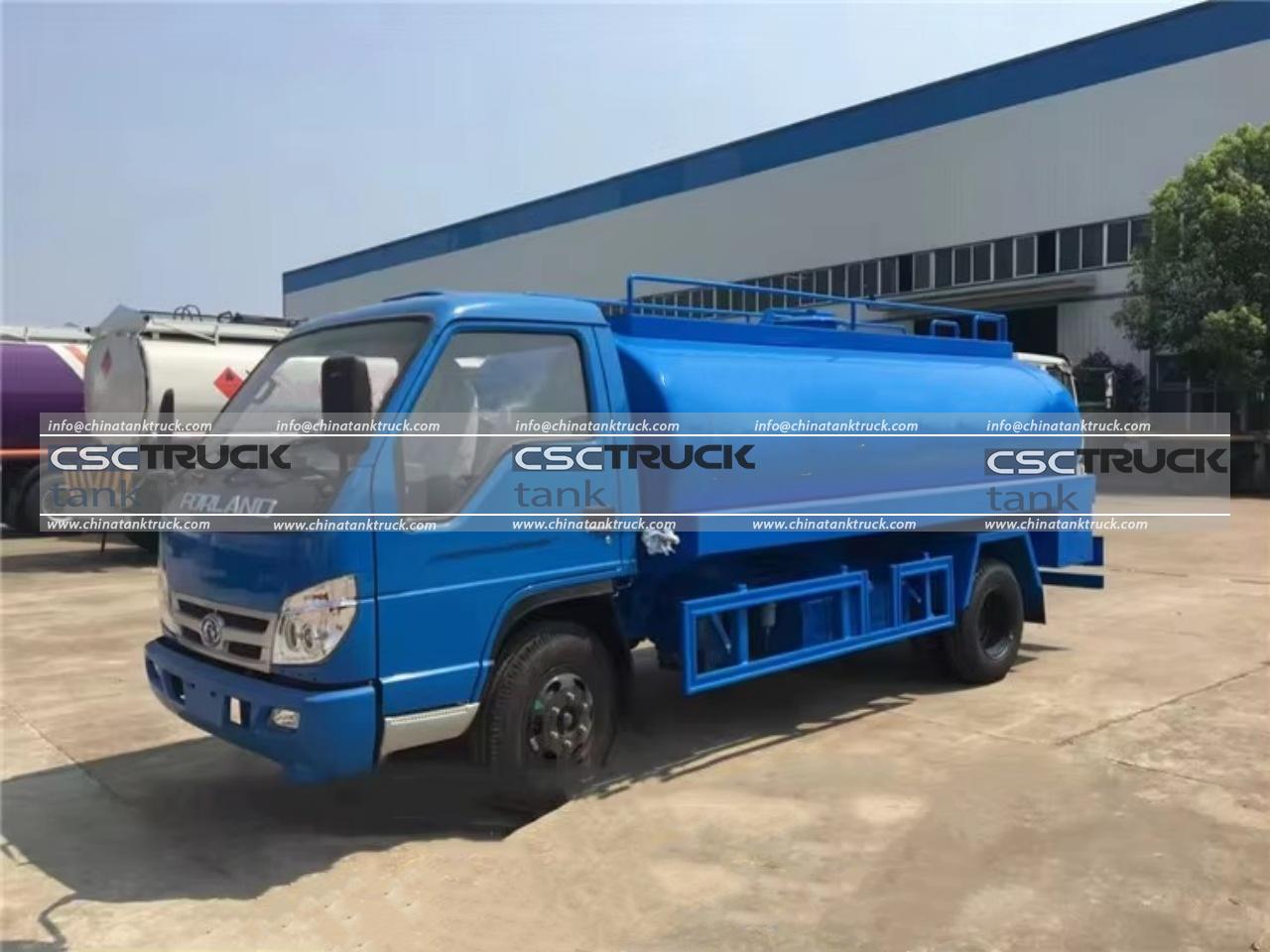
Small milk tank trucks are mainly used for collecting milk from small farms or multiple farms located in rural areas.
They are particularly useful where roads are narrow, farms are scattered, or local infrastructure cannot support large trucks. A smaller chassis provides better maneuverability and easier access to farm entrances.
Typical applications include:
- Collecting milk from small dairy farms
- Transporting milk to nearby collection stations
- Serving mountainous or rural regions
- Short-distance transportation
- Supporting small dairy cooperatives
A 5,000-liter milk tanker, for example, can provide a good balance between payload capacity and accessibility.
2. Medium Milk Tank Trucks: 8,000–16,000 Liters
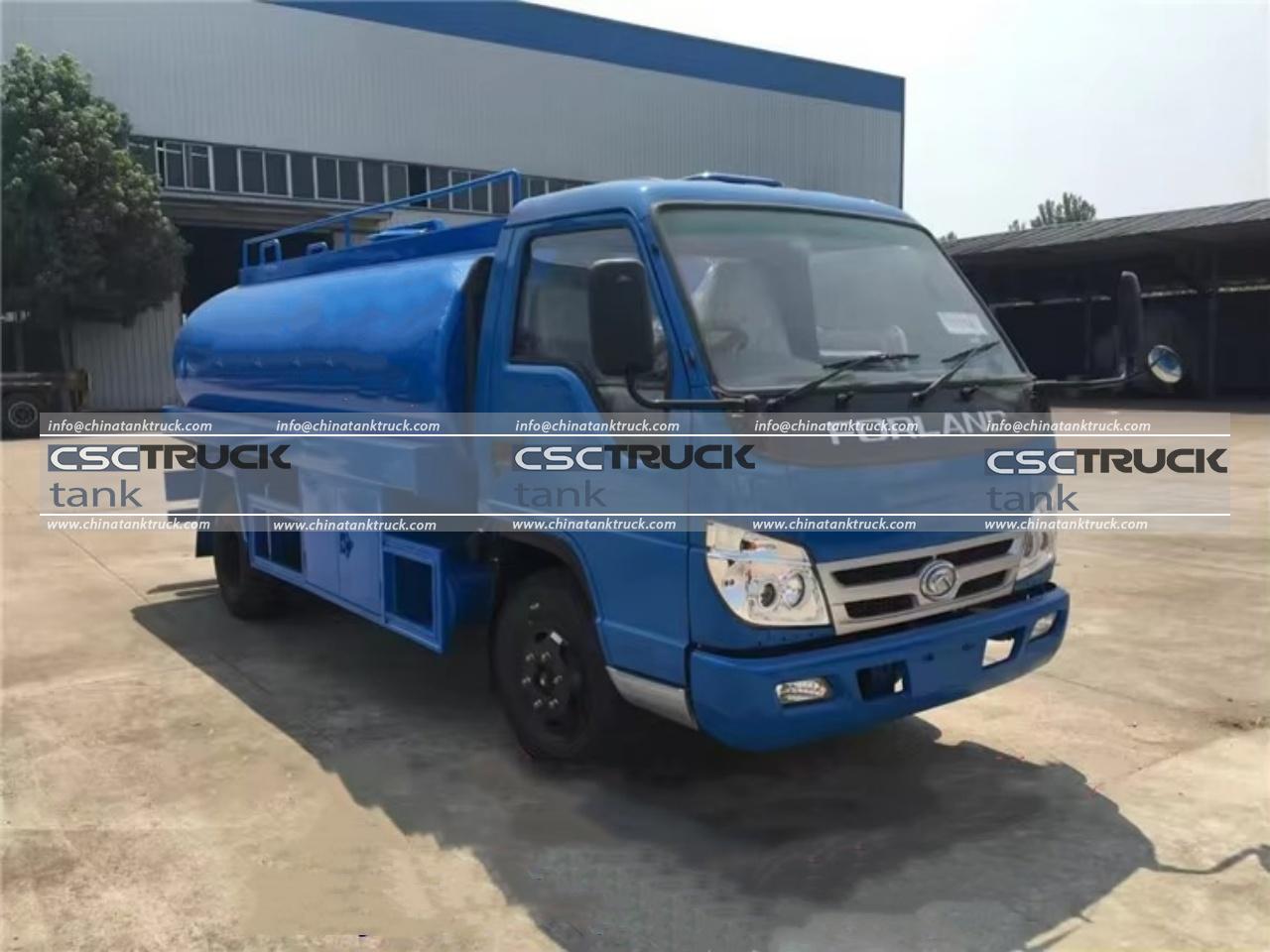
Medium-capacity milk tankers are among the most versatile configurations in the industry. They are suitable for regional milk collection and transportation between farms, collection centers, and processing facilities.
These trucks generally offer:
- Greater collection efficiency than small tankers
- Good maneuverability on regional roads
- Moderate operating and maintenance costs
- Flexible chassis options
- Sufficient capacity for several farm pickups
An 8,000-liter or 10,000-liter milk tank truck is often suitable for smaller dairy operations, while a 12,000-liter or 15,000-liter model may be better for areas with higher milk production.
3. Large Rigid Milk Tankers: 16,000–20,000 Liters
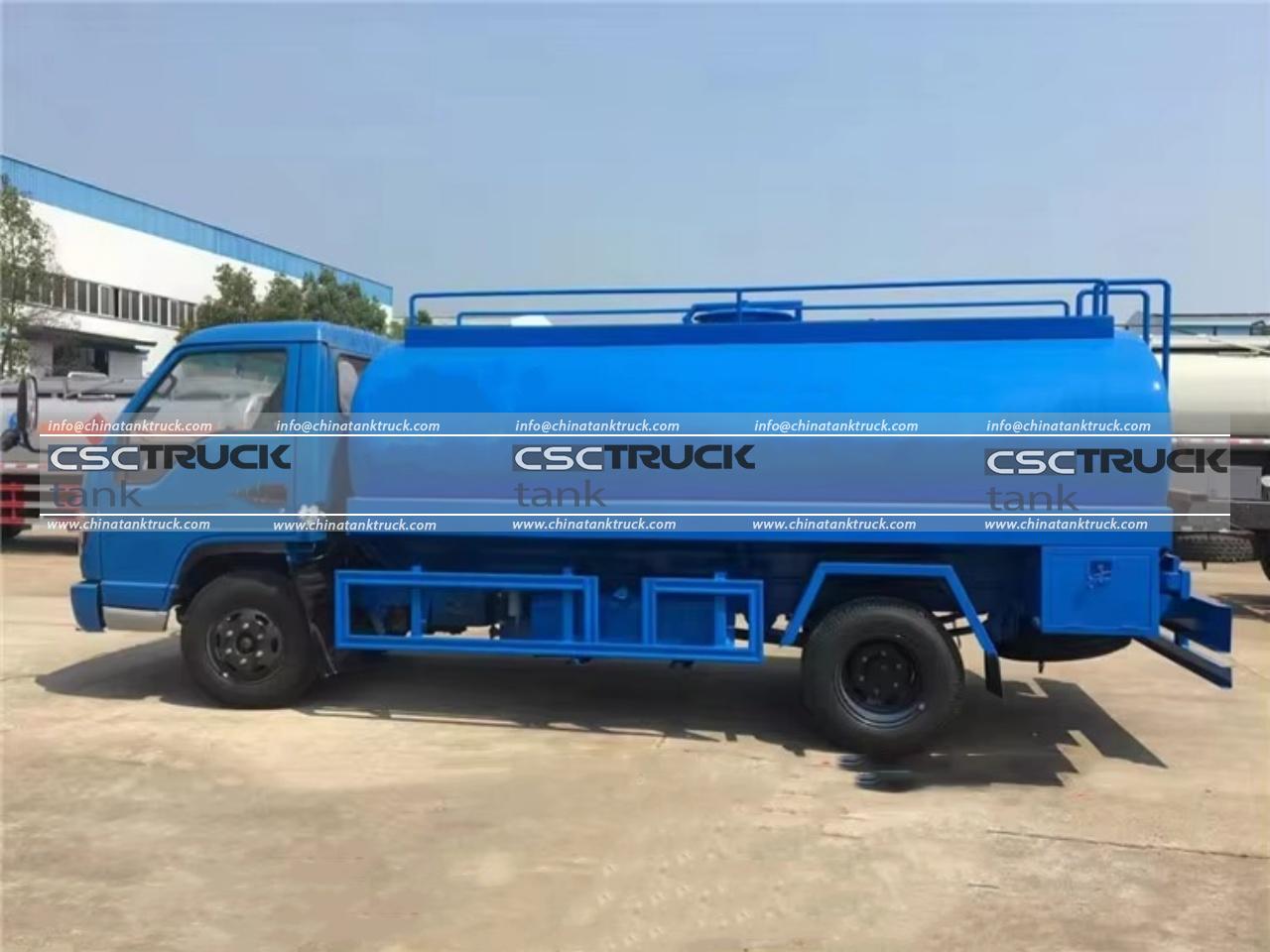
Large rigid milk tank trucks use a single truck chassis with the tank mounted directly behind the cab. They are designed for high-volume collection while maintaining better maneuverability than a semi-trailer.
These vehicles are commonly used when milk must be collected from several farms during one route and delivered to a processing plant or central dairy facility.
A 20,000-liter rigid milk tanker may be suitable for:
- Large dairy farms
- Regional milk collection networks
- Cooperative dairy operations
- Medium-distance transportation
- Areas where semi-trailers are difficult to operate
The final capacity depends on the chassis, number of axles, tank dimensions, and local road weight limits.
4. Semi-Trailer Milk Tankers: 20,000–30,000 Liters
Semi-trailer milk tankers are generally used for long-distance transportation. They consist of a tractor unit and a detachable insulated milk tank trailer.
Their larger size allows them to transport substantial quantities of milk from collection depots to major processing plants. In many European markets, large milk tankers commonly carry around 25,000–30,000 liters, while other regions may use different capacities based on road regulations.
The main advantages include:
- Lower transportation cost per liter
- Fewer trips between collection centers and factories
- Efficient long-distance logistics
- Large payload capacity
- Better suitability for industrial-scale dairy operations
However, these tankers require suitable roads, loading facilities, turning space, and stronger transport infrastructure.
Why Is Capacity Limited by Weight?
Although tank volume is important, the actual carrying capacity of a milk tanker is strongly affected by weight.
Milk has a density of approximately 1.03 kilograms per liter. This means:
- 10,000 liters of milk weighs approximately 10,300 kg
- 20,000 liters weighs approximately 20,600 kg
- 30,000 liters weighs approximately 30,900 kg
The total vehicle weight also includes:
- Chassis or tractor weight
- Tank weight
- Insulation
- Pumps and piping
- Driver and equipment
- Fuel and accessories
Therefore, a tank may physically hold 30,000 liters, but the truck may not legally be allowed to fill it if the total gross vehicle weight exceeds local regulations. Road limits, axle loads, bridge restrictions, and regional transport laws all influence the practical capacity.
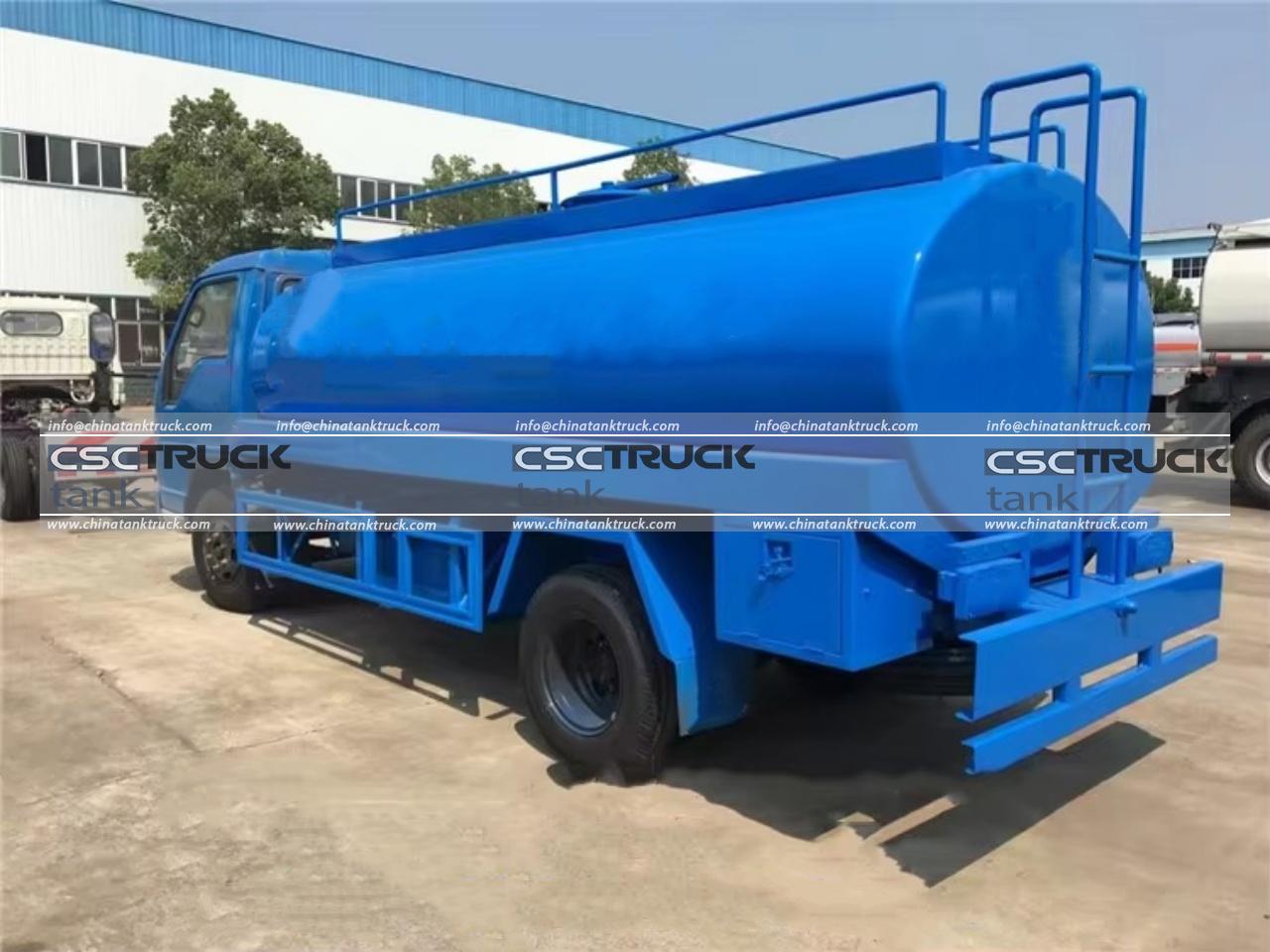
Tank Compartments and Milk Transportation
Many milk tank trucks are equipped with multiple compartments rather than one completely open tank.
Compartmentalization helps:
- Reduce milk sloshing during driving
- Improve vehicle stability
- Separate milk collected from different sources
- Support partial unloading
- Improve load distribution
For example, a 20,000-liter tank might be divided into several compartments depending on the customer’s requirements and the tank manufacturer’s design.
The tank is usually manufactured from sanitary stainless steel, with smooth internal surfaces that make cleaning easier and reduce the risk of bacterial contamination.
How to Choose the Right Milk Tank Truck Capacity
The correct capacity should not simply be the largest available. Buyers should consider several practical factors:
Farm Milk Production
A small dairy farm may not need a 20,000-liter tanker. A 5,000–10,000-liter vehicle may be more economical.
Collection Route
For narrow rural roads, a smaller rigid truck may be more practical. For highways and long-distance routes, a larger tanker can significantly reduce transportation costs.
Processing Plant Distance
Short-distance collection generally favors smaller or medium trucks, while long-distance transportation benefits from larger semi-trailer tankers.
Legal Weight Restrictions
The truck must comply with local GVW and axle-load regulations. This is especially important when selecting a 20,000-liter or larger configuration.
Hygiene and Temperature Requirements
Capacity should never compromise sanitary construction, insulation, cleaning systems, or milk quality protection.
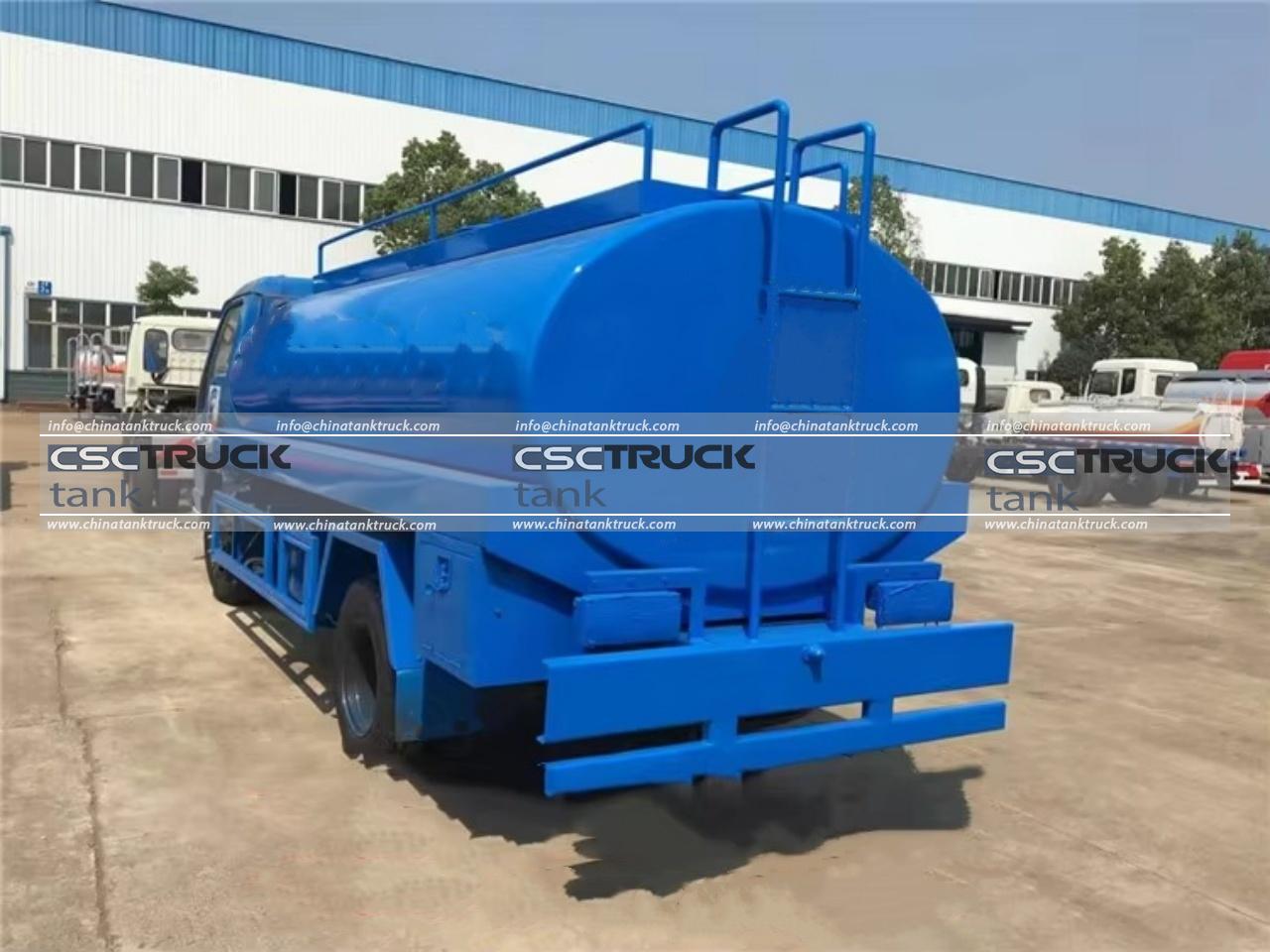
CSCTRUCK China Tank Truck Milk Tank Trucks
CSCTRUCK China Tank Truck supplies specialized milk tank trucks for different dairy transportation requirements.
As a Chinese manufacturer of special-purpose vehicles, CSCTRUCK China Tank Truck can provide milk tanker configurations based on customer requirements, including different tank capacities, truck chassis, compartment layouts, sanitary tank materials, insulation systems, and transportation applications.
Depending on the operating environment, buyers may select compact milk collection trucks for rural farms or larger-capacity tankers for regional and long-distance dairy logistics.
The right configuration should be selected according to milk volume, road conditions, transportation distance, local regulations, and the required level of sanitation.
Conclusion
The typical capacity of a milk tank truck is generally between 3,000 and 30,000 liters, although specialized vehicles may be smaller or larger. Small trucks are ideal for rural collection, medium tankers support regional transportation, and large semi-trailer tankers are designed for bulk milk logistics.
In practice, 10,000–20,000 liters is a common range for rigid milk tank trucks, while 25,000–30,000 liters is typical for many large articulated milk tankers. The best capacity depends not only on tank volume but also on vehicle weight, road conditions, dairy production, and transportation distance.
For dairy businesses planning to purchase a milk tanker, choosing the correct capacity is essential for improving efficiency, protecting milk quality, and reducing the overall cost of milk transportation.