
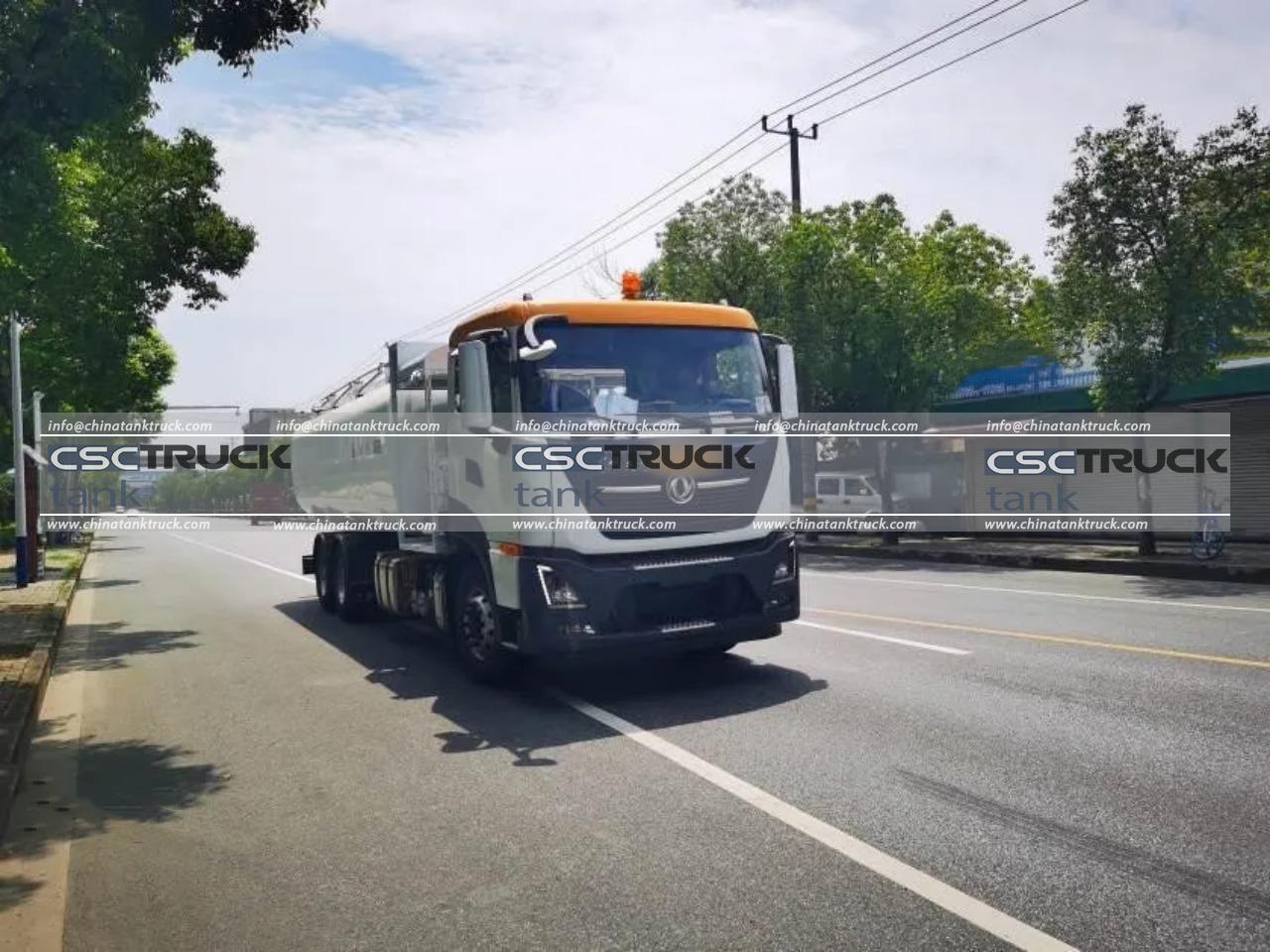
Aviation refuelers are specialized vehicles designed to deliver aviation fuel safely, efficiently, and accurately to aircraft. Because fuel quality and refueling safety directly affect aircraft operations, these vehicles require much more than routine truck maintenance. Operators should perform daily inspections of the chassis, fuel system, hoses, pumps, filters, grounding equipment, and other critical components before beginning refueling operations.
A consistent daily maintenance routine helps identify small problems before they become serious failures, reduces unexpected downtime, and supports safe airport operations. Whether an aviation refueler is used at a commercial airport, military airfield, private aviation facility, or fuel distribution center, preventive inspection should be part of every shift.
About CSCTRUCK China Tank Truck
CSCTRUCK China Tank Truck is a China-based manufacturer and exporter specializing in tank trucks and trailers for fuel, water, chemical, LPG, asphalt, and other transportation applications. Its product range includes dedicated aviation refuelers, with examples such as 12,000-liter Jet A-1 aircraft refuelers and 18,000-liter Jet A-1 refuelers.
CSCTRUCK China Tank Truck integrates research and development, manufacturing, quality control, and after-sales support. The company states that it has more than 20 years of manufacturing experience and exports its tank truck products to more than 50 countries. It also provides customized solutions involving tank capacity, materials, compartments, pumps, and chassis brands.
For operators and fleet managers, however, selecting a quality aviation refueler is only the first step. Proper daily inspection and maintenance are essential for keeping the vehicle reliable throughout its service life.
1. Inspect the Fuel Tank
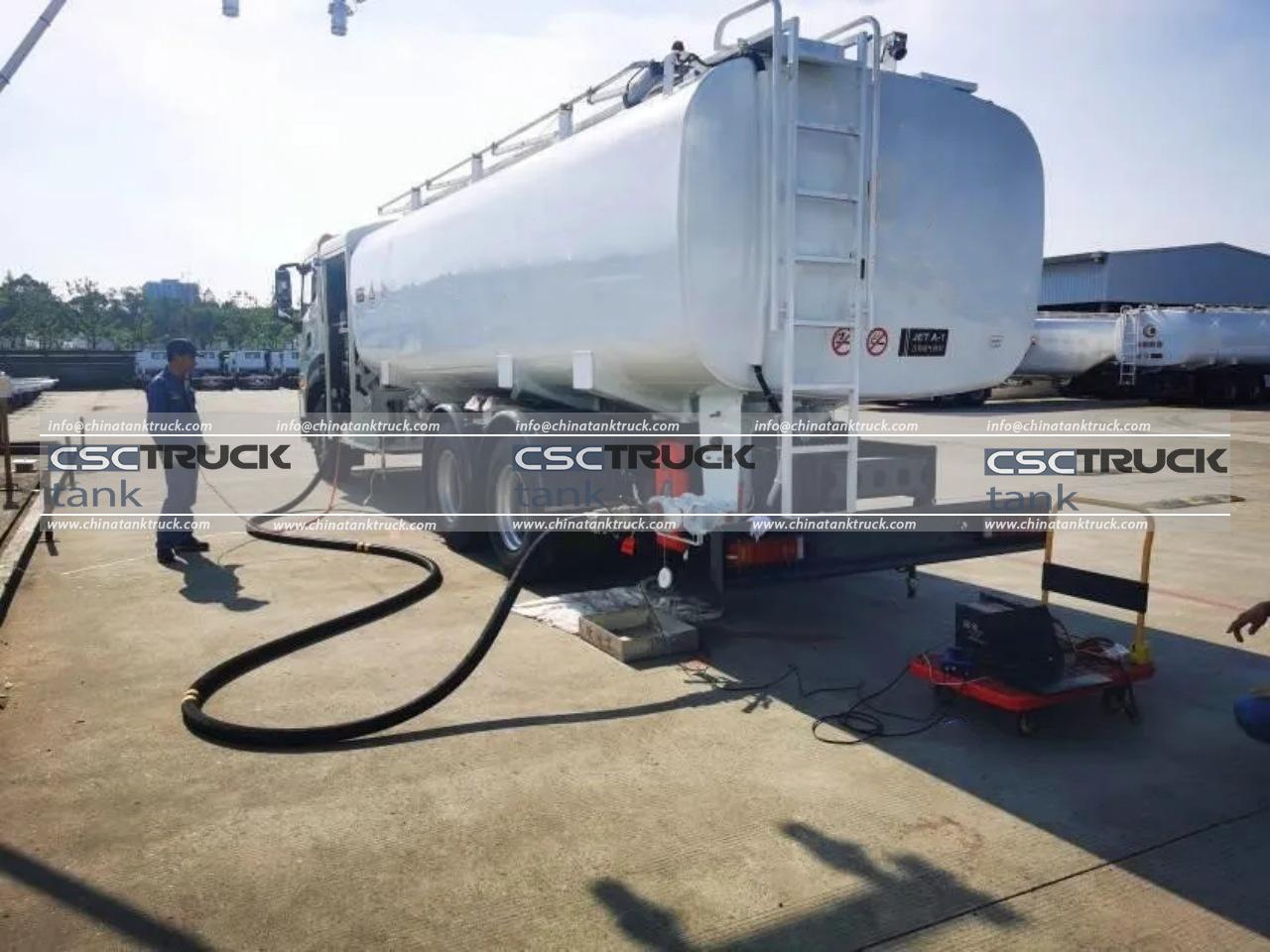
The fuel tank should be visually inspected at the beginning of every working day. Check the tank body, welds, fittings, manholes, valves, and connections for signs of leakage, corrosion, damage, or unusual deformation.
Pay particular attention to areas around valves and pipe connections because loose fittings or damaged seals can result in fuel leakage. Any suspected structural or sealing problem should be reported immediately and handled according to the manufacturer’s maintenance procedures.
The tank exterior should also be kept clean so that cracks, corrosion, and other defects can be identified easily.
2. Check Fuel Hoses and Nozzles
Fuel delivery hoses and refueling nozzles are critical components of an aviation refueler. Before the operation, inspect hoses for cracks, cuts, abrasion, swelling, or other signs of deterioration.
Check hose connections and couplings for looseness or damage. The nozzle should be clean and free from contamination, while its protective cap and other components should be properly secured when not in use.
Never use a hose or nozzle that appears damaged or contaminated. Aviation fuel handling requires strict attention to cleanliness because foreign particles or water can affect fuel quality.
3. Inspect Filters and Fuel Quality
Filters help prevent contaminants from reaching the aircraft fuel system. Operators should inspect filter housings, differential-pressure indicators, drains, and associated connections according to the refueler’s maintenance instructions.
If the system includes a water separator or filter monitor, check it for abnormal indications. Drain water or sediment only according to approved operating procedures.
The fuel itself should also be monitored for signs of water, sediment, or other contamination. Any abnormal fuel-quality indication should be investigated before aircraft refueling continues.
4. Check the Pump and Fuel Delivery System
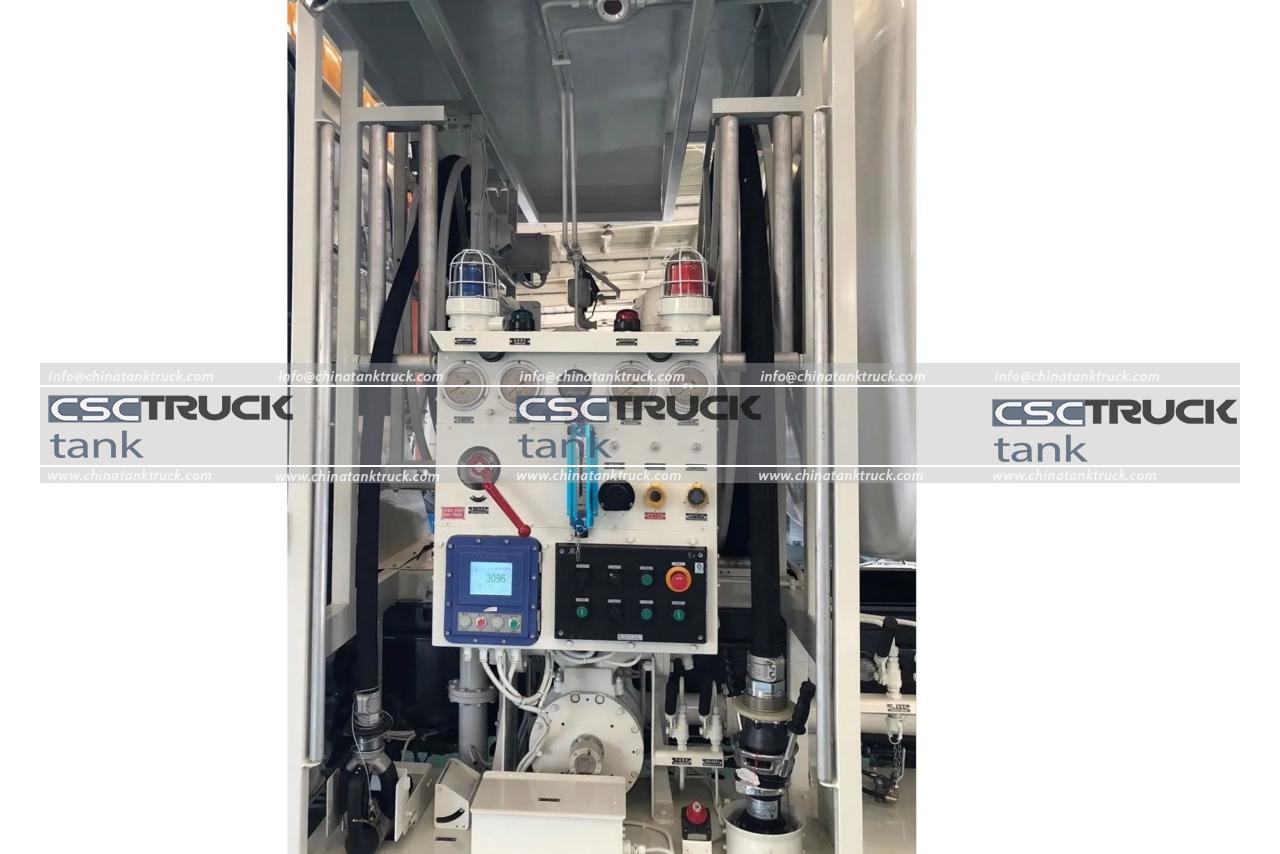
The pump is responsible for moving fuel from the refueler tank to the aircraft. Before the operation, inspect the pump and surrounding piping for leaks, loose connections, unusual noises, or abnormal vibration.
If the vehicle has a pump pressure or flow indicator, confirm that the readings are within the manufacturer’s specified operating range.
During a brief functional check, listen for unusual sounds and observe whether the pump starts and operates smoothly. A sudden change in pressure, flow, vibration, or noise may indicate a developing mechanical problem.
5. Inspect Valves and Actuators
Aviation refuelers contain multiple valves used to control fuel flow. Daily inspection should include manual valves, control valves, emergency shutoff devices, and associated actuators.
Make sure valves move correctly and do not show signs of sticking or leakage. Emergency shutoff systems deserve particular attention because they must function correctly when fuel flow needs to be stopped quickly.
Operators should never bypass or disable a safety device simply because it is inconvenient or slows down the operation. Faulty emergency equipment should be repaired before the vehicle is returned to normal service.
6. Check Grounding and Bonding Equipment
Static electricity is an important safety consideration during fuel handling. Grounding and bonding equipment should therefore be checked before each working shift.
Inspect grounding cables, reels, clamps, and connections for broken wires, excessive wear, corrosion, or other damage. Make sure the grounding equipment is stored correctly and remains readily accessible.
Where the refueler is equipped with an interlock system, verify its proper operation according to the vehicle’s operating instructions. A damaged grounding system should be treated as a serious safety issue and corrected before refueling.
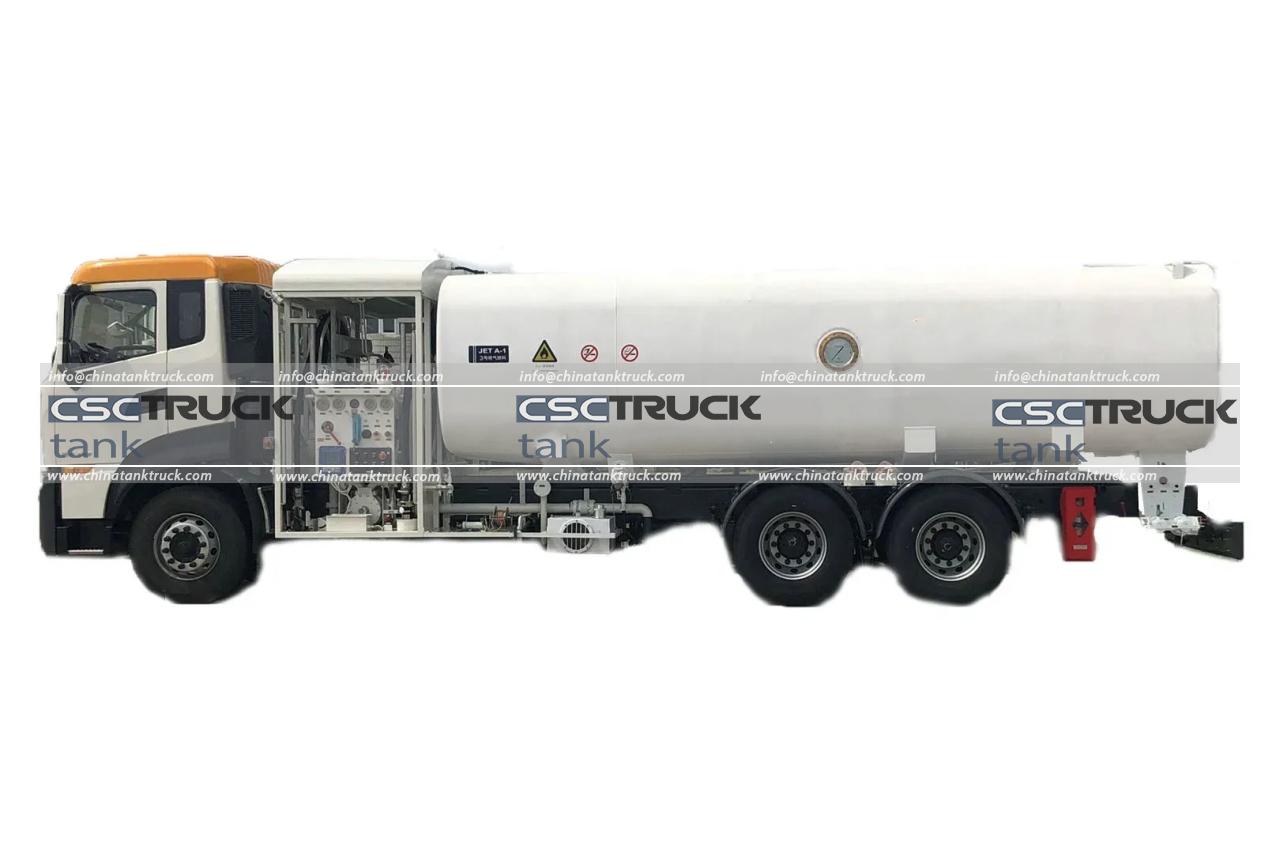
7. Inspect the Chassis, Tires, and Brakes
An aviation refueler is still a heavy commercial vehicle, so chassis maintenance is equally important. Check engine oil, coolant, brake fluid, and other vehicle fluids according to the chassis manufacturer’s maintenance schedule.
Inspect tires for abnormal wear, visible damage, and correct inflation. Check wheel components and look for signs of loose or damaged parts.
The braking system should receive particular attention because refuelers operate around aircraft, fuel facilities, and other expensive equipment. Check for abnormal brake performance, warning indicators, air pressure issues, or unusual sounds.
8. Check the Electrical System and Warning Devices
Inspect batteries, electrical connections, lights, switches, gauges, and warning indicators before operation.
Make sure headlights, brake lights, turn signals, work lights, and warning beacons function correctly. Any dashboard warning light should be investigated rather than ignored.
The electrical system should be kept clean and protected from fuel contamination. Damaged wiring or loose electrical connections can create reliability and safety problems and should be repaired by qualified personnel.
9. Inspect Emergency and Fire-Safety Equipment
Every aviation refueler should have appropriate emergency equipment readily available. Depending on the vehicle configuration and applicable regulations, this may include fire extinguishers, emergency shutoff controls, spill-response equipment, warning signs, and other safety devices.
Check that fire extinguishers are properly mounted, accessible, and within their inspection period. Emergency shutoff controls should also be checked according to approved procedures.
Operators should know where emergency equipment is located and how it is intended to be used. Daily inspection is an opportunity to identify missing, damaged, or expired equipment before an emergency occurs.
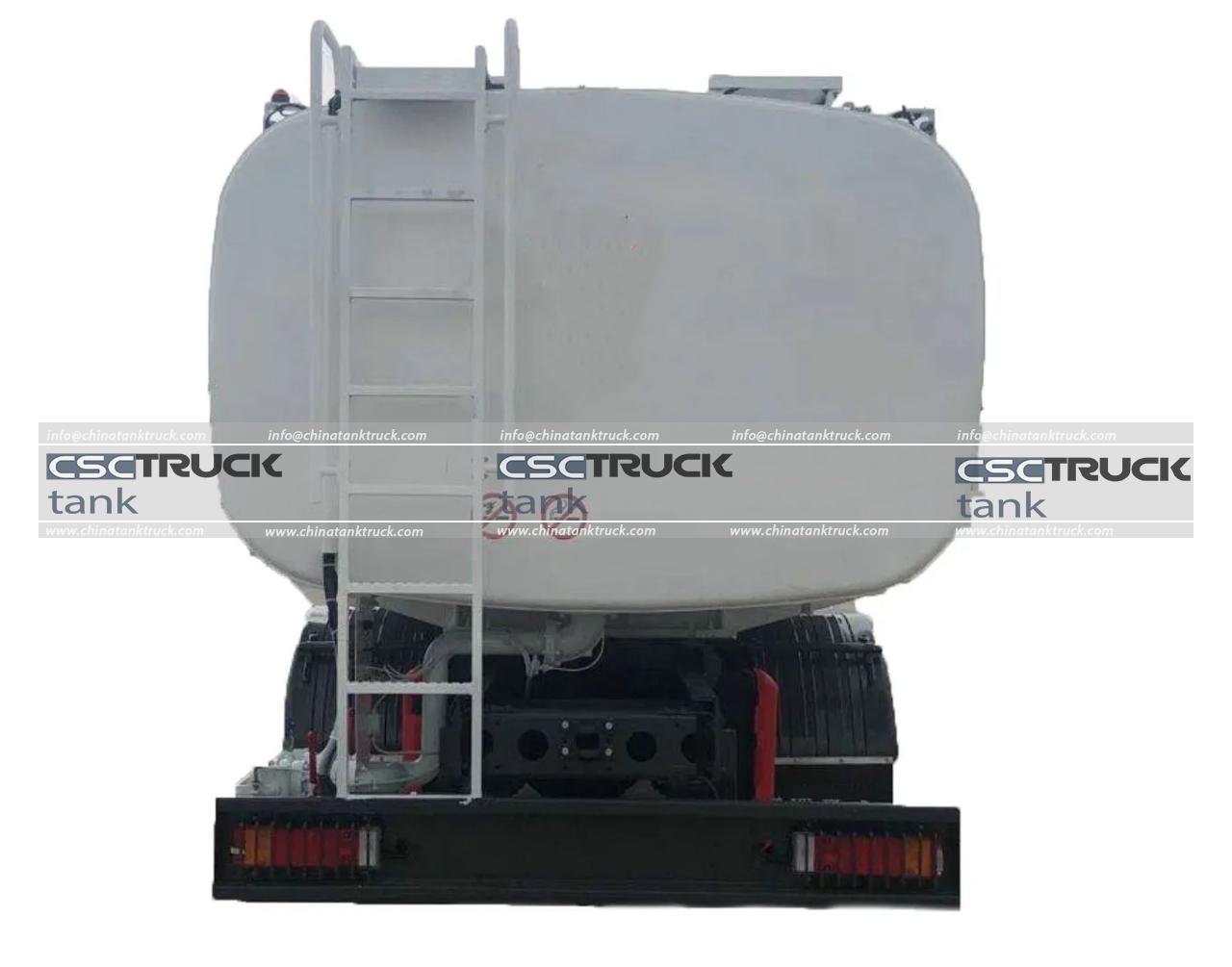
10. Clean the Vehicle and Record Inspection Results
The final daily check should involve cleaning the refueler and documenting the inspection.
Remove dirt, dust, fuel residue, and other contaminants from important areas. A clean vehicle makes it easier to detect leaks, corrosion, loose fittings, and other abnormalities.
After completing the inspection, record the results in a maintenance or daily inspection log. Include any defects discovered, corrective actions taken, and components requiring further attention.
A good maintenance record allows fleet managers to identify recurring problems and schedule preventive maintenance before failures occur.
Conclusion
Daily maintenance checks are one of the simplest ways to improve the safety, reliability, and service life of an aviation refueler. Checking the fuel tank, hoses, filters, pump, valves, grounding equipment, chassis, electrical system, emergency equipment, and overall cleanliness can help operators identify problems before they affect aircraft refueling operations.
The most effective approach is to make inspection a standardized part of every shift rather than treating maintenance as something that only happens after a failure. Operators should always follow the refueler’s manufacturer instructions, airport procedures, applicable aviation-fuel standards, and local safety regulations.
For companies looking for specialized fuel transportation equipment, CSCTRUCK China Tank Truck offers aviation refuelers and other customized tank truck solutions for international markets. Its aviation refueler range and broader tank truck manufacturing capabilities provide options for organizations requiring reliable equipment for fuel transportation and aircraft refueling applications.