
Introduction to CSCTRUCK China Tank Truck
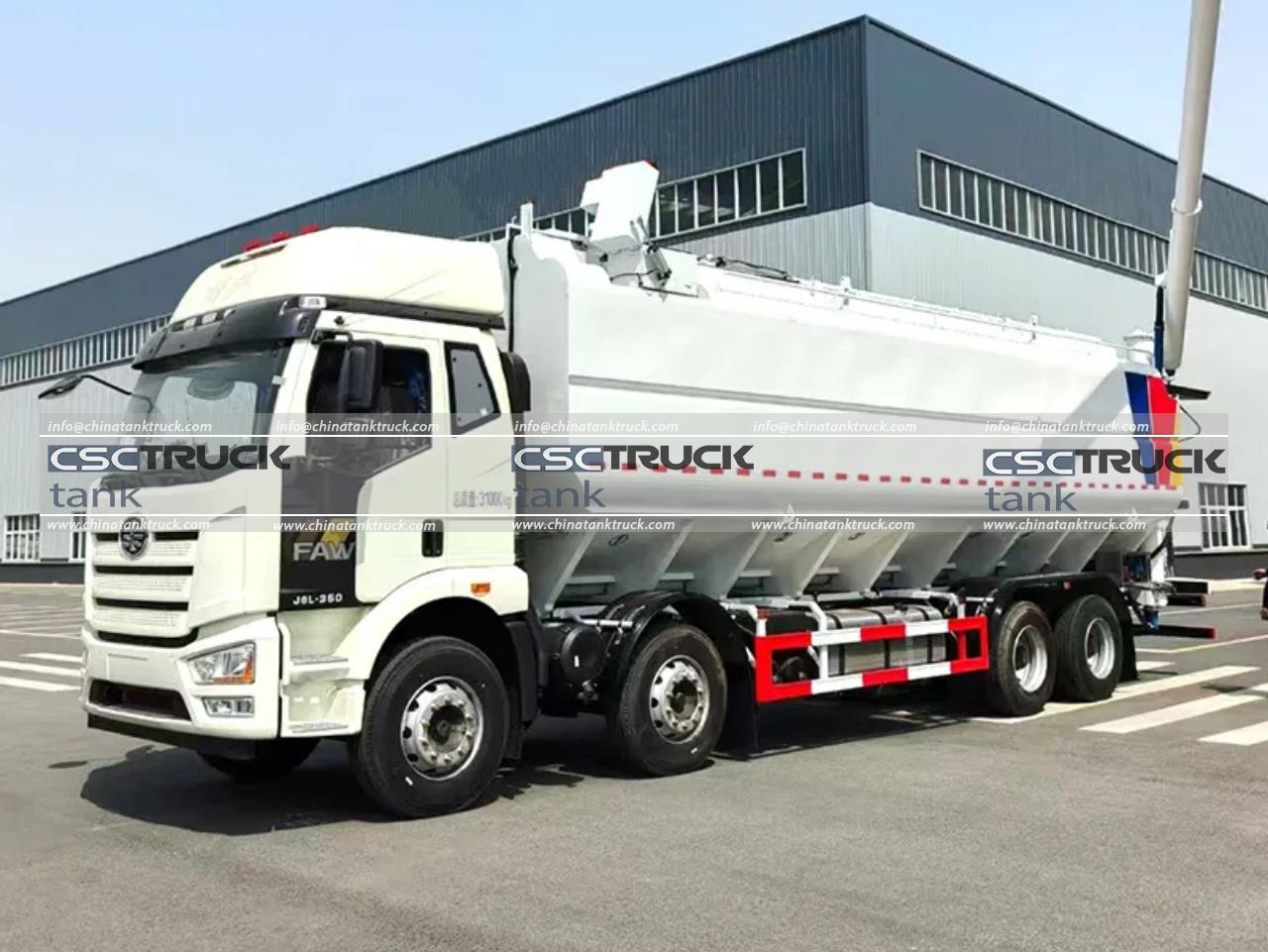
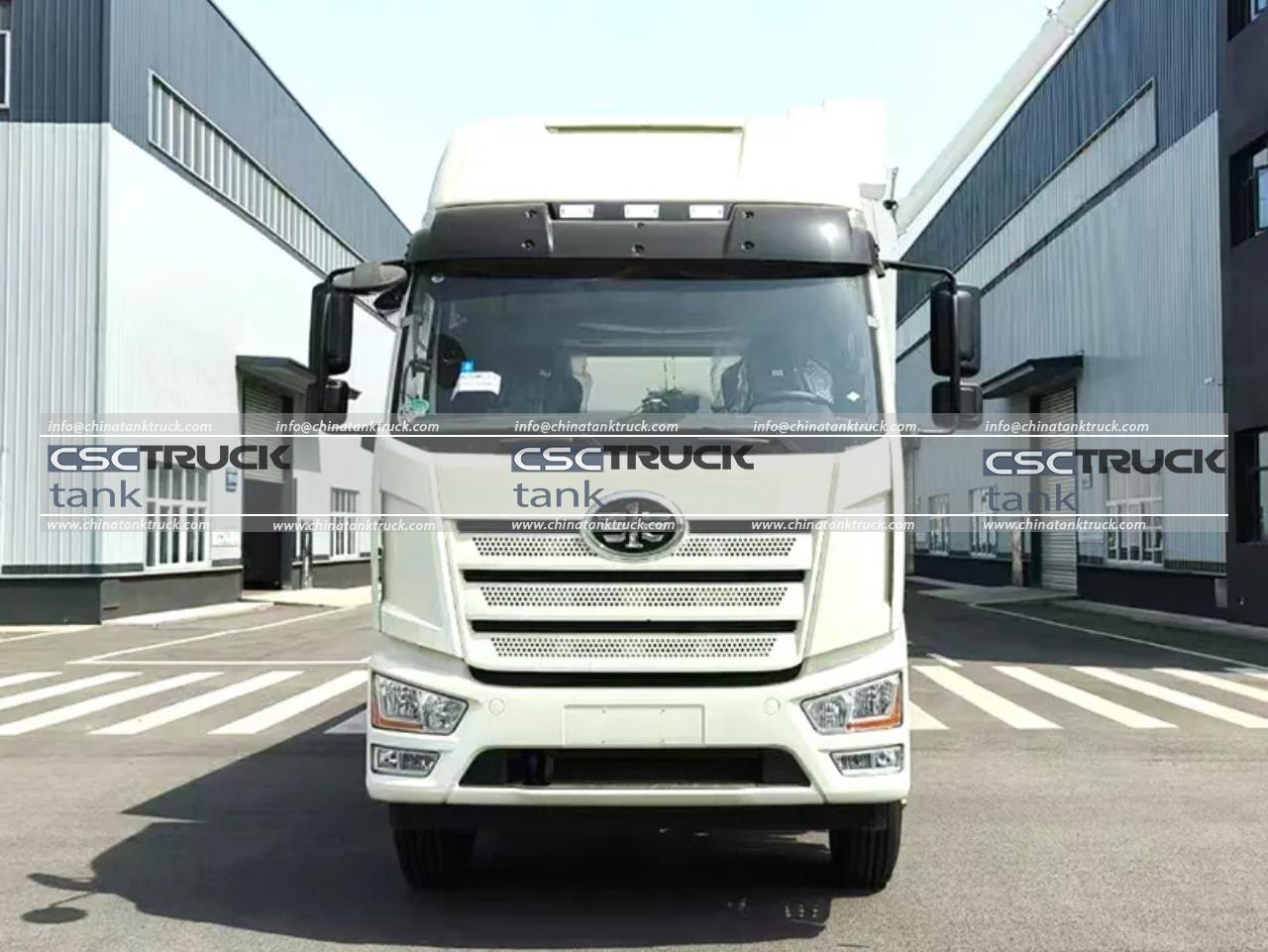
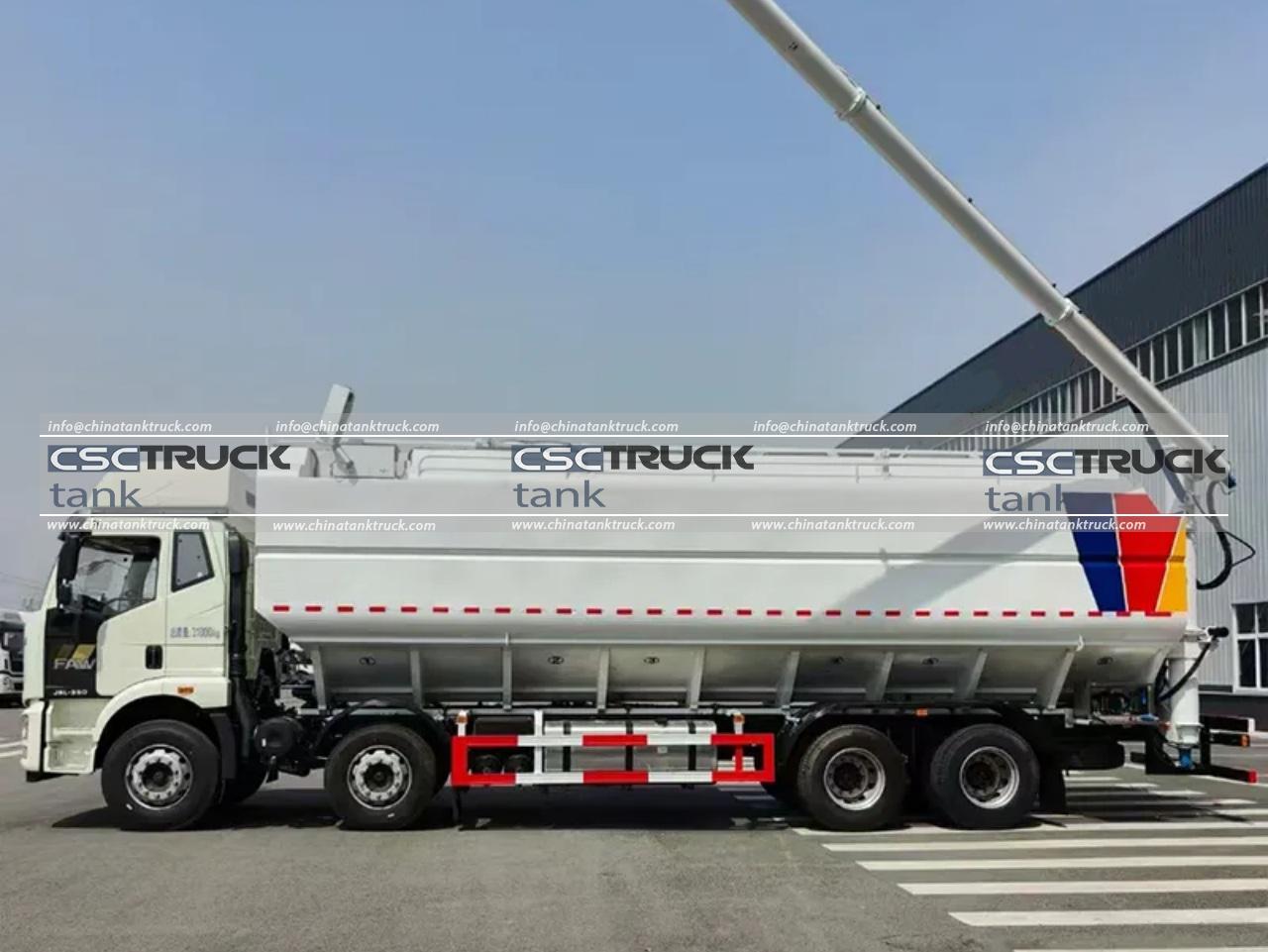
As a professional manufacturer and exporter of specialized vehicles, CSCTRUCK China Tank Truck provides a wide range of tank trucks designed for global transportation and industrial applications. Its product range includes fuel tank trucks, water tank trucks, chemical tank trucks, milk tankers, LPG tank trucks, and pneumatic tank trucks for bulk powder transportation.
Pneumatic tank trucks, also known as dry bulk tankers, rely on a powerful air compressor or blower system to unload materials such as cement, fly ash, lime powder, alumina, and other dry bulk products. The air compressor is the heart of the unloading system because it generates compressed air that fluidizes and pushes the material from the tank to the receiving silo.
Because the pneumatic unloading process depends heavily on stable air pressure and airflow, proper maintenance of the air compressor is essential. Regular inspection and servicing can improve unloading efficiency, reduce downtime, extend equipment life, and prevent expensive repairs.
Why Air Compressor Maintenance Is Important for Pneumatic Tank Trucks
The air compressor installed on a pneumatic tank truck operates under demanding conditions. Unlike workshop compressors, truck-mounted compressors often work outdoors, in dusty environments, and during long transportation cycles. Continuous operation, vibration, temperature changes, and material dust can gradually affect compressor performance.
A poorly maintained compressor may cause:
- Slow unloading speed
- Insufficient discharge pressure
- Increased fuel consumption
- Overheating problems
- Abnormal noise and vibration
- Damage to valves, bearings, or seals
- Unexpected vehicle downtime
Regular maintenance helps maintain stable air delivery and ensures that the pneumatic tanker can complete unloading operations efficiently. Air compressor maintenance practices commonly include checking lubrication, draining moisture, inspecting filters, and checking for leaks.
1. Check Compressor Lubrication Regularly
Most pneumatic tank truck compressors use oil lubrication systems to reduce friction between moving components. Proper lubrication is critical because the compressor operates at high speed and under heavy loads.
Operators should regularly check:
- Oil level
- Oil quality
- Oil leakage
- Lubrication lines
- Oil filter condition
If the oil level is too low, internal components such as bearings, gears, and rotors may experience excessive wear. If the oil becomes contaminated with dust or moisture, it may lose its protective ability.
The recommended oil replacement interval depends on the compressor model, working environment, and operating hours. Operators should always follow the manufacturer’s maintenance instructions and use suitable compressor oil.
2. Clean and Replace the Air Filter
The air intake filter prevents dust, sand, and other particles from entering the compressor. Pneumatic tank trucks often work at construction sites, cement plants, mines, and industrial facilities where airborne dust is common.
A blocked air filter can restrict airflow and force the compressor to work harder, resulting in:
- Lower air output
- Higher operating temperature
- Increased energy consumption
- Reduced unloading performance
The air filter should be inspected frequently and cleaned or replaced when necessary. In extremely dusty environments, more frequent replacement may be required.
3. Drain Moisture from the System
Compressed air naturally produces moisture during compression and cooling. If moisture accumulates inside the compressor system or air lines, it can cause corrosion, reduce air quality, and affect pneumatic unloading performance.
For pneumatic tank trucks, moisture control is especially important because wet air may cause powder materials to stick inside the pipeline or tank, reducing unloading efficiency.
Maintenance procedures include:
- Checking moisture separators
- Opening drain valves regularly
- Removing accumulated water
- Inspecting air pipelines for corrosion
Keeping the compressed air system dry helps maintain smooth material flow during unloading.
4. Inspect Belts, Couplings, and Drive Components
The compressor of a pneumatic tanker is usually powered through the truck engine PTO (power take-off) system. The connection between the vehicle and compressor must operate reliably.
Operators should inspect:
- Drive belts
- PTO connection
- Couplings
- Gearbox components
- Mounting brackets
Loose belts or damaged couplings can reduce compressor speed and cause unstable pressure output.
Signs of drive system problems include:
- Unusual vibration
- Squealing sounds
- Reduced unloading pressure
- Excessive heat around moving parts
Any damaged components should be repaired immediately to avoid secondary failures.
5. Check Air Pressure and Safety Devices
The pneumatic tank truck unloading system depends on correct pressure control. Operators should regularly check:
- Pressure gauges
- Pressure relief valves
- Air control valves
- Pipeline connections
- Discharge valves
The pressure relief system is especially important because it prevents dangerous overpressure conditions. Safety valves should never be blocked, modified, or ignored.
Before operation, drivers should confirm that all pressure instruments are functioning correctly.
6. Inspect Air Pipes and Connections for Leakage
Air leakage is one of the most common causes of poor pneumatic tanker performance. Even small leaks can reduce unloading efficiency and increase compressor workload.
Regular inspections should include:
- Rubber hoses
- Pipe joints
- Flanges
- Sealing rings
- Valve connections
Common signs of air leakage include:
- Hissing sounds
- Slow pressure buildup
- Longer unloading time
- Compressor running continuously
Replacing damaged hoses and tightening loose connections can significantly improve system efficiency.
7. Keep the Compressor Clean
Dust and material residue can accumulate around the compressor housing, cooling surfaces, and moving components. A dirty compressor may experience poor heat dissipation and increased operating temperature.
Regular cleaning should include:
- Removing dust buildup
- Cleaning cooling surfaces
- Checking ventilation areas
- Removing oil contamination
A clean compressor is easier to inspect and helps prevent overheating problems.
8. Follow a Preventive Maintenance Schedule
A good maintenance schedule helps prevent unexpected failures. A typical pneumatic tanker compressor maintenance plan may include:
Daily Checks
- Check oil level
- Inspect for air or oil leaks
- Check unusual noises
- Confirm pressure readings
- Drain moisture if required
Weekly Checks
- Clean air filter
- Inspect hoses and connections
- Check fasteners and mounting parts
Monthly Checks
- Inspect drive components
- Check safety valves
- Examine lubrication system
Periodic Service
- Replace oil
- Replace filters
- Inspect internal components
- Perform professional servicing
Maintenance intervals should be adjusted according to operating conditions, working hours, and material type.
9. Common Air Compressor Problems and Solutions
Problem: Low Air Pressure
Possible causes:
- Air leakage
- Blocked filter
- Worn compressor components
- Incorrect valve operation
Solutions:
- Check the pipeline system
- Clean or replace filters
- Inspect compressor parts
Problem: Compressor Overheating
Possible causes:
- Insufficient lubrication
- Dirty cooling system
- Excessive operating load
Solutions:
- Check oil level
- Clean cooling surfaces
- Verify operating pressure
Problem: Slow Material Unloading
Possible causes:
- Insufficient airflow
- Moisture inside system
- Blocked discharge pipeline
Solutions:
- Check compressor output
- Drain moisture
- Clean unloading pipes
Conclusion
The air compressor is one of the most important components of a pneumatic tank truck. Its performance directly affects unloading speed, operating efficiency, and vehicle reliability. Regular maintenance, including lubrication checks, filter cleaning, moisture removal, leakage inspection, and safety system testing, can significantly extend compressor service life.
For operators using CSCTRUCK China Tank Truck pneumatic tank trucks, establishing a preventive maintenance routine is the best way to ensure reliable bulk material transportation. A properly maintained compressor allows the tanker to deliver consistent performance in industries such as construction, cement production, mining, and chemical processing.
By taking care of the air compressor system, fleet owners can reduce operating costs, avoid unexpected downtime, and maximize the productivity of their pneumatic tank truck investment.