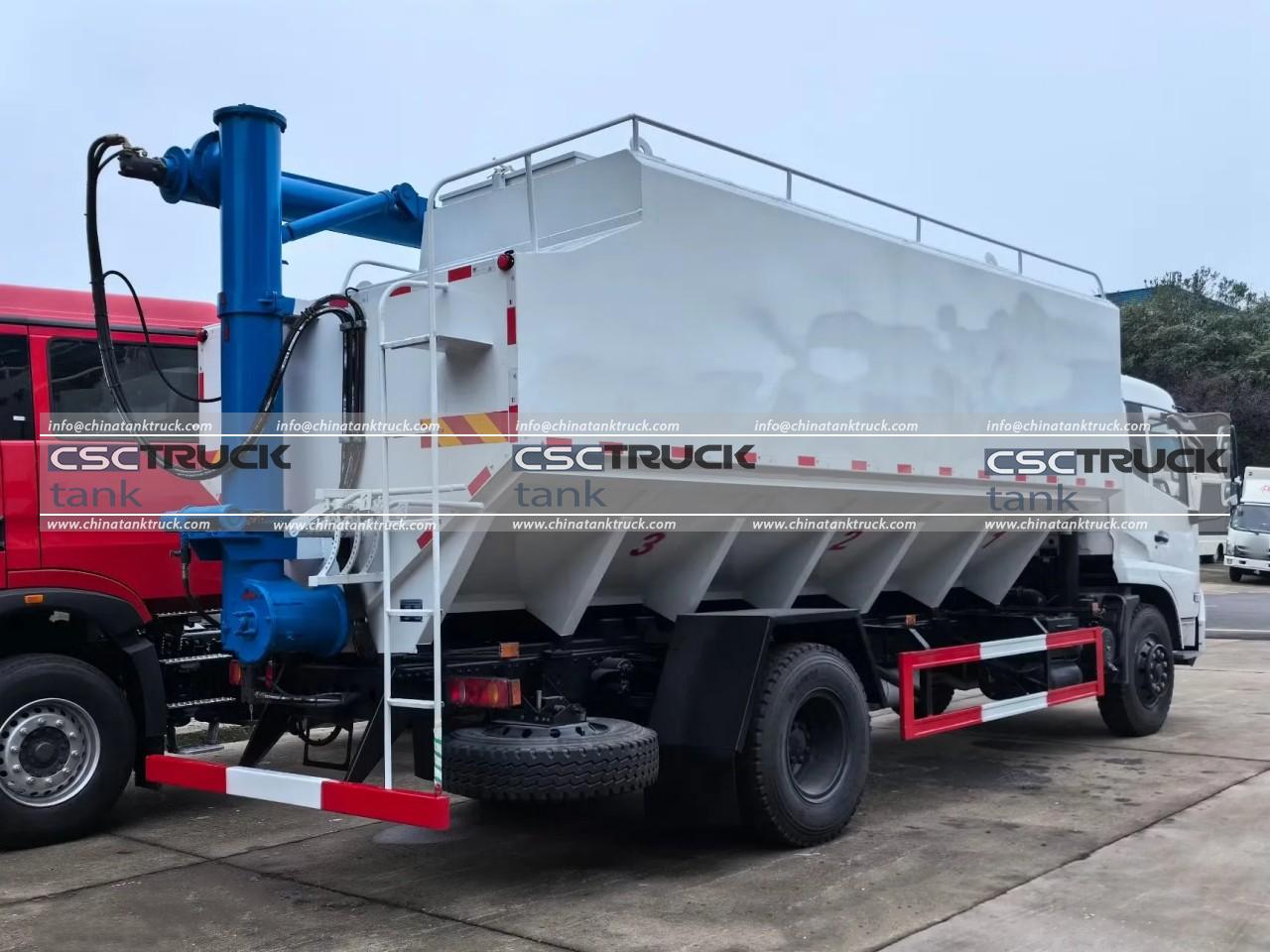

Introduction to CSCTRUCK China Tank Truck
Pneumatic tank trucks play an important role in the transportation of dry bulk materials such as cement, fly ash, lime powder, alumina, silica sand, and other industrial powders. Unlike ordinary cargo trucks, pneumatic tank trucks use compressed air systems to unload materials efficiently through pipelines, requiring operators to understand both vehicle operation and pneumatic unloading technology.
As a professional manufacturer of specialized tank trucks, CSCTRUCK China Tank Truck provides high-quality pneumatic tank trucks designed for reliable bulk material transportation. Established in Suizhou, Hubei, China, CSCTRUCK China Tank Truck focuses on the design and manufacturing of tank trucks and specialized commercial vehicles used in industries including construction, petroleum, chemical processing, and logistics. The company produces various tanker solutions with advanced manufacturing processes, quality control systems, and customized configurations to meet different transportation requirements.
For companies operating pneumatic tank trucks, selecting a reliable vehicle is only part of ensuring safe operation. Proper operator training is equally important. A trained pneumatic tanker operator can improve unloading efficiency, reduce equipment damage, prevent accidents, and extend the service life of the truck.
1. Basic Driving License and Commercial Vehicle Training
The first requirement for a pneumatic tank truck operator is proper commercial driving qualification. Since pneumatic tank trucks are usually built on heavy-duty truck chassis such as HOWO, SHACMAN, FAW, Dongfeng, or other large truck platforms, operators must have the appropriate heavy vehicle driving license according to local regulations.
Basic driver training usually includes:
- Heavy truck driving skills
- Traffic regulations
- Defensive driving techniques
- Vehicle inspection procedures
- Highway and urban driving safety
- Emergency response during road operation
In many regions, professional truck drivers must complete recognized training courses and obtain commercial driving qualifications before operating heavy vehicles. For example, truck driver requirements may include appropriate vehicle-class licenses, professional training, and additional certifications depending on the cargo type and operating conditions.
A pneumatic tanker operator must not only know how to drive a large truck but also understand the special characteristics of tanker vehicles, including higher center of gravity, longer braking distance, and different handling behavior compared with ordinary trucks.
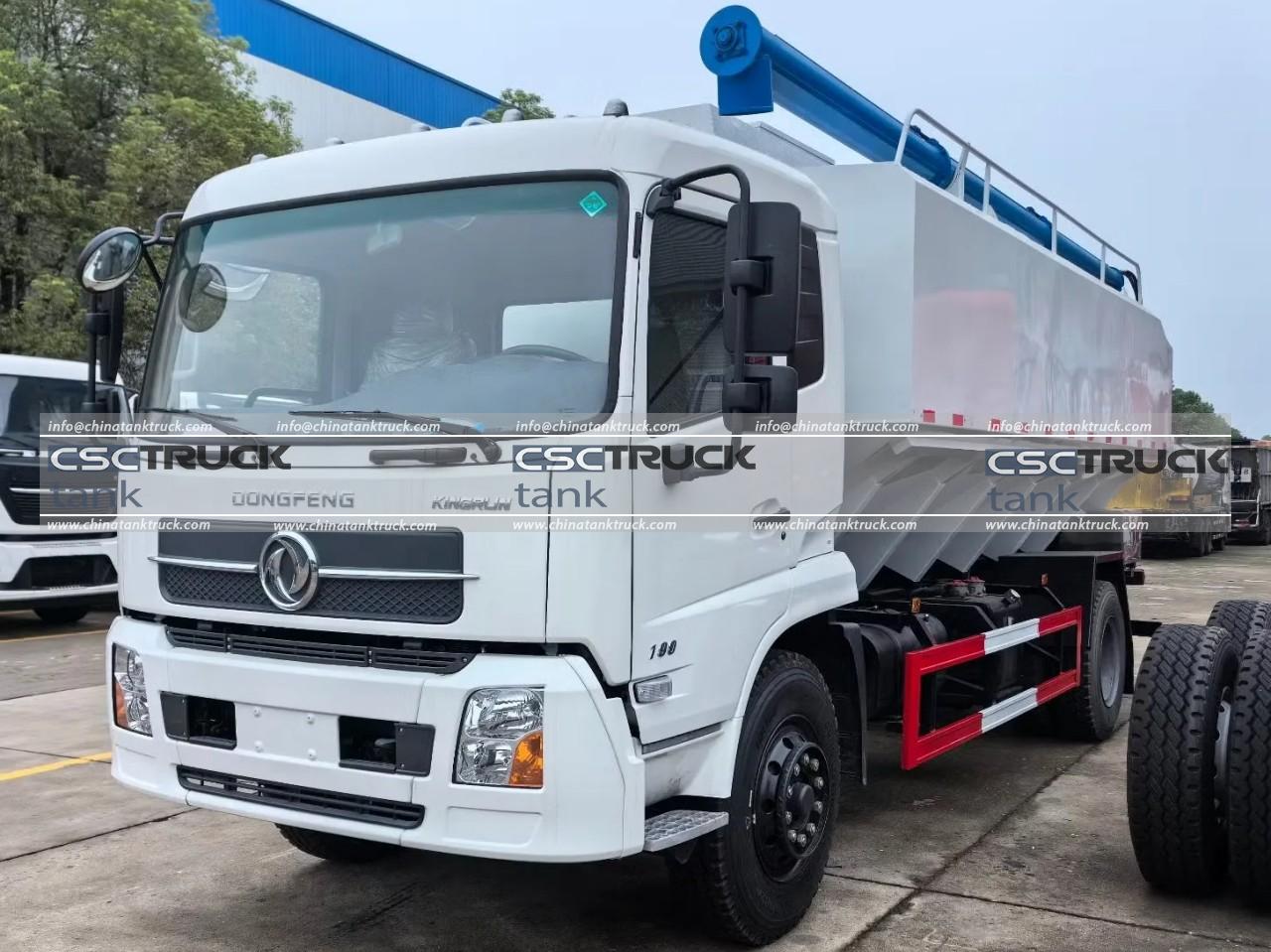
2. Pneumatic Tank Truck Structure Training
Before operating a pneumatic tank truck, drivers should receive detailed training about the vehicle structure and working principles.
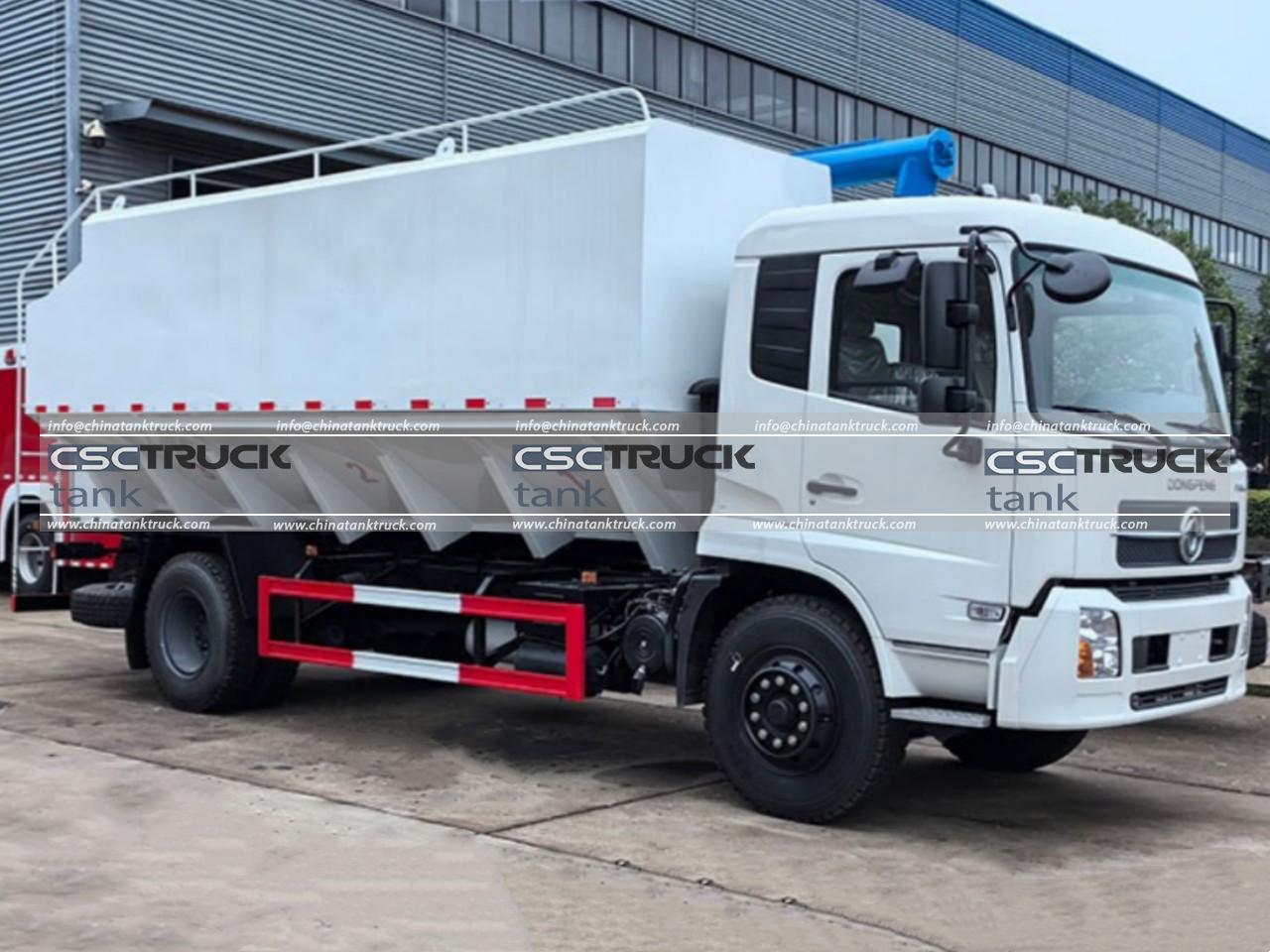
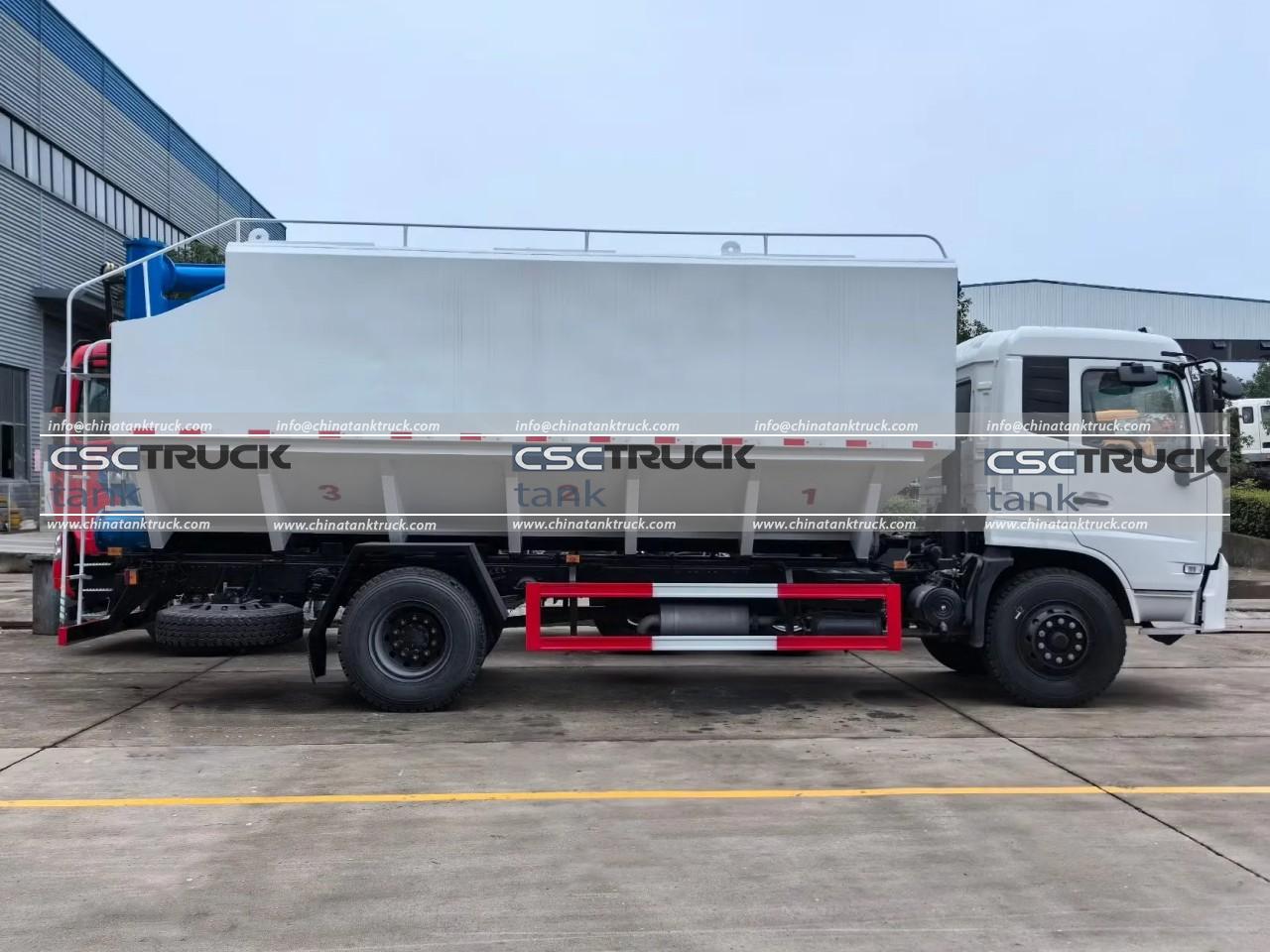
A typical pneumatic tank truck consists of:
- Pressure tank body
- Air compressor or blower system
- Air pipeline system
- Discharge valves
- Pressure gauges
- Safety valves
- Loading ports
- Discharge pipelines
- Control system
Operators need to understand how each component works and how they interact during loading and unloading.
For example, the operator should know:
- How compressed air enters the tank
- How pressure is controlled inside the vessel
- How materials move through the discharge pipeline
- How to monitor pressure changes
- How to identify abnormal operating conditions
Incorrect operation of the pneumatic system can cause problems such as pipeline blockage, excessive pressure, material leakage, or damage to valves and compressors.
3. Pneumatic Unloading Operation Training
The most important part of pneumatic tank truck training is learning the unloading process.
Unlike dump trucks that unload by tipping the body, pneumatic tank trucks use air pressure to transport dry materials from the tank into storage silos.
A standard unloading procedure usually includes:
Step 1: Vehicle Positioning
The operator must:
- Park the truck on stable ground
- Apply parking brakes
- Confirm unloading location
- Connect discharge hoses correctly
The operator should ensure the truck is positioned safely and the receiving facility is ready before starting unloading.
Step 2: Connecting the Pipeline System
Operators must learn:
- Correct hose connection methods
- Valve opening sequence
- Checking for leaks
- Securing pipeline connections
Improper connections can result in material leakage or sudden pressure release.
Step 3: Starting the Air System
Operators must understand:
- Compressor or blower startup procedures
- Recommended working pressure
- Air flow adjustment
- Temperature monitoring
The operator must maintain proper pressure balance. Too little pressure may cause slow unloading or blockage, while excessive pressure can damage the system.
Step 4: Monitoring the Unloading Process
During unloading, operators should continuously monitor:
- Tank pressure
- Air pressure gauge
- Material flow
- Compressor condition
- Pipeline vibration
Experienced operators can identify early signs of problems, such as unusual noise, pressure fluctuation, or reduced material flow.
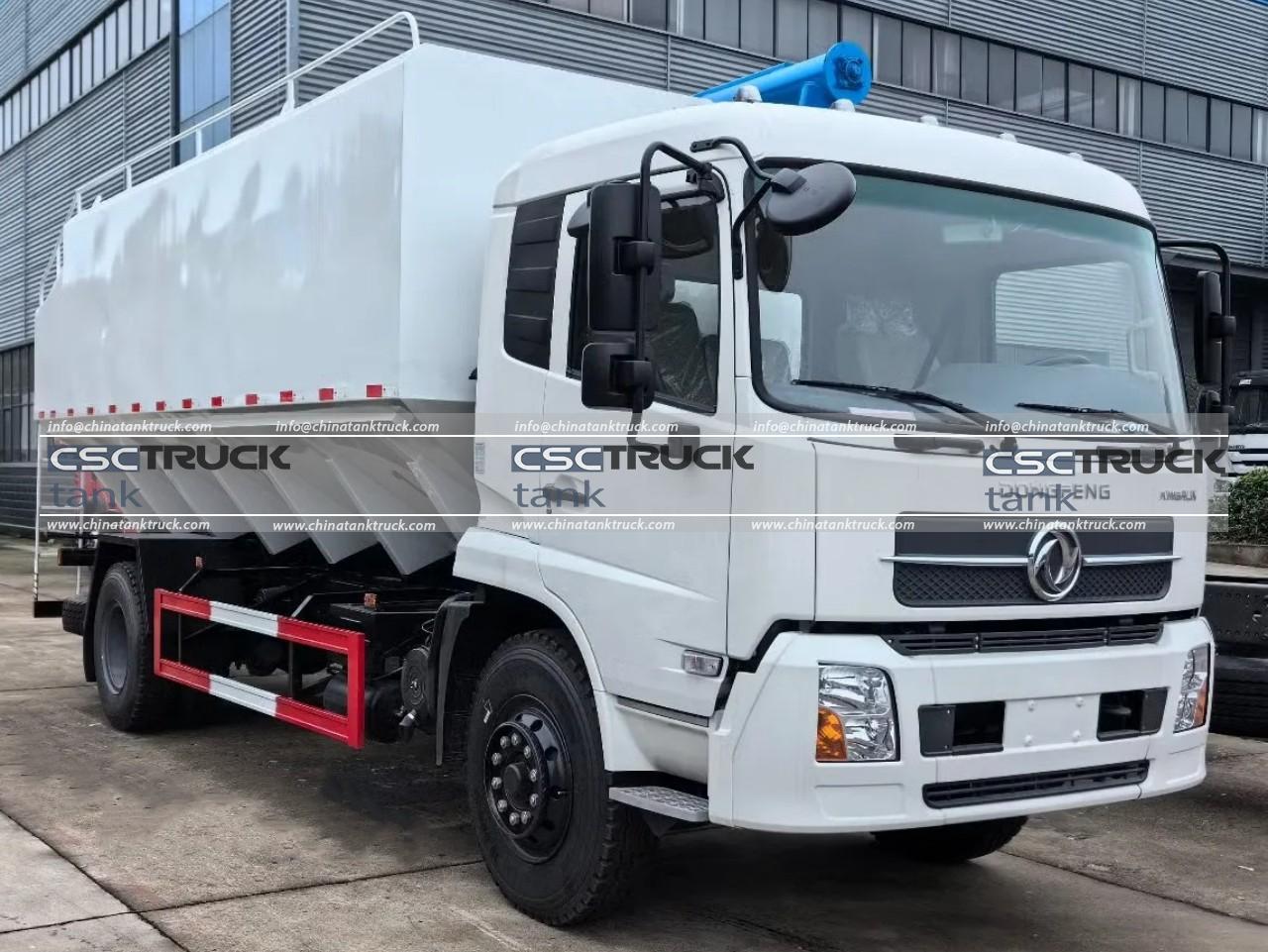
4. Safety Training for Pneumatic Tank Truck Operators
Safety training is essential because pneumatic tank trucks operate with pressurized systems.
Operators should receive training in:
Pressure System Safety
Operators must understand:
- Maximum operating pressure limits
- Safety valve functions
- Pressure release procedures
- Inspection requirements
Never opening or closing valves incorrectly is critical because compressed air can create dangerous situations.
Personal Protective Equipment (PPE)
Depending on the transported material, operators may need:
- Safety helmet
- Protective glasses
- Dust mask or respirator
- Gloves
- Safety shoes
- Protective clothing
For materials such as cement, lime powder, or chemical powders, dust protection is especially important.
Emergency Response
Training should cover:
- Pipeline blockage handling
- Air leakage response
- Equipment failure procedures
- Fire prevention
- Accident reporting
Operators must know how to shut down the system quickly during abnormal conditions.
5. Material Handling Knowledge Training
Different dry bulk materials have different transportation characteristics.
A professional pneumatic tanker operator should understand:
Cement
Cement powder requires careful unloading control because moisture can cause material hardening and pipeline blockage.
Fly Ash
Fly ash is lightweight and may require different air pressure settings compared with heavier materials.
Lime Powder
Lime powder requires attention to dust control and personal protection.
Other Industrial Powders
Materials such as alumina, minerals, and chemical powders may have special handling requirements.
Understanding material characteristics helps operators choose correct unloading methods and avoid operational problems.
6. Daily Inspection and Maintenance Training
A pneumatic tank truck operator is also responsible for basic maintenance checks.
Before operation, operators should inspect:
- Tires and wheels
- Brake system
- Tank condition
- Valves
- Pressure gauges
- Air compressor system
- Hydraulic or mechanical components
- Electrical connections
Regular maintenance training helps detect problems before they become major failures.
Common maintenance tasks include:
- Cleaning pipelines
- Checking seals
- Inspecting valves
- Lubricating moving parts
- Recording equipment conditions
Proper maintenance can significantly improve truck reliability and reduce downtime.
7. Communication and Workplace Procedures
Many pneumatic tank trucks operate between factories, construction sites, cement plants, and industrial facilities. Therefore, operators must also learn workplace communication procedures.
Training should include:
- Working with loading personnel
- Following site safety rules
- Confirming delivery documents
- Coordinating with silo operators
- Reporting operational issues
Professional communication helps prevent unloading mistakes and improves transportation efficiency.
8. Advanced Training for Experienced Operators
After gaining basic experience, operators can receive advanced training in:
- Efficient unloading techniques
- Fuel-saving driving methods
- Troubleshooting pneumatic systems
- Electronic control systems
- Fleet management software
- Advanced safety procedures
Experienced operators are valuable because they can reduce unloading time, prevent equipment damage, and improve overall fleet productivity.
Conclusion
Operating a pneumatic tank truck requires much more than basic truck driving skills. A qualified operator must understand heavy vehicle operation, pneumatic systems, pressure control, unloading procedures, safety requirements, and equipment maintenance.
Professional training helps operators safely transport dry bulk materials while improving efficiency and reducing operational risks. Manufacturers like CSCTRUCK China Tank Truck provide reliable pneumatic tanker solutions, but proper operator education remains a key factor in achieving long-term performance and safety.
With comprehensive training and practical experience, pneumatic tank truck operators can confidently manage these specialized vehicles and support industries such as construction, mining, chemical processing, and bulk material logistics.