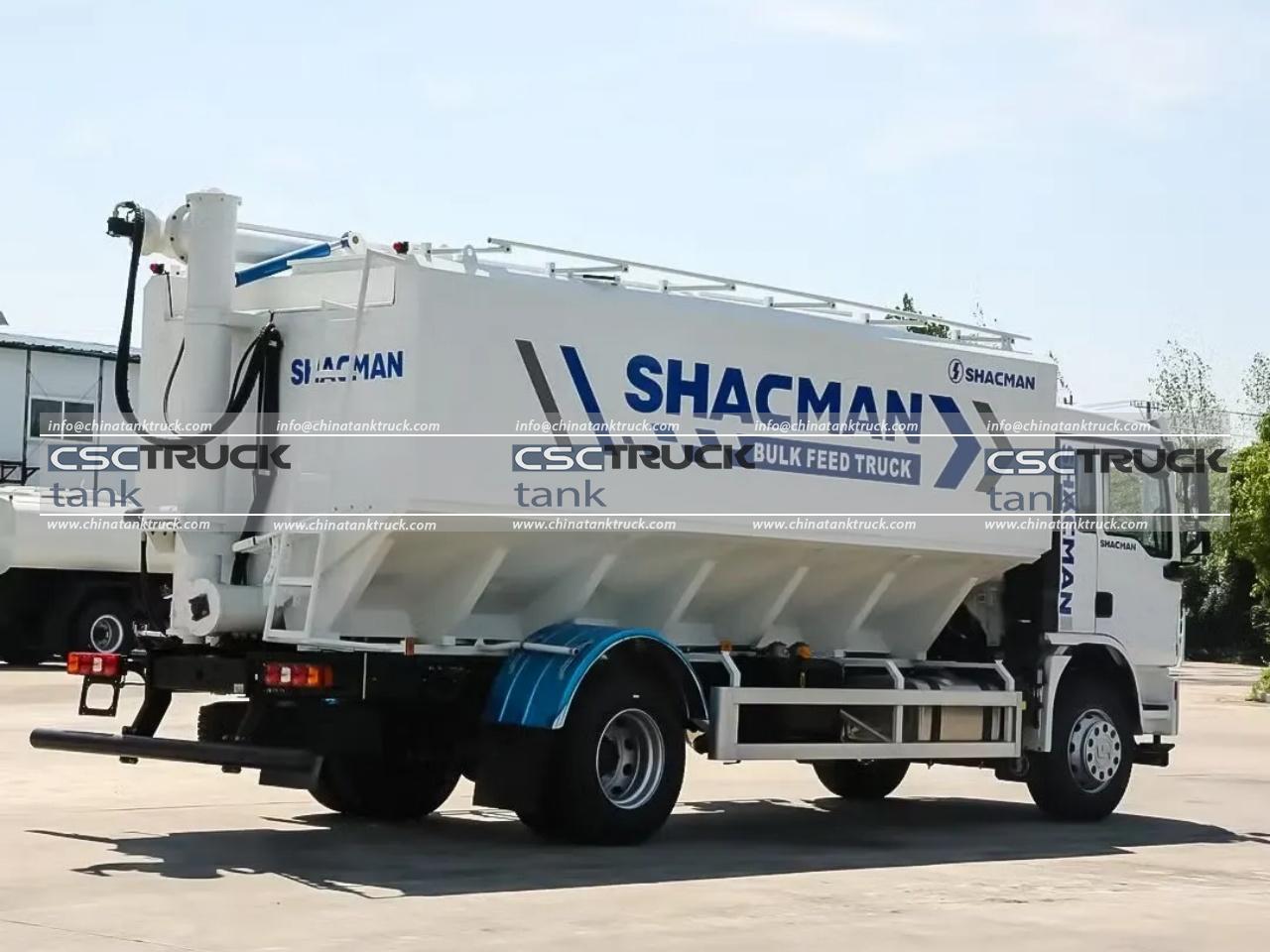

Pneumatic tankers are widely used in modern bulk material logistics, especially for transporting dry powders and granular substances such as cement, fly ash, flour, plastic pellets, and lime. These specialized vehicles rely on compressed air to unload materials efficiently and cleanly, making them essential in construction, agriculture, and industrial supply chains. Before exploring compartment design in detail, it is useful to understand the engineering background provided by manufacturers such as CSCTRUCK China Tank Truck, a well-known producer of pneumatic tank trailers and other heavy-duty transport equipment. Their pneumatic tankers are designed with flexible configurations to meet different materials, capacities, and regulatory requirements.
Among the most important structural features of a pneumatic tanker is its internal compartment system. The number of compartments directly affects stability, unloading efficiency, payload distribution, and operational flexibility.
Typical Compartment Range in Pneumatic Tankers
In general, a pneumatic tanker can have 1 to 6 compartments, depending on its size and application. However, the most common configurations in industrial use are:
- Single-compartment tankers
- 2–3 compartment tankers (most common)
- 4–6 compartment tankers (specialized heavy-duty designs)
Each configuration serves a specific operational purpose, and manufacturers often customize the internal layout based on customer needs and transport regulations.
1. Single-Compartment Pneumatic Tankers
A single-compartment design consists of 1 large internal hopper or chamber. This type is widely used when:
- Only 1 type of material is transported per trip
- Maximum volume efficiency is required
- Rapid loading and unloading are priorities
Single-compartment tankers offer the highest usable volume, because there are no internal partitions reducing space. However, they provide less flexibility in transporting multiple products simultaneously.
This design is often used in high-volume cement transport or dedicated industrial supply routes where consistency of cargo is important.
2. Two to Three Compartments (Most Common Configuration)
The most widely used pneumatic tanker configuration is 2–3 compartments. This design represents a balance between efficiency and flexibility.
These compartments allow operators to:
- Carry different grades or types of materials in a single trip
- Improve weight distribution across the trailer axles
- Reduce material movement during transport
For example, a 45 CBM pneumatic cement tanker may be divided into three separate hoppers, each with its own discharge line and valve system. This helps ensure controlled unloading and prevents cross-contamination between materials.
Industry data shows that compartmentalization is a common design strategy in tanker engineering to improve stability and safety, similar to fuel tankers that often use multiple compartments to reduce liquid sloshing and improve handling.
3. Four to Six Compartments (Specialized Designs)
Some advanced pneumatic tankers are built with 4 to 6 compartments, especially for specialized logistics operations or multi-product transportation.
These designs are used when:
- Multiple materials must be transported in one trip
- Precise batch delivery is required
- Weight distribution must be carefully controlled across long trailers
However, increasing the number of compartments introduces trade-offs:
- Reduced total usable volume due to internal bulkheads
- More complex piping and valve systems
- Higher manufacturing and maintenance costs
- Longer unloading coordination time
Despite these limitations, multi-compartment tankers are valuable in industries where logistics efficiency outweighs maximum volume needs.
Why Pneumatic Tankers Use Compartments
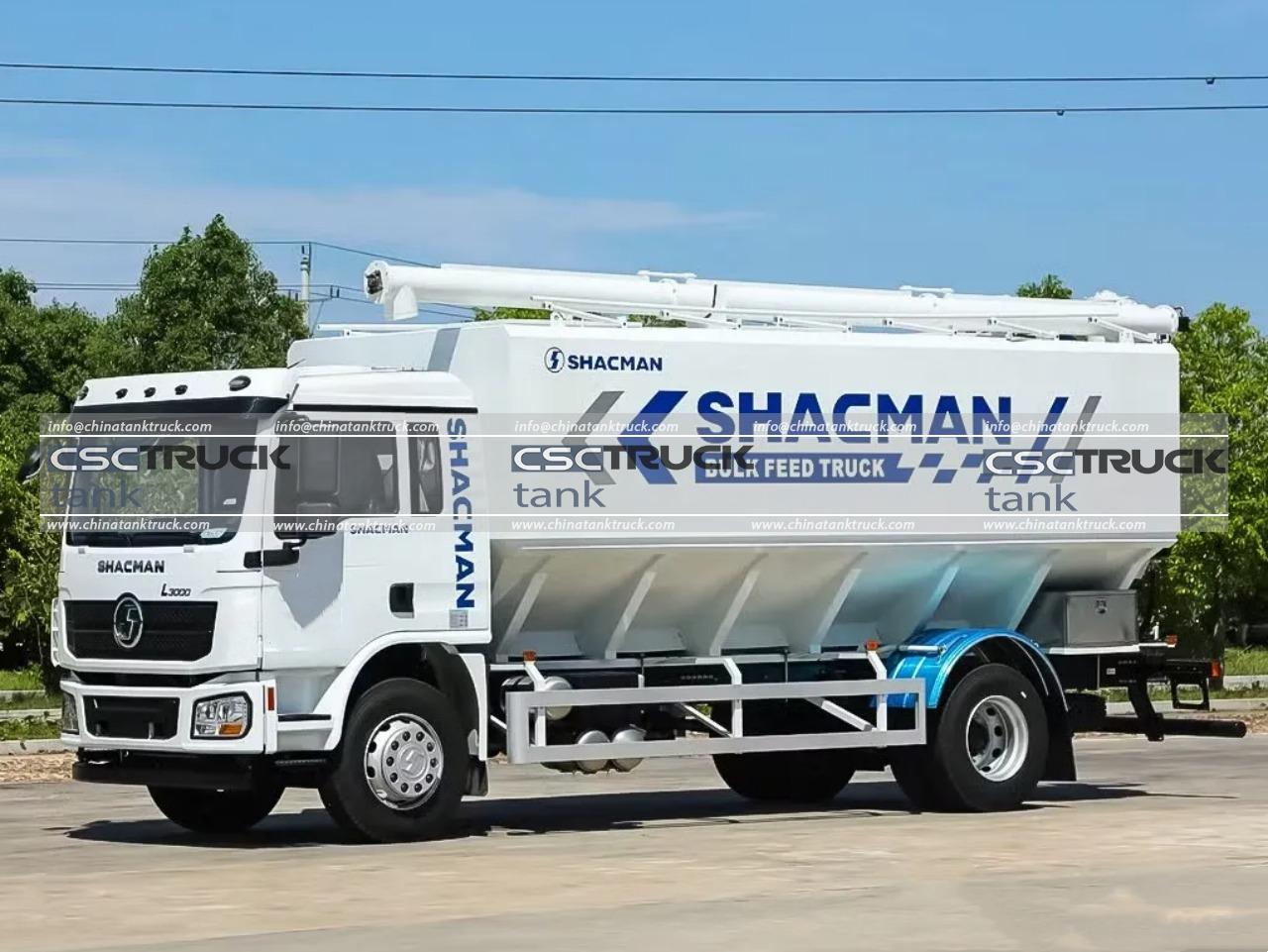
The compartment structure is not just about dividing space—it serves several critical engineering and safety purposes:
1. Stability and Safety
When a tanker is in motion, shifting material can create instability. Compartments reduce internal movement, helping maintain balance and preventing dangerous surges during braking or turning.
2. Controlled Unloading
Each compartment can be emptied independently, allowing operators to manage unloading sequences. This is especially useful when delivering materials to multiple silos or storage points.
3. Multi-Material Transport
Some industries require simultaneous transport of different materials. Compartments make this possible without contamination.
4. Structural Strength
Internal partitions also reinforce the tank structure, helping it withstand internal air pressure during pneumatic discharge operations.
Design Factors That Influence the Number of Compartments
The final compartment count in a pneumatic tanker depends on several engineering and operational factors:
- Tank volume (CBM): Larger tanks are more likely to be divided into multiple sections
- Material type: Fine powders may require more controlled unloading
- Density of cargo: Heavier materials often need better weight distribution
- Axle configuration: Legal road limits influence load balancing
- Regulatory constraints: Different countries impose different gross vehicle weight limits
- Customer requirements: Some fleets prioritize flexibility over maximum capacity
Trade-Off Between Compartments and Efficiency
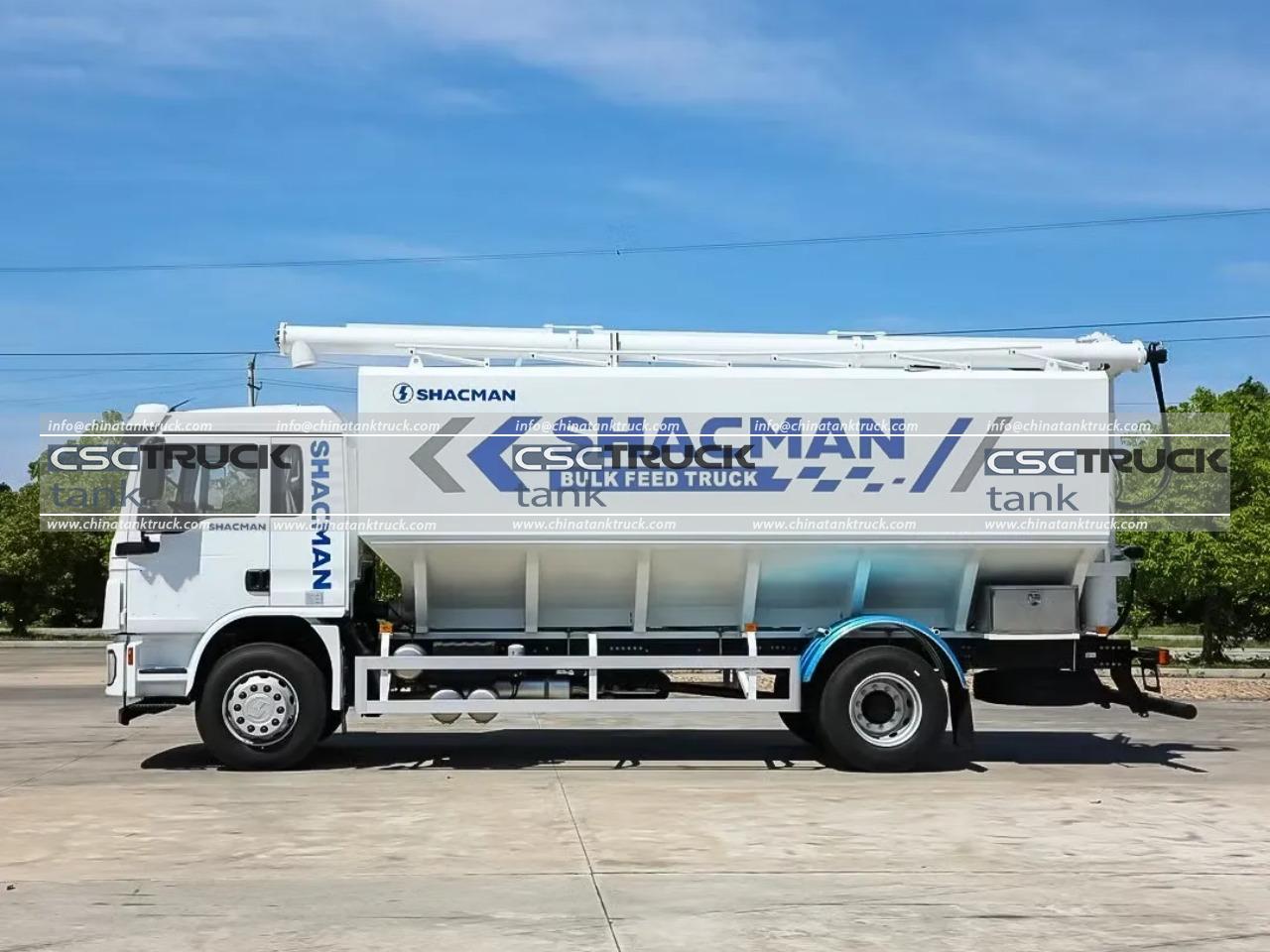
While more compartments increase flexibility, they also slightly reduce efficiency. Each partition takes up space and adds weight, which can reduce the total payload capacity. For this reason, most manufacturers—including CSCTRUCK China Tank Truck—optimize designs around 2–3 compartments as the industry standard for general-purpose pneumatic tankers.
On the other hand, single-compartment designs remain popular for dedicated bulk transport routes where simplicity and maximum capacity matter more than flexibility.
Conclusion
A pneumatic tanker can typically have 1 to 6 compartments, but most practical and widely used designs fall within the 2–3 compartment range. The exact number depends on factors such as cargo type, tank size, road regulations, and operational needs.
Manufacturers like CSCTRUCK China Tank Truck design customizable pneumatic tankers that balance efficiency, safety, and flexibility to meet global logistics demands. Whether single-compartment or multi-compartment, the internal structure plays a crucial role in ensuring safe transport, efficient unloading, and optimized payload distribution in modern dry bulk logistics.