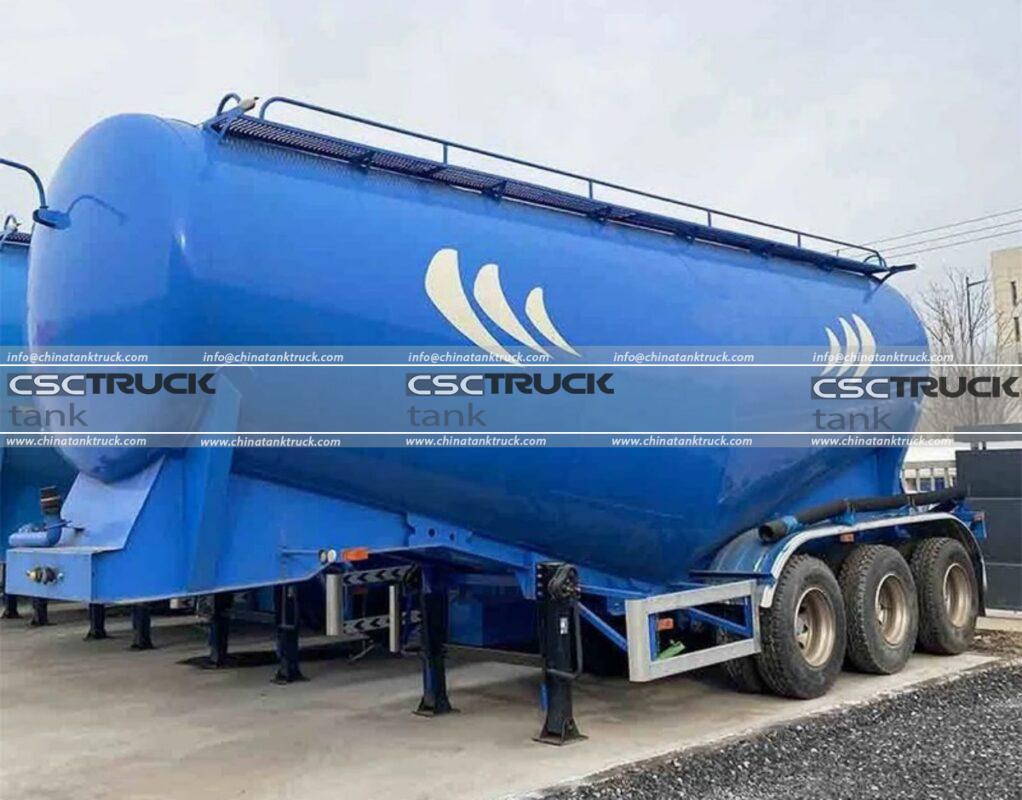
Pneumatic tank trailers are specialized transport vehicles designed to carry dry bulk materials such as cement, flour, lime, and plastic pellets. Their unique design allows for efficient loading, transport, and unloading using compressed air, making them essential in industries like construction, food processing, and chemical manufacturing.
Understanding the key components of a pneumatic tank trailer is crucial for operators, fleet managers, and buyers. Each part plays a vital role in ensuring safe, efficient, and reliable operation. Below is a detailed breakdown of the main components, along with visual-style explanations to help you better understand how they work.
1. Tank Body (Pressure Vessel)
Description:
The tank body is the core structure of the pneumatic trailer. It is a sealed pressure vessel designed to hold dry bulk materials and withstand internal air pressure during unloading.
Key Features:
- Made from carbon steel, aluminum alloy, or stainless steel
- Designed in a cylindrical or V-shaped structure
- Divided into compartments (optional for multi-material transport)
- Equipped with fluidizing pads at the bottom
Function:
It stores the material and maintains the pressure environment required for pneumatic discharge.
Illustration Concept:
   _________
  /         \
 |  BULK     |
 | MATERIAL  |
 |           |
  \_________/
 (Sealed Tank Body)
2. Air Compressor
Description:
The air compressor is the power source for pneumatic unloading. It generates compressed air that pushes the material out of the tank.
Types:
- Diesel-powered compressor
- PTO (Power Take-Off) driven compressor
- Electric compressor (less common)
Key Features:
- High-pressure output (typically 0.2–0.3 MPa)
- Mounted on the chassis or tractor unit
Function:
Supplies compressed air to fluidize and move bulk material through pipelines.
Illustration Concept:
[Air Intake] --> [Compressor] --> [High Pressure Air Output]
3. Fluidization System (Air Pads / Fluidizing Bed)
Description:
Located at the bottom of the tank, this system includes porous membranes or air pads that allow air to pass through and mix with the bulk material.
Key Features:
- Made of breathable fabric or ceramic material
- Installed along the tank floor
- Divided into sections for even airflow
Function:
Transforms solid bulk material into a fluid-like state, making it easier to discharge.
Illustration Concept:
   Bulk Material
  -------------
  ~~~~~~~~~~~~~  <-- Air + Powder (Fluidized)
  [ Air Pad ]
  ============
4. Discharge System (Piping and Valves)
Description:
This system includes all pipes, hoses, and valves used to control and direct the flow of material during unloading.
Key Components:
- Discharge pipe
- Butterfly valves
- Check valves
- Flexible hoses
Function:
Guides the material from the tank to the receiving silo or storage facility.
Illustration Concept:
Tank --> Valve --> Pipe --> Hose --> Silo
5. Manhole Cover
Description:
Manholes are located on the top of the tank and allow access for loading, inspection, and maintenance.
Key Features:
- Airtight sealing
- Quick-open design
- Safety pressure relief mechanism (optional)
Function:
Provides entry for material loading and internal inspection while maintaining tank pressure integrity.
Illustration Concept:
   _________
  |  O   O  |  <-- Manhole Covers
  |         |
  |  Tank   |
6. Safety Valves and Pressure Relief System
Description:
These are critical safety components that prevent over-pressurization of the tank.
Key Components:
- Pressure relief valve
- Safety valve
- Pressure gauge
Function:
Automatically releases excess pressure to protect the tank and operator.
Illustration Concept:
 [Tank Pressure ↑]
       |
   [Relief Valve]
       ↓
  Air Released Safely
7. Chassis and Frame
Description:
The chassis is the structural backbone of the trailer, supporting the tank and all components.
Key Features:
- High-strength steel construction
- Designed for heavy loads
- Integrated with the suspension system
Function:
Provides stability, durability, and support during transport.
Illustration Concept:
  [ Tank Body ]
  -------------
  |  Frame    |
  |___________|
   O         O
 (Axles & Wheels)
8. Suspension System and Axles
Description:
This system ensures smooth transportation and weight distribution.
Types:
- Mechanical suspension (leaf spring)
- Air suspension (preferred for sensitive materials)
Function:
Absorbs road shocks, improves stability, and reduces wear on the trailer.
Illustration Concept:
   Tank
    |
  Frame
    |
 [Suspension]
    |
   Axle
   O   O
9. Landing Gear
Description:
Landing gear supports the trailer when it is not attached to a tractor.
Key Features:
- Manual or hydraulic operation
- Adjustable height
Function:
Keeps the trailer stable during loading, unloading, or parking.
Illustration Concept:
   Trailer Front
       |
   [Landing Gear]
       |
      ||
      ||
10. Control System
Description:
This includes all control mechanisms used to operate valves, monitor pressure, and manage unloading.
Key Features:
- Pressure gauges
- Control valves
- Monitoring panels
Function:
Allows the operator to safely control airflow, pressure, and discharge speed.
Illustration Concept:
 [Gauge]  [Valve]  [Control Panel]
    |        |         |
   Monitor & Adjust System
11. Hose Rack and Accessories
Description:
Hose racks store discharge hoses securely when not in use.
Accessories Include:
- Flexible hoses
- Couplings
- Clamps
Function:
Ensures organized storage and quick deployment during unloading.
Illustration Concept:
 [Hose Rack]
  ||||||||
 (Stored Hoses)
Conclusion
A pneumatic tank trailer is a highly engineered system where each component plays a crucial role in ensuring efficient and safe transport of dry bulk materials. From the robust tank body to the precision-controlled air compressor and fluidization system, every part contributes to the seamless operation of the trailer.
Understanding these key components not only helps operators use the equipment more effectively but also assists buyers in selecting the right configuration for their needs. Proper maintenance of each part—especially safety valves, compressors, and discharge systems—is essential to ensure long service life and operational reliability.
As industries continue to demand faster, cleaner, and more efficient bulk transport solutions, pneumatic tank trailers remain one of the most reliable and advanced options available today.