Introduction
Aircraft refueling is one of the most safety-critical operations in the aviation industry. Every refueling task requires strict adherence to safety procedures, proper equipment maintenance, and highly trained personnel. Even a minor mistake can lead to fuel contamination, fire hazards, environmental damage, costly delays, or serious accidents.
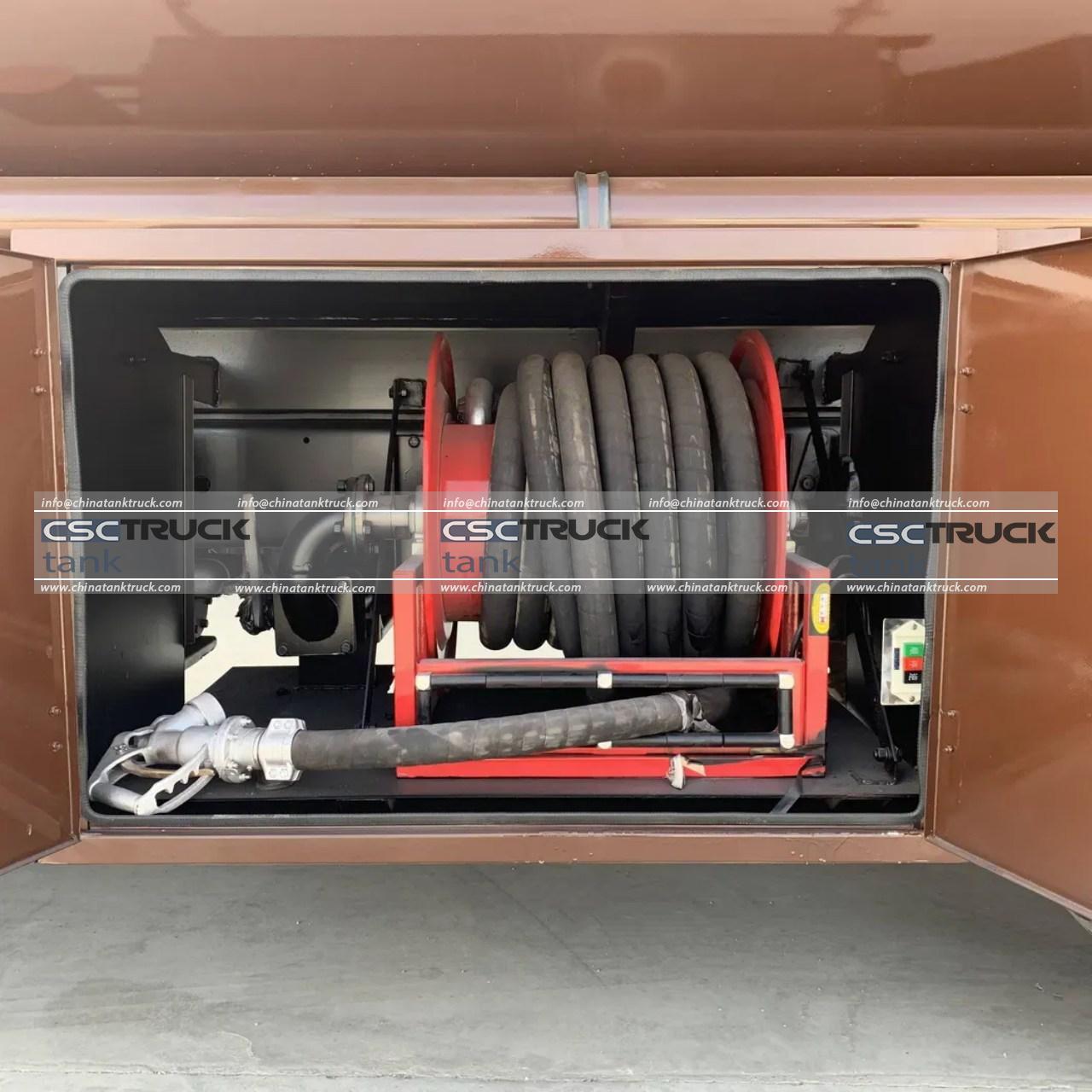
Modern aviation refuelers are designed with advanced filtration systems, grounding devices, emergency shutoff mechanisms, and precision fuel metering to ensure safe and efficient fueling operations. Choosing reliable equipment is equally important as following operational procedures.
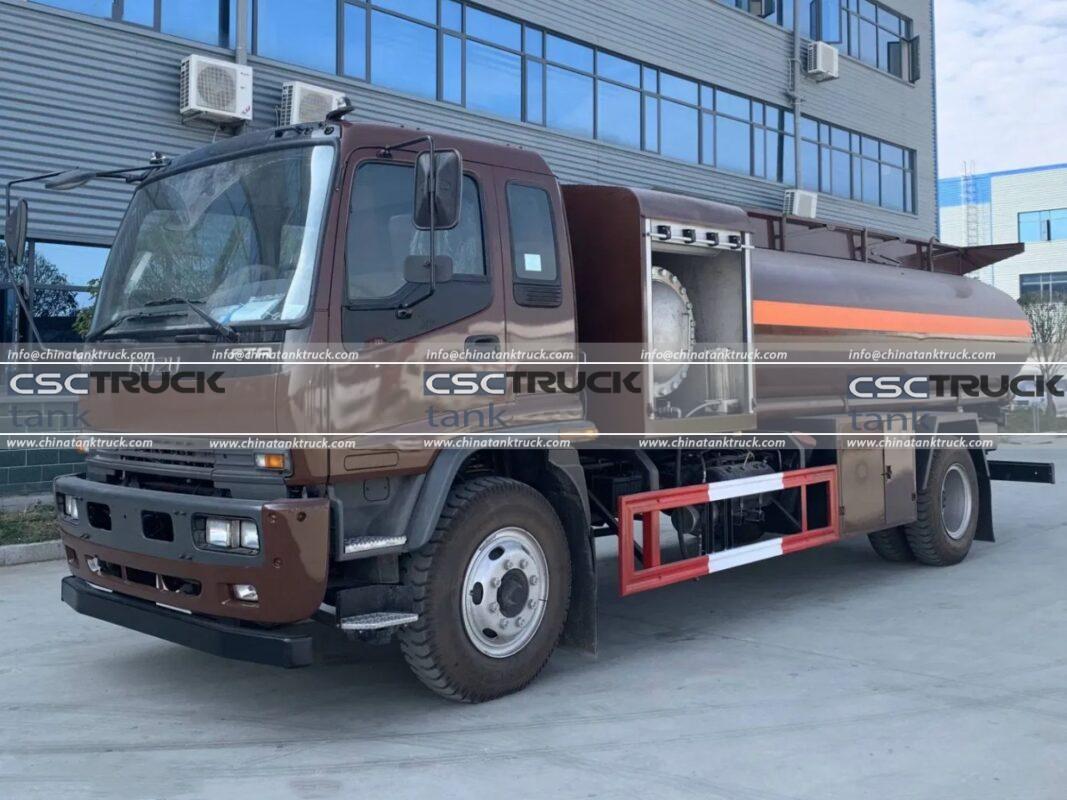
As a leading manufacturer of specialized tank trucks, CSCTRUCK China Tank Truck has been producing high-quality aviation refuelers and fuel transportation equipment since 2005. The company offers customized aircraft refueling trucks featuring international-quality components, advanced safety systems, and strict quality control to meet the requirements of airports, military bases, and aviation service providers worldwide. CSCTRUCK China Tank Truck serves customers across more than 190 countries with reliable tank truck solutions for petroleum, aviation, and industrial applications.
Below are the 10 best practices every aircraft refueling operator should follow to ensure maximum safety.
1. Perform a Thorough Pre-Operation Inspection
Safety begins before the engine starts.
Before each refueling operation, inspect the entire aviation refueler, including:
- Fuel tank condition
- Pumps
- Hoses
- Nozzles
- Valves
- Grounding cables
- Filtration system
- Emergency stop controls
- Fire extinguishers
Look for leaks, worn hoses, damaged fittings, or abnormal pressure readings. Small defects can quickly become major hazards during fueling.
Document every inspection according to company procedures.

2. Verify the Correct Fuel Grade
Using the wrong aviation fuel can have catastrophic consequences.
Always verify:
- Aircraft fuel requirements
- Fuel delivery documentation
- Tank identification labels
- Fuel quality certificates
Never rely solely on memory.
Cross-check the aircraft fueling order with the fuel truck before connecting any equipment.
Many modern aviation refuelers include color-coded systems and digital identification to reduce human error.
3. Properly Ground and Bond the Equipment
Static electricity is one of the biggest fire risks during aircraft refueling.
Before fuel begins flowing:
- Ground the refueling truck.
- Bond the aircraft to the refueler.
- Verify grounding cable integrity.
- Ensure proper electrical continuity.
Grounding eliminates static charge buildup that could ignite fuel vapors.
Never skip this step—even during routine operations.

4. Keep the Refueling Area Free of Ignition Sources
Aircraft fuel vapors are highly flammable.
Maintain a strict no-ignition policy by prohibiting:
- Smoking
- Open flames
- Welding
- Running unnecessary engines
- Spark-producing tools
- Mobile phones were prohibited by airport regulations
Ensure warning signs are clearly visible around the fueling zone.
Only approved explosion-proof equipment should be used near aircraft fueling operations.
5. Monitor Fuel Quality Continuously
Fuel contamination can seriously damage aircraft engines.
Regularly inspect for:
- Water contamination
- Dirt
- Rust particles
- Microbial growth
- Sediment
Use water detection paste, filter monitors, and scheduled laboratory testing when required.
Modern aviation refuelers are equipped with multi-stage filtration systems that remove contaminants before fuel reaches the aircraft.
Filters should be replaced according to the manufacturer’s maintenance schedule.

6. Follow Standard Fueling Procedures
Every airport has established fueling procedures.
Operators should never improvise.
Standard procedures generally include:
- Position the truck safely.
- Apply wheel chocks.
- Connect grounding cables.
- Verify fuel type.
- Connect the fueling hose.
- Start pumping slowly.
- Monitor pressure.
- Watch fuel quantity.
- Disconnect safely after completion.
- Complete fueling documentation.
Following a consistent process reduces human error and improves operational safety.
7. Never Leave Fueling Operations Unattended
Aircraft refueling requires constant supervision.
Operators should continuously monitor:
- Flow rate
- Fuel pressure
- Hose condition
- Aircraft fuel level
- Possible leaks
- Vehicle movement around the aircraft
Unexpected situations such as hose failure or fuel overflow require immediate action.
Remaining alert throughout the operation allows problems to be addressed before they become emergencies.

8. Maintain Safe Communication
Good communication prevents misunderstandings between fueling personnel, flight crews, and ground operations.
Before fueling begins:
- Confirm fueling quantity.
- Verify aircraft identification.
- Review fueling instructions.
- Confirm emergency procedures.
During fueling:
- Maintain radio or visual communication.
- Immediately report abnormal conditions.
- Coordinate with maintenance personnel if necessary.
Effective teamwork greatly reduces operational risk.
9. Prepare for Emergency Situations
Even with excellent safety practices, emergencies can still occur.
Every operator should know how to respond to:
- Fuel spills
- Fire
- Hose rupture
- Vehicle malfunction
- Static discharge
- Medical emergencies
Emergency equipment should always be readily available, including:
- Fire extinguishers
- Spill containment kits
- Emergency shutdown switches
- First aid kits
- Communication devices
Regular emergency drills help operators respond quickly and confidently under pressure.

10. Invest in Regular Training and Equipment Maintenance
Safe aircraft refueling depends on both people and equipment.
Operators should receive ongoing training covering:
- Fuel handling procedures
- Airport safety regulations
- Environmental protection
- Emergency response
- Equipment operation
- Hazard recognition
Likewise, aviation refuelers should undergo preventive maintenance that includes:
- Pump servicing
- Filter replacement
- Meter calibration
- Hose pressure testing
- Valve inspection
- Brake and chassis maintenance
Reliable equipment significantly reduces downtime while improving safety and fuel efficiency.
Why Equipment Quality Matters
Even the most experienced operators depend on reliable refueling equipment.
A high-quality aviation refueler should provide:
- Accurate fuel metering
- Efficient filtration
- Reliable pumping performance
- Durable corrosion-resistant tank construction
- Easy maintenance access
- Emergency shutdown capability
- Static grounding protection
- Compliance with international aviation safety standards
Manufacturers with extensive engineering experience can customize refuelers for commercial airports, military aviation, private aviation, and fixed-base operators (FBOs).

Conclusion
Aircraft refueling is a routine operation, but it carries significant responsibility. Every successful fueling operation depends on careful planning, strict safety procedures, proper equipment maintenance, and well-trained personnel.
By performing thorough inspections, verifying fuel quality, maintaining effective grounding, eliminating ignition sources, monitoring every fueling operation, and investing in ongoing training, aviation operators can dramatically reduce risks while improving operational efficiency.
Equally important is selecting dependable refueling equipment from an experienced manufacturer. CSCTRUCK China Tank Truck has built a strong reputation for designing and manufacturing high-performance aviation refuelers that combine advanced engineering, strict quality control, and customizable solutions for customers around the world. Its comprehensive range of aircraft refueling trucks helps airports and aviation service providers achieve safer, more efficient, and more reliable fueling operations while meeting the demanding standards of the global aviation industry.