
In the evolving landscape of liquid and bulk material transportation, aluminum tank trucks have become a preferred choice for industries that prioritize both efficiency and durability. These tankers are widely used for transporting fuels, chemicals, food-grade liquids, and other sensitive materials. Known for their lightweight construction and corrosion-resistant properties, aluminum tank trucks offer a balance between payload capacity and long-term reliability. However, as logistics operations grow more demanding, users continue to suggest ways to further enhance the performance, safety, and operational efficiency of these vehicles. The following article explores user feedback and improvement ideas for achieving a truly optimized, lightweight, and durable aluminum tanker design.
1. The Growing Importance of Aluminum Tank Trucks
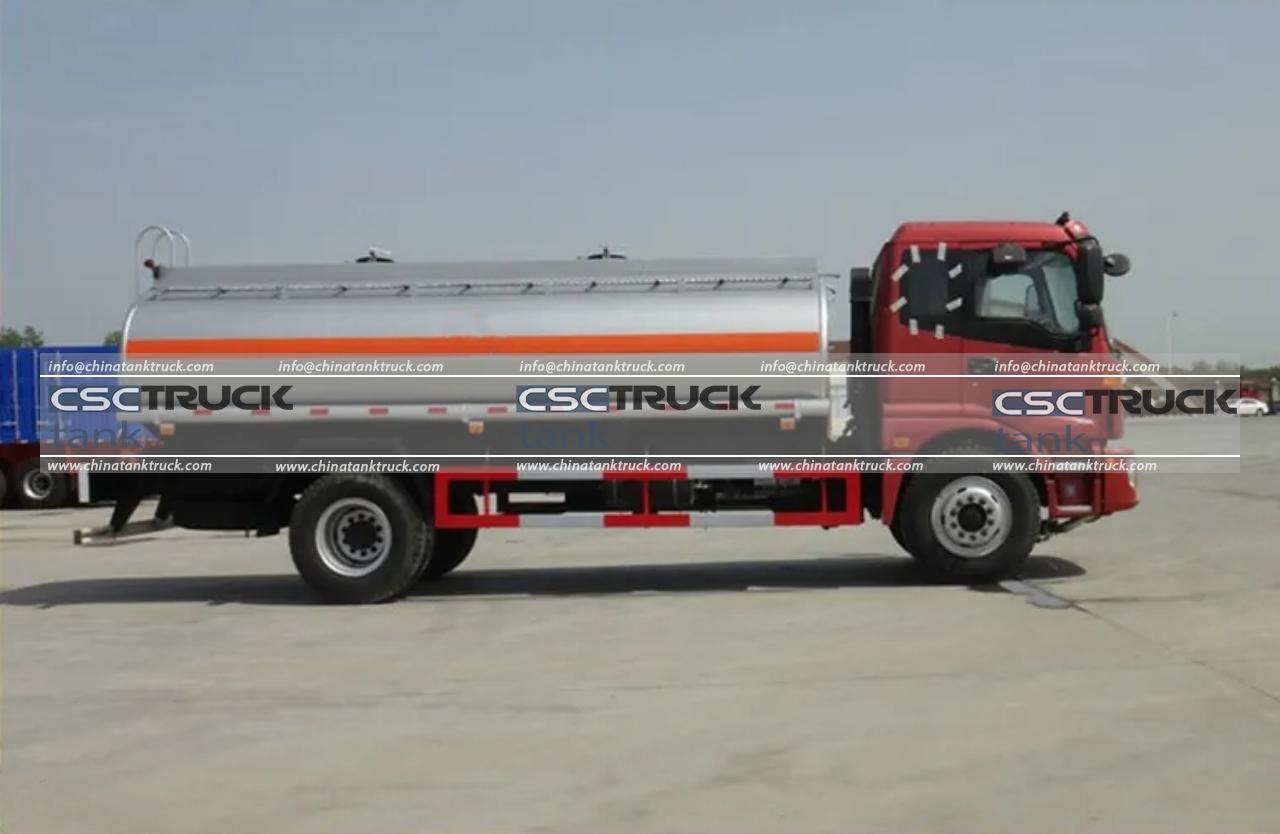
Aluminum tank trucks have steadily replaced heavier carbon steel models in many applications due to their superior strength-to-weight ratio. A typical aluminum tanker can be up to 40% lighter than a comparable steel tank, enabling greater payload capacity and reduced fuel consumption. This lightweight advantage directly contributes to lower operational costs and improved environmental performance, making aluminum tank trucks an ideal choice for modern logistics companies.
Users appreciate that aluminum’s natural resistance to corrosion extends the lifespan of the tanker, especially when transporting corrosive or moisture-sensitive materials. The combination of low maintenance requirements and fuel efficiency has made these vehicles popular among fleet operators. Nonetheless, users have identified several areas for improvement to ensure aluminum tank trucks meet the evolving demands of both safety and sustainability.

2. User Suggestions for Enhanced Lightweight Design
One of the primary reasons users prefer aluminum tankers is their reduced tare weight, which allows for higher payloads. Still, operators have proposed several engineering enhancements to further optimize weight without compromising strength or safety:
a. Advanced Alloy Compositions:
Users suggest that manufacturers explore high-strength aluminum alloys, such as 6061-T6 or 5454-H32, which provide improved tensile strength and fatigue resistance while maintaining corrosion protection. The use of multi-alloy structures could optimize different parts of the tanker — for instance, a tougher alloy for the shell and a more ductile one for weld seams.
b. Finite Element Optimization:
Professional drivers and fleet managers emphasize the importance of finite element analysis (FEA) in tanker design. By simulating real-world stress conditions, engineers can remove unnecessary material thickness in low-stress areas and reinforce critical load zones, achieving a more efficient structural balance.
c. Lightweight Chassis Integration:
Users recommend pairing the aluminum tank body with lightweight aluminum or composite chassis frames, further reducing vehicle mass. Integrating modular, bolted joint designs rather than welded connections could also simplify maintenance and allow easier replacement of components.
d. Aerodynamic Enhancements:
Several logistics operators suggest implementing aerodynamic improvements such as streamlined tank ends, side skirts, and air deflectors. These additions not only reduce drag but also contribute to improved fuel economy during long-haul operations.
3. Durability Improvements through Design Innovation
Despite aluminum’s lightweight nature, users note that durability remains a key factor in the tanker’s long-term value. Frequent loading, unloading, and exposure to harsh road conditions can cause fatigue cracking or deformation if not properly managed.
a. Reinforced Structural Supports:
Operators recommend adding reinforced baffles and anti-surge compartments inside the tank. These structures minimize fluid movement during transit, reducing stress on the tank walls and frame. Enhanced weld seam protection and heat treatment after fabrication can also improve long-term resistance to cracking.
b. Improved Welding Techniques:
Experienced maintenance technicians advocate for friction stir welding (FSW) rather than traditional arc welding, as it produces stronger, more uniform joints with minimal distortion. This advanced method can significantly increase the fatigue life of aluminum tankers.
c. Corrosion Protection Layers:
While aluminum naturally forms an oxide layer that resists corrosion, users propose anodizing or epoxy coatings for extra protection in extreme environments, such as coastal or chemical transport conditions. Applying an internal lining or food-grade coating can further enhance compatibility with diverse liquid cargoes.
d. Shock-Resistant Mounting Systems:
Fleet operators emphasize the need for shock-absorbing suspension mounts between the tank and chassis. These mounts help absorb road vibrations and impacts, extending the tanker’s structural integrity and reducing maintenance intervals.
4. User-Focused Safety Enhancements
Safety is a universal concern for all tanker truck operators. Aluminum tank trucks already provide safety benefits due to their corrosion resistance and lower rollover risk from reduced weight. However, users continue to call for innovations that can make these vehicles even safer.
a. Advanced Pressure Relief Systems:
Users recommend upgrading to multi-stage pressure relief valves that automatically adjust to internal pressure variations caused by temperature or fluid motion. These systems can prevent dangerous over-pressurization incidents during loading or transport.
b. Fire-Resistant Coatings:
To mitigate risks in fuel transport, several users suggest applying fire-retardant coatings to the tank surface. These coatings can delay ignition and reduce heat transfer in the event of external exposure to flames.
c. Enhanced Stability Controls:
Fleet managers advocate for the integration of electronic stability control (ESC), rollover prevention systems, and load sensors to monitor center-of-gravity shifts. When paired with lightweight aluminum construction, these systems significantly reduce the likelihood of tanker rollovers.
d. Anti-Slip and Access Improvements:
Drivers emphasize the importance of anti-slip platforms, retractable ladders, and ergonomically designed manholes for safe inspection and maintenance. Properly placed grab handles and lighting can prevent accidents during night operations.
5. User Requests for Operational Efficiency
Beyond structural and safety improvements, users highlight practical features that enhance daily operation and maintenance.
a. Modular Tank Design:
Fleet owners suggest modular, sectioned tank construction that allows quick configuration changes between different cargo types. This flexibility is especially beneficial for operators who transport diverse liquids or food-grade materials.
b. Smart Monitoring Systems:
Technicians and logistics planners call for digital monitoring systems equipped with real-time sensors for temperature, pressure, and liquid level. When paired with GPS tracking, such systems can help detect leaks, overpressure, or contamination early, minimizing downtime and waste.
c. Simplified Maintenance Access:
Operators recommend removable panels, standardized fittings, and accessible drain valves to make maintenance tasks faster and safer. Easy-to-clean internal surfaces and fewer welded joints also simplify periodic sanitization for food or chemical transport.
d. Eco-Friendly Manufacturing and Recycling:
Environmental considerations are becoming increasingly important. Users encourage manufacturers to adopt eco-friendly fabrication processes and emphasize recyclability at the end of the tanker’s life. Aluminum’s recyclability—without losing its original properties—is a major advantage in achieving sustainable logistics.

6. The Future of Aluminum Tank Truck Development
Looking ahead, user-driven innovation will continue to shape the aluminum tank truck industry. Manufacturers are expected to combine computational engineering, new alloy technologies, and smart sensor integration to create tankers that are both lighter and stronger than ever before. The rise of electric and hybrid truck platforms will also drive further weight reduction requirements, pushing designers toward composite-aluminum hybrid solutions.
Collaborations between end users, transport associations, and engineering firms will be key to developing next-generation tankers that balance performance, safety, and cost. As users have emphasized, real-world experience should continue to guide product development, ensuring that each design improvement translates directly to greater efficiency on the road.
Conclusion
Aluminum tank trucks represent a remarkable blend of lightweight efficiency and structural durability — 2 attributes critical to modern logistics. However, user feedback reveals that there is still room for innovation in materials, structural design, safety, and digital integration. From advanced alloy compositions to smart monitoring and modular configurations, each suggestion reflects the practical needs of those who operate these vehicles daily.
By listening to users and incorporating their insights, manufacturers can continue to refine aluminum tank truck designs, delivering tankers that are not only lighter and stronger but also safer, smarter, and more sustainable. The result will be a new generation of aluminum tank trucks that redefine performance standards and set the benchmark for global petroleum, chemical, and food-grade transport industries.