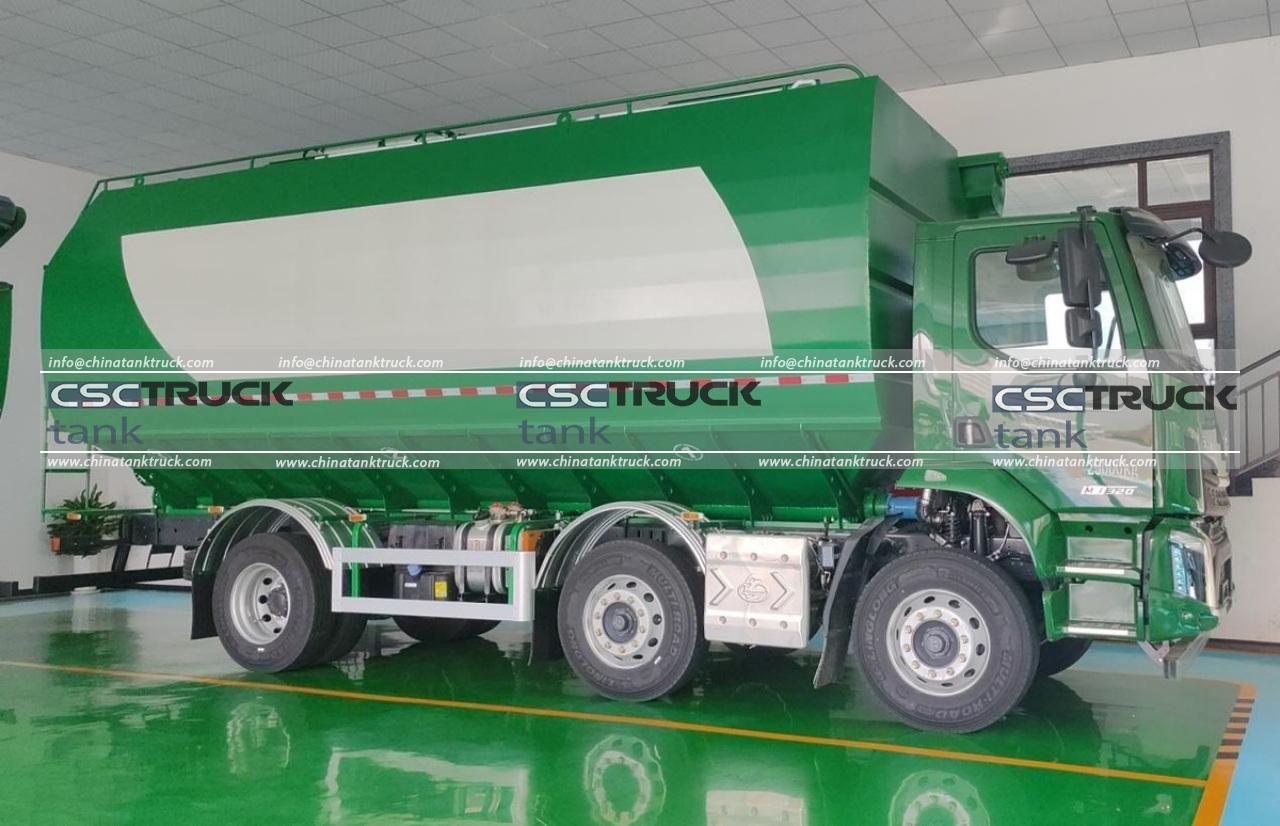
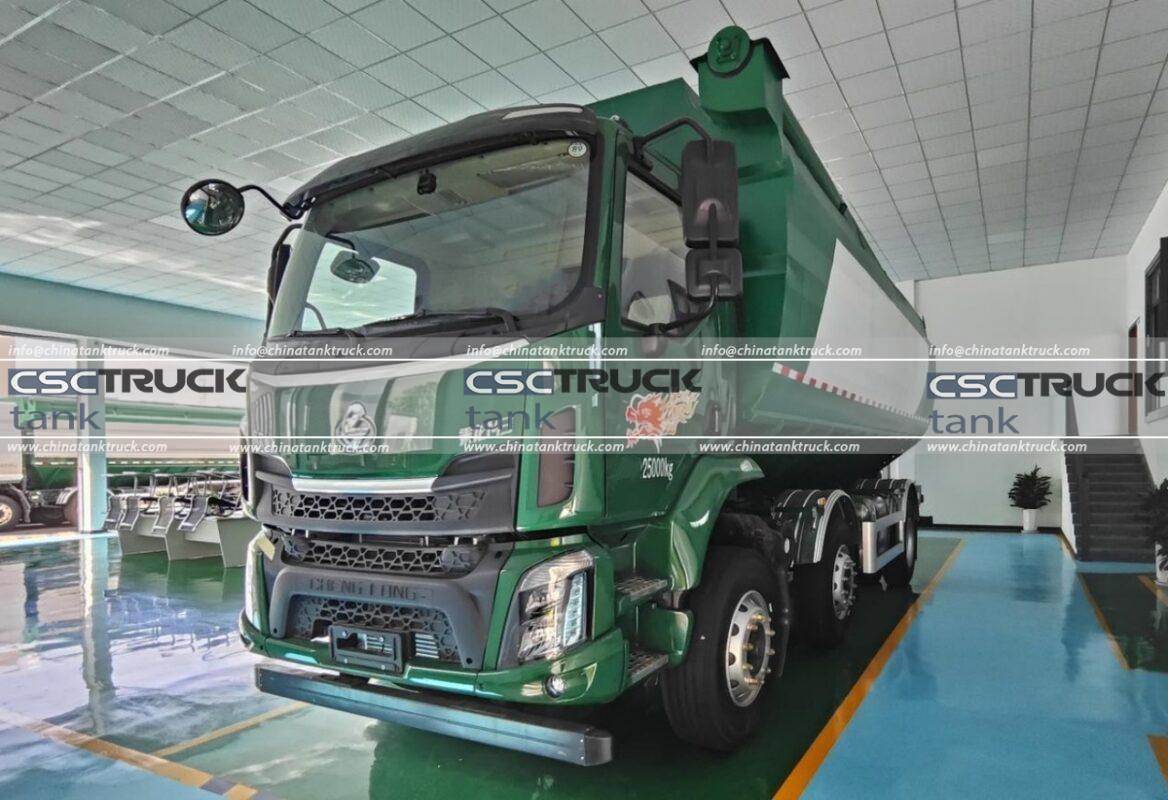
In the logistics and transportation industry, dry bulk trucks serve as specialized vehicles for transporting powdered or granular materials, including cement, lime powder, mineral powder, and feed. Selecting the right dry bulk truck not only enhances transportation efficiency but also reduces operating costs and ensures the safe delivery of materials. This guide offers a detailed overview to help you choose the most suitable powder and granular material transport truck among various brands and models.

Dry Bulk Truck Buying Guide
1. Understand the Core Structure of Dry Bulk Trucks
(a) Chassis Selection
The chassis forms the foundation of a dry bulk tanker truck, supporting the weight of both the vehicle and its cargo. When choosing a chassis, consider its load capacity, stability, and durability. Heavy-duty chassis are typically ideal for transporting large volumes of powders or granular materials, while light-duty chassis are better suited for smaller transport tasks.
(b) Tank Design
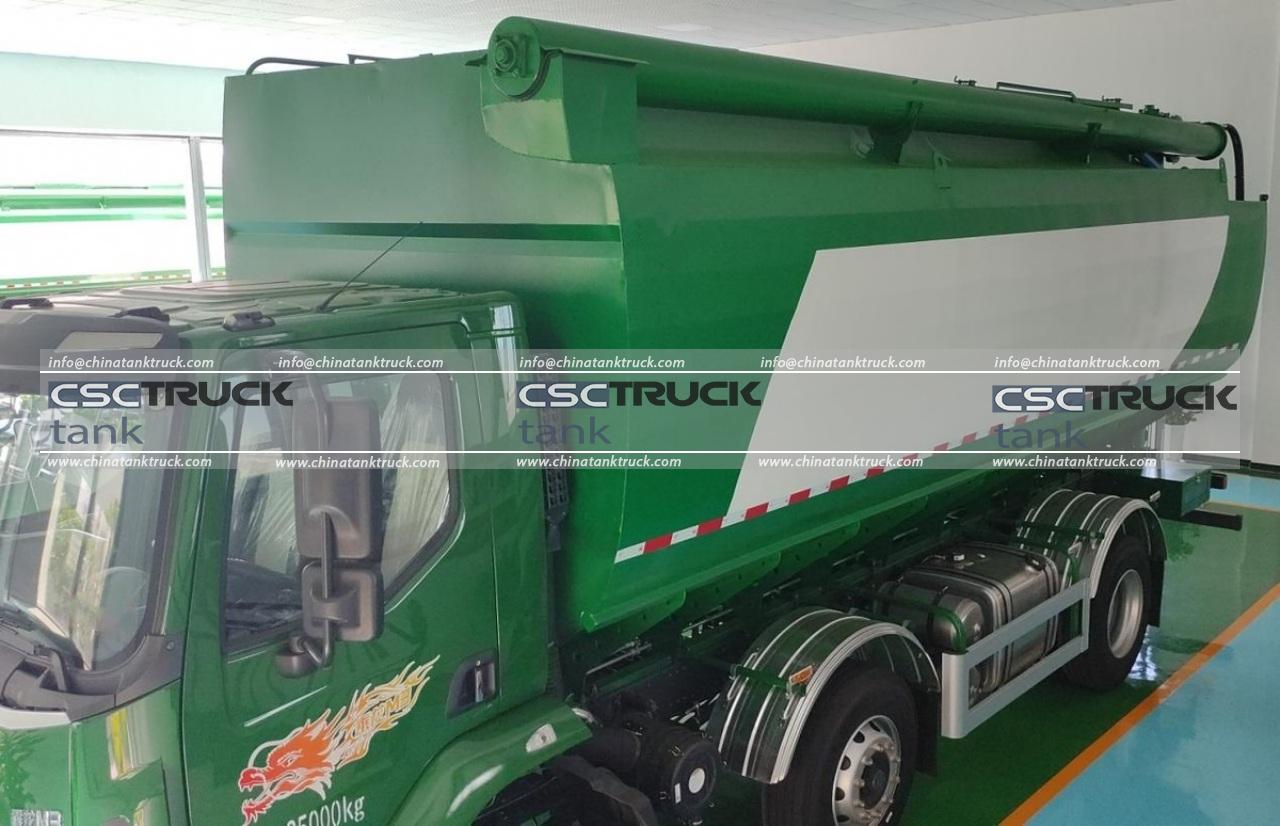
The tank is the heart of a dry bulk truck, directly influencing transport efficiency and material safety. Key factors to evaluate include tank shape, capacity, and construction material. Cylindrical tanks provide better stability and reduced air resistance, whereas rectangular tanks maximize cargo volume. Additionally, the tank material should offer strong corrosion and wear resistance to handle various powders and granular substances safely.
(c) Discharge System
The discharge system determines unloading efficiency and material integrity. Common methods include pneumatic and mechanical systems. Pneumatic systems use high-pressure air to discharge materials and are suitable for powders with good flowability. Mechanical systems, employing screw or scraper conveyors, are ideal for materials with higher viscosity.
2. Key Considerations When Selecting Dry Bulk Trucks
(a) Analyze Transportation Needs
- Transport Volume: Assess the daily or per-trip material volume. Larger capacities suit high-volume transport, while medium-sized vehicles are more efficient for smaller loads.
- Transport Distance: Long-distance routes demand trucks with high fuel efficiency and reliability, whereas short-distance transport prioritizes flexibility and quick loading/unloading.
(b) Evaluate Vehicle Performance
- Power: Choose a truck with sufficient engine power to ensure smooth acceleration and hill-climbing, even when fully loaded. Fuel efficiency should also be considered, especially for long hauls.
- Braking: Heavy loads make a dependable braking system critical. Disc brakes combined with auxiliary braking systems, such as retarders or exhaust brakes, enhance safety.
- Handling: Suspension and steering quality affect driving comfort and safety. A well-handled truck reduces driver fatigue and improves stability on the road.
(c) Brand and After-Sales Support
- Brand Reputation: Established brands typically offer better quality control, advanced technology, and durability, providing greater reliability.
- After-Sales Service: A wide-reaching service network with quick response times is essential to minimize downtime and maintain smooth operation.