
In modern energy logistics, propane transportation demands the highest levels of safety, structural integrity, and operational control. A precision-engineered propane tank truck is not simply a transport vehicle—it is a highly specialized pressure vessel system designed to move liquefied petroleum gas (LPG) under strict regulatory and engineering standards. Within this sector, manufacturers such as CSCTRUCK China Tank Truck play a significant role in developing advanced tank trucks that combine durability, safety intelligence, and efficient distribution capabilities.
Founded in Suizhou, Hubei, CSCTRUCK China Tank Truck is a well-established Chinese manufacturer specializing in tank trucks for LPG, chemicals, fuel, water, and industrial liquids. The company integrates research, production, and customization to deliver vehicles that meet international pressure vessel standards and diverse customer requirements across global markets.
Advanced Engineering Foundation of Propane Tank Trucks
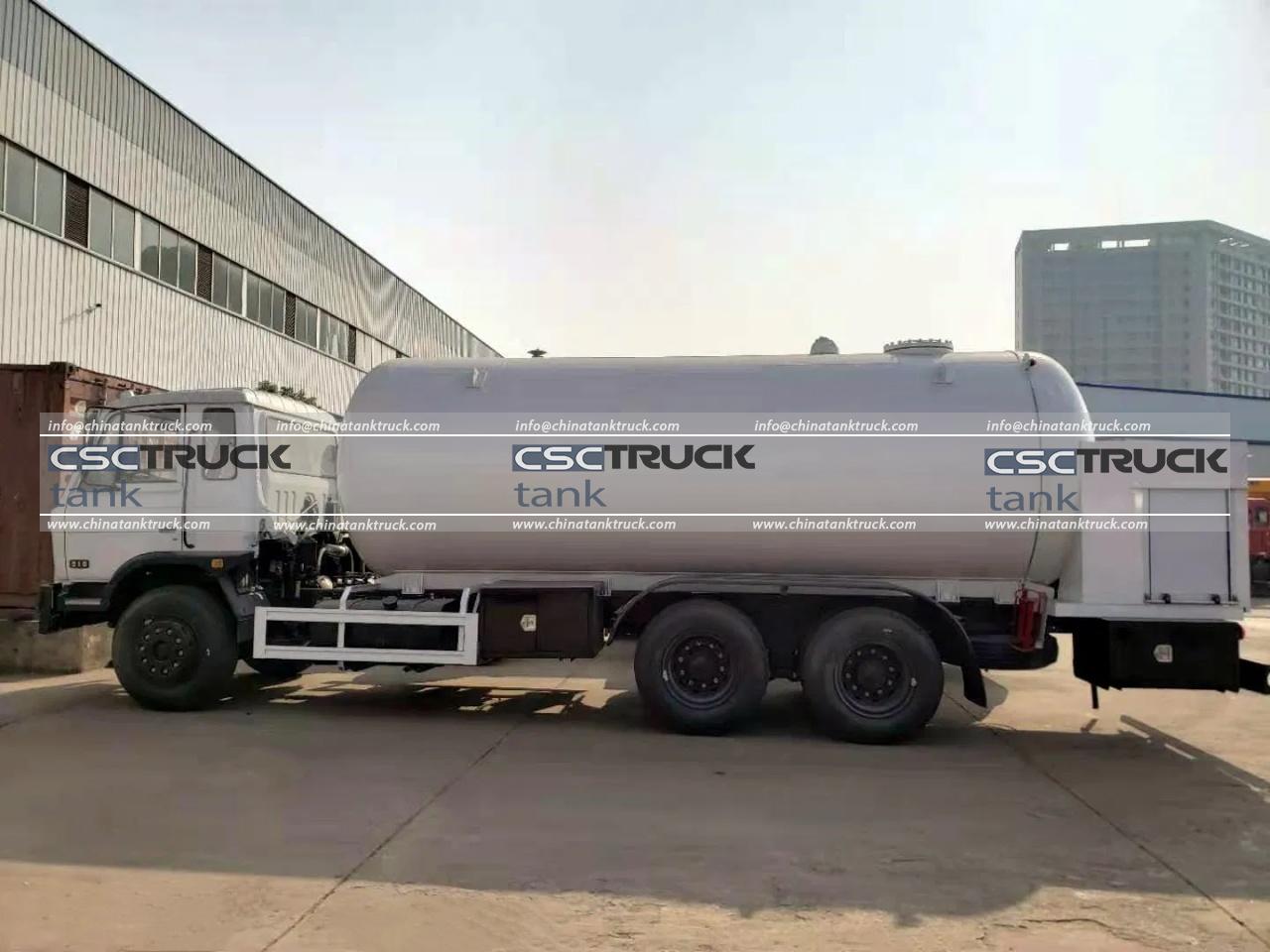
A propane tank truck is built around a high-strength cylindrical pressure vessel, typically constructed from carbon steel or Q345R/Q370R-grade steel. These materials are selected for their ability to withstand both internal pressure and external environmental stress.
For example, CSCTRUCK China Tank Truck propane tank systems commonly feature:
- Design pressures around 1.6–1.8 MPa
- Hydraulic test pressures up to 2.3 MPa
- Working temperature limits around -40°C to 50°C
These specifications ensure the tank maintains structural integrity even under extreme thermal expansion or pressure fluctuation during transportation.
The cylindrical design is reinforced with dished end caps and internal baffle plates, which reduce liquid surge during movement. This improves vehicle stability and minimizes stress on weld joints.
Integrated Safety Framework: Multi-Layer Protection System
The defining feature of a modern propane tank truck is its integrated safety framework, which includes multiple redundant protection layers designed to prevent leakage, overpressure, and operational hazards.
1. Pressure Monitoring and Control
The system includes:
- High-precision pressure gauges
- Temperature sensors
- Liquid level indicators
These components allow operators to continuously monitor tank conditions in real time, ensuring safe transport conditions at all stages.
2. Safety Valves and Emergency Venting
Safety valves are installed to automatically release excess pressure if internal levels exceed safe thresholds. In addition:
- Emergency venting systems activate during abnormal thermal expansion
- Breathing valves maintain pressure balance during normal operation
This prevents structural failure due to over-pressurization.
3. Anti-Corrosion and Structural Protection
To enhance longevity and reliability:
- Internal coatings resist LPG-induced corrosion
- External surfaces undergo sandblasting and anti-corrosion painting
- Weld seams are fully inspected using non-destructive testing methods
These measures ensure long-term operational safety, even in harsh environments.
Emergency Shutdown System (ESD): Critical Safety Intelligence
The Emergency Shutdown System (ESD) is the most important safety feature in a precision-engineered propane tank truck. It is designed to immediately isolate the LPG system in case of accidents, leaks, or abnormal operating conditions.
Key Functions of ESD:
1. Rapid Flow Isolation
The ESD system activates pneumatic or mechanical shut-off valves that:
- Immediately stop the LPG flow from the tank to the pipeline
- Isolate loading and unloading ports
- Prevent further gas release
2. Automatic Trigger Mechanisms
The system can be activated through:
- Pressure anomaly detection
- Manual emergency switch in the cab or the external control panel
- Collision or rollover sensors (in advanced configurations)
3. Bottom Emergency Shut-off Valve
A critical component is the bottom-mounted emergency shut-off valve, which:
- Automatically disconnects in case of pipeline rupture
- Uses pre-engineered cut grooves to break safely under extreme force
- Ensures containment of LPG inside the tank body
Operational Efficiency and Loading System Design
Beyond safety, modern propane tank trucks are engineered for high-efficiency fuel logistics. They are often equipped with:
- LPG pumps for controlled transfer
- Flow meters for accurate dispensing
- Gas dispensing guns for cylinder filling
- Quick-connect hose systems for fast operations
This allows the vehicle to function not only as a transport unit but also as a mobile refueling station, supporting remote or industrial fuel distribution networks.
Structural Design and Chassis Integration
CSCTRUCK China Tank Truck integrates tank systems onto robust commercial chassis platforms such as Dongfeng, HOWO, FAW, and others. The chassis selection is critical because it determines:
- Load capacity (typically 5–36 CBM LPG volume ranges)
- Road stability under full load
- Engine torque and fuel efficiency
- Brake and suspension reliability
For instance, larger models may use 6×4 or 8×4 drivetrain systems to support heavy LPG payloads exceeding 20 tons.

Digitalization and Smart Safety Monitoring
Recent advancements in propane tank truck engineering are shifting toward smart monitoring systems, including:
- Real-time telematics tracking
- Remote pressure monitoring
- Predictive maintenance alerts
- Digital emergency diagnostics
These systems enhance decision-making and allow fleet operators to respond proactively to potential safety risks.
Global Applications and Industrial Importance
Precision-engineered propane tank trucks are essential for:
- Residential LPG distribution networks
- Industrial fuel supply chains
- Agricultural heating systems
- Remote energy logistics in developing regions
CSCTRUCK China Tank Truck’s export presence across Africa, Asia, and South America highlights the global demand for reliable LPG transportation systems built with strong safety frameworks and adaptable configurations.
Conclusion
A precision-engineered propane tank truck with an integrated safety framework and emergency shutdown system represents the pinnacle of modern LPG transportation technology. Through advanced pressure vessel design, redundant safety systems, and intelligent emergency controls, these vehicles ensure that propane is transported with maximum reliability and minimal risk.
Manufacturers like CSCTRUCK China Tank Truck continue to refine these systems, combining industrial-grade engineering with evolving digital safety technologies. The result is a new generation of propane tank trucks that not only meet global safety standards but also redefine efficiency and operational security in energy logistics.
