

Bulk Feed Truck
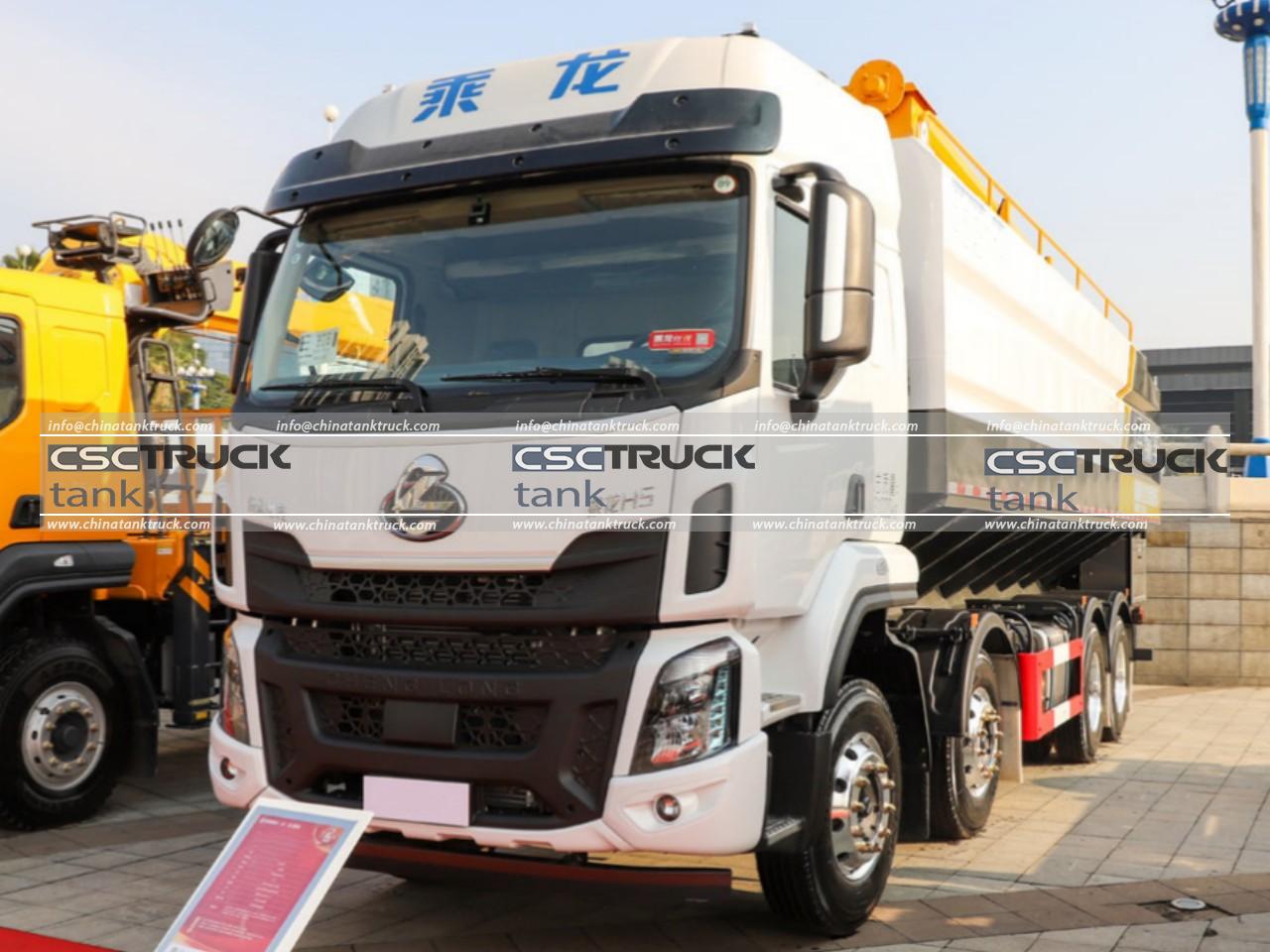

Bulk Feed Truck
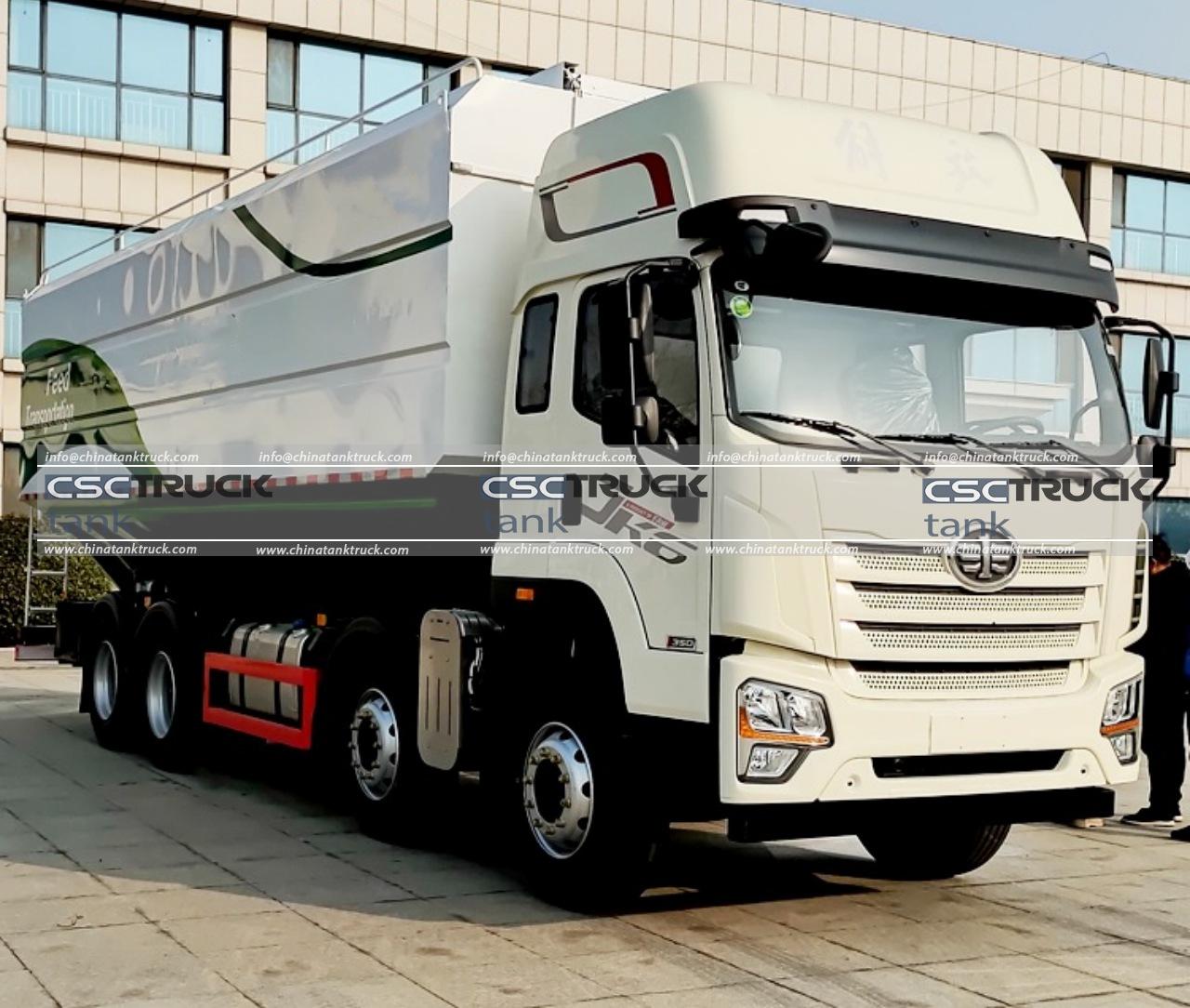

Bulk Feed Truck
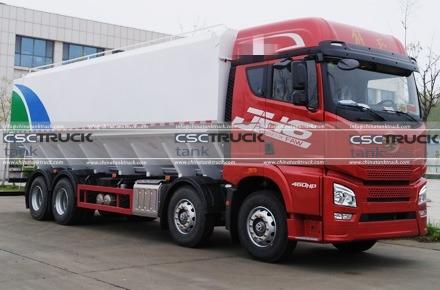

Bulk Feed Truck


Bulk Feed Truck
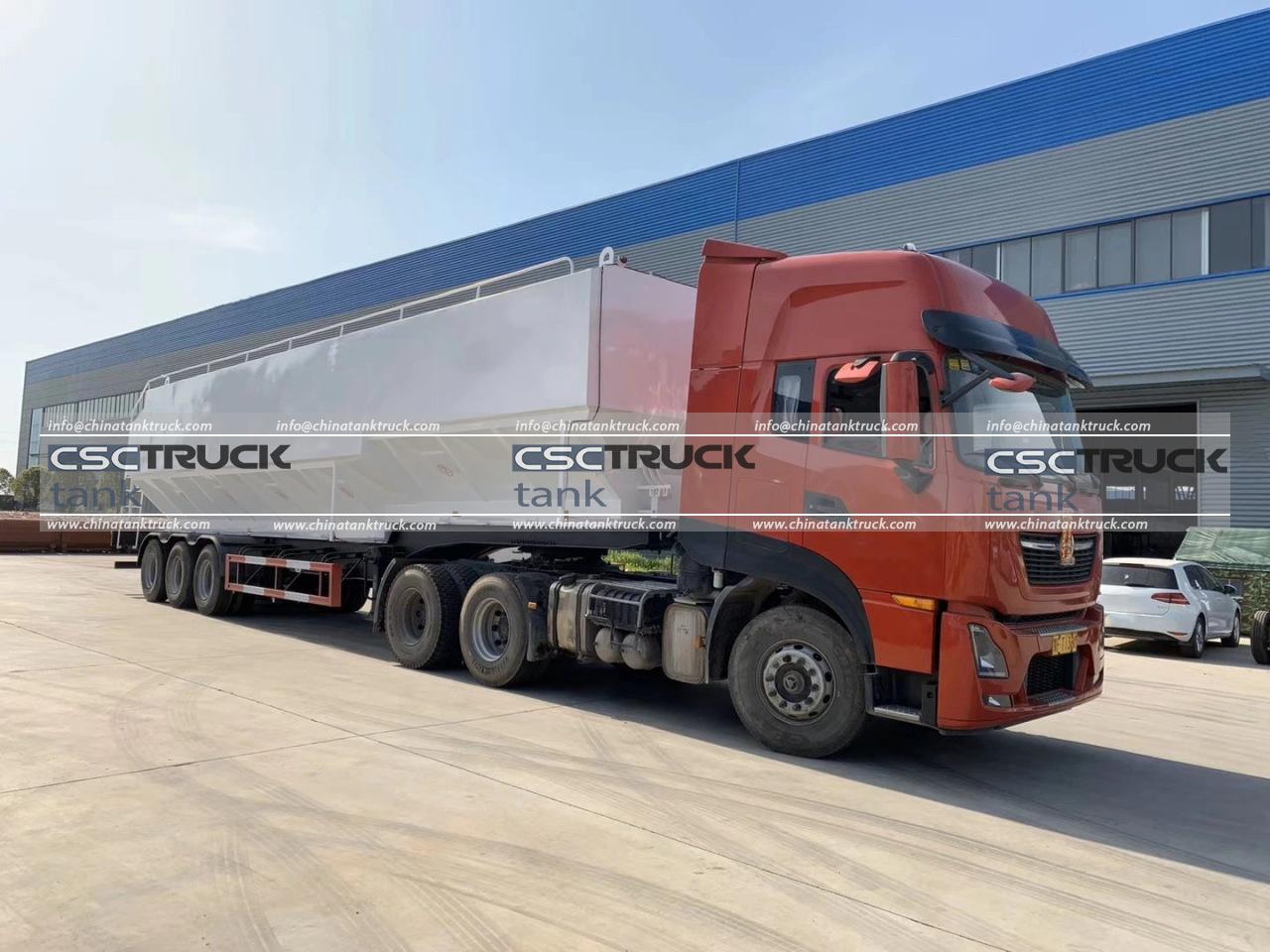

Bulk Feed Truck

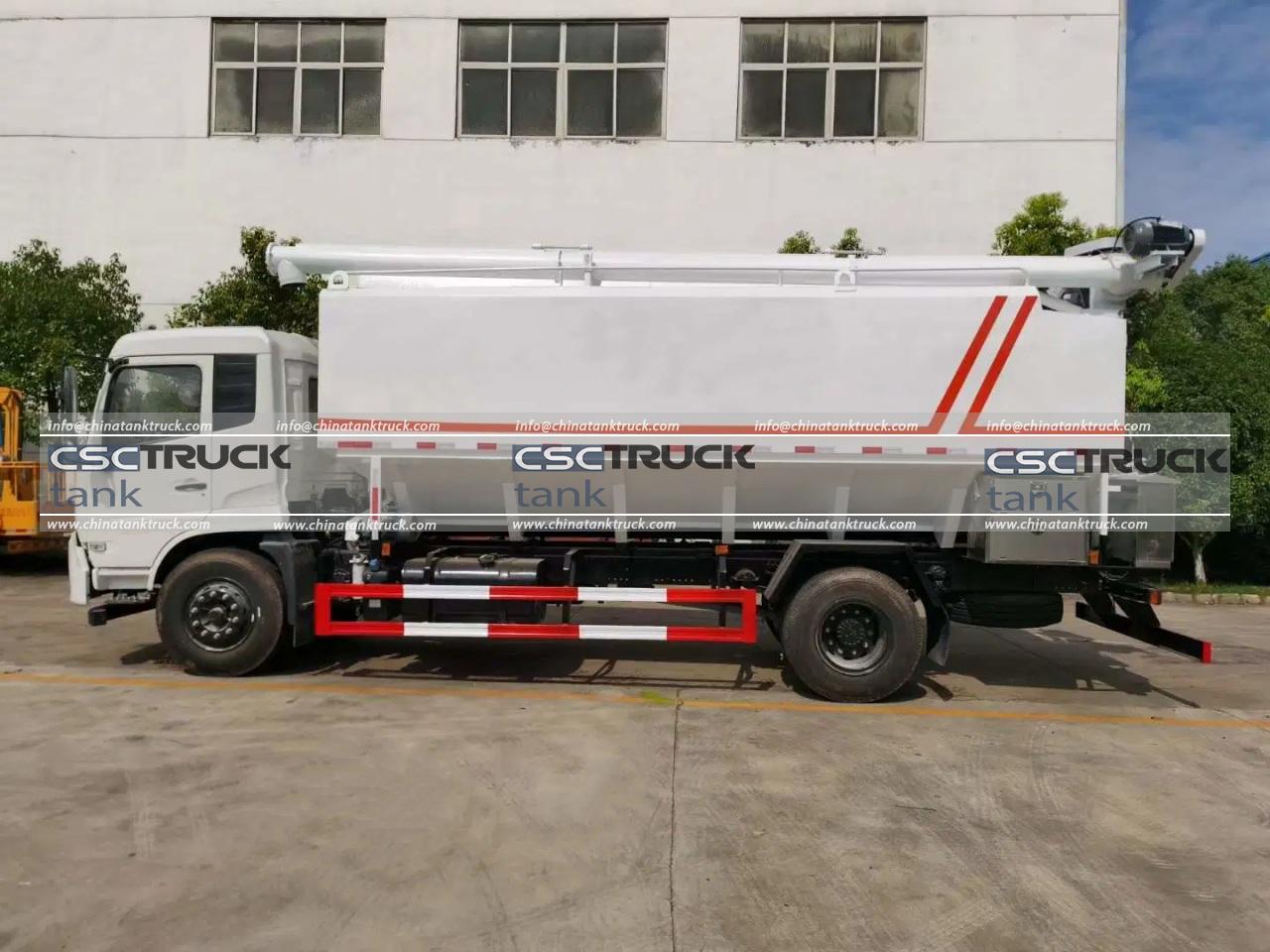
Bulk Feed Truck
About Bulk Feed Truck
A Bulk Feed Truck is a specialized vehicle engineered for the efficient transportation and delivery of bulk powdered and granular animal feed, including poultry feed, cattle feed, and other livestock nutrition products. Designed to streamline feed distribution across farms, feed mills, and agricultural facilities, these trucks offer a fast, hygienic, and fully controlled delivery method that protects product quality from loading to unloading.
At the core of a bulk feed truck is its multicompartment steel or aluminum tank, which allows different feed types to be transported simultaneously without cross-contamination. Each compartment is fitted with sealed hatches, an anti-moisture design, and smooth interior surfaces to maintain feed cleanliness and prevent residue buildup. The lightweight yet durable tank structure helps maximize payload while ensuring long-term resistance to corrosion and wear.
Bulk feed trucks are equipped with advanced pneumatic conveying systems, including blowers, augers, and hydraulic-driven discharge mechanisms that ensure precise and efficient feed unloading directly into farm silos or storage bins. The discharge process is fully enclosed, minimizing dust emissions and eliminating product loss during delivery. Operators can easily control flow rate and compartment selection through user-friendly valve systems and integrated control panels.
To ensure operational safety and reliability, these trucks incorporate reinforced chassis designs, anti-slip walkways, stable loading platforms, and optional monitoring systems such as pressure gauges and level indicators. Many models also offer features like automatic weighing systems, high-efficiency compressors, and remote-control unloading to improve productivity and reduce manual labor.
Built to handle various feed types under diverse working environments, bulk feed trucks deliver exceptional versatility for large-scale livestock operations, feed logistics companies, and agricultural cooperatives. Whether operating on farms or supporting feed mills, they provide a cost-effective, clean, and highly efficient solution for modern feed transportation and distribution.