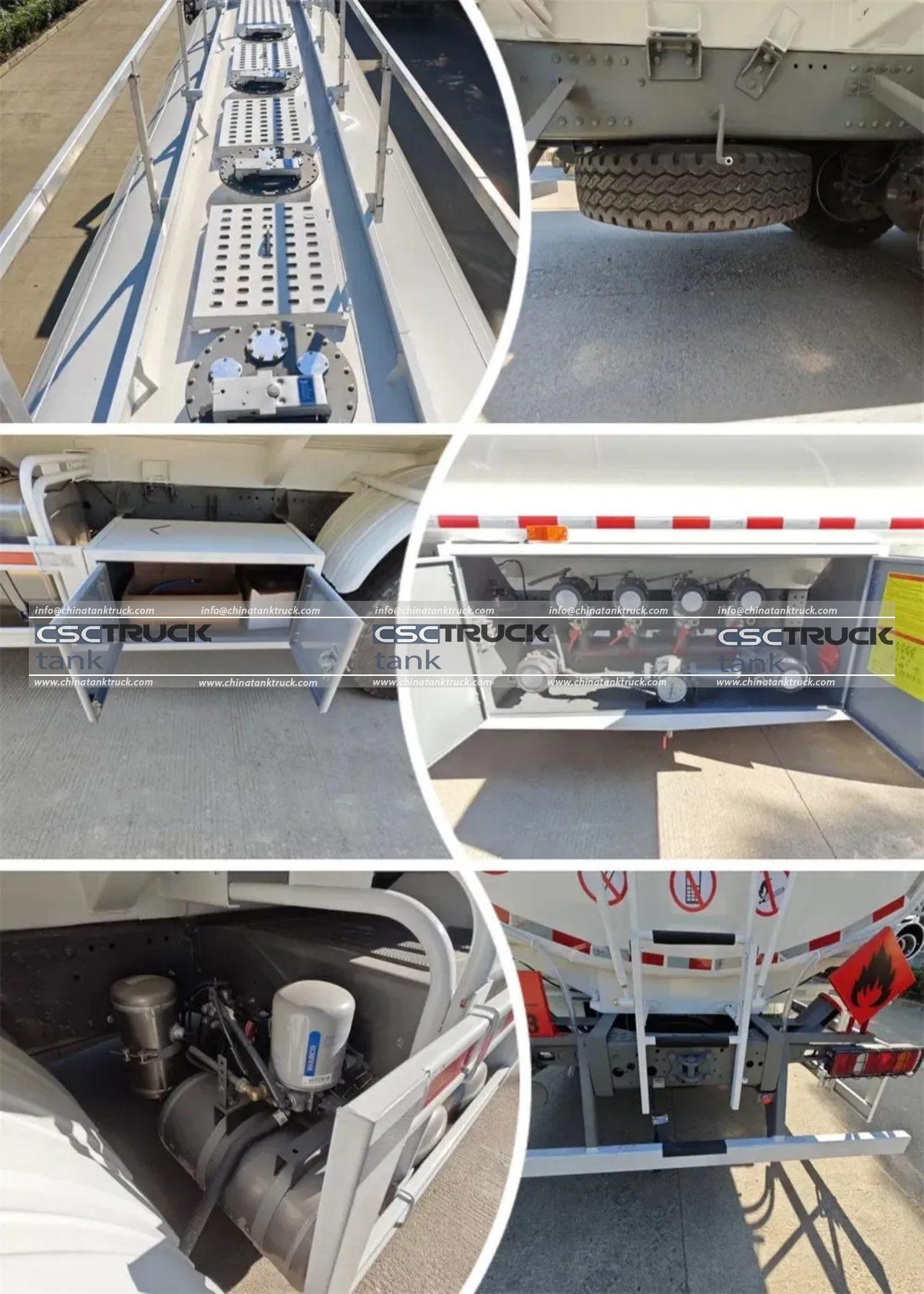

Introduction
Aviation refuelers play a critical role in airport ground operations by ensuring aircraft receive clean, accurately measured fuel safely and efficiently. Whether serving commercial airlines, military aircraft, cargo fleets, or private aviation, a high-performing aviation refueler minimizes turnaround time, improves operational safety, and reduces maintenance costs.
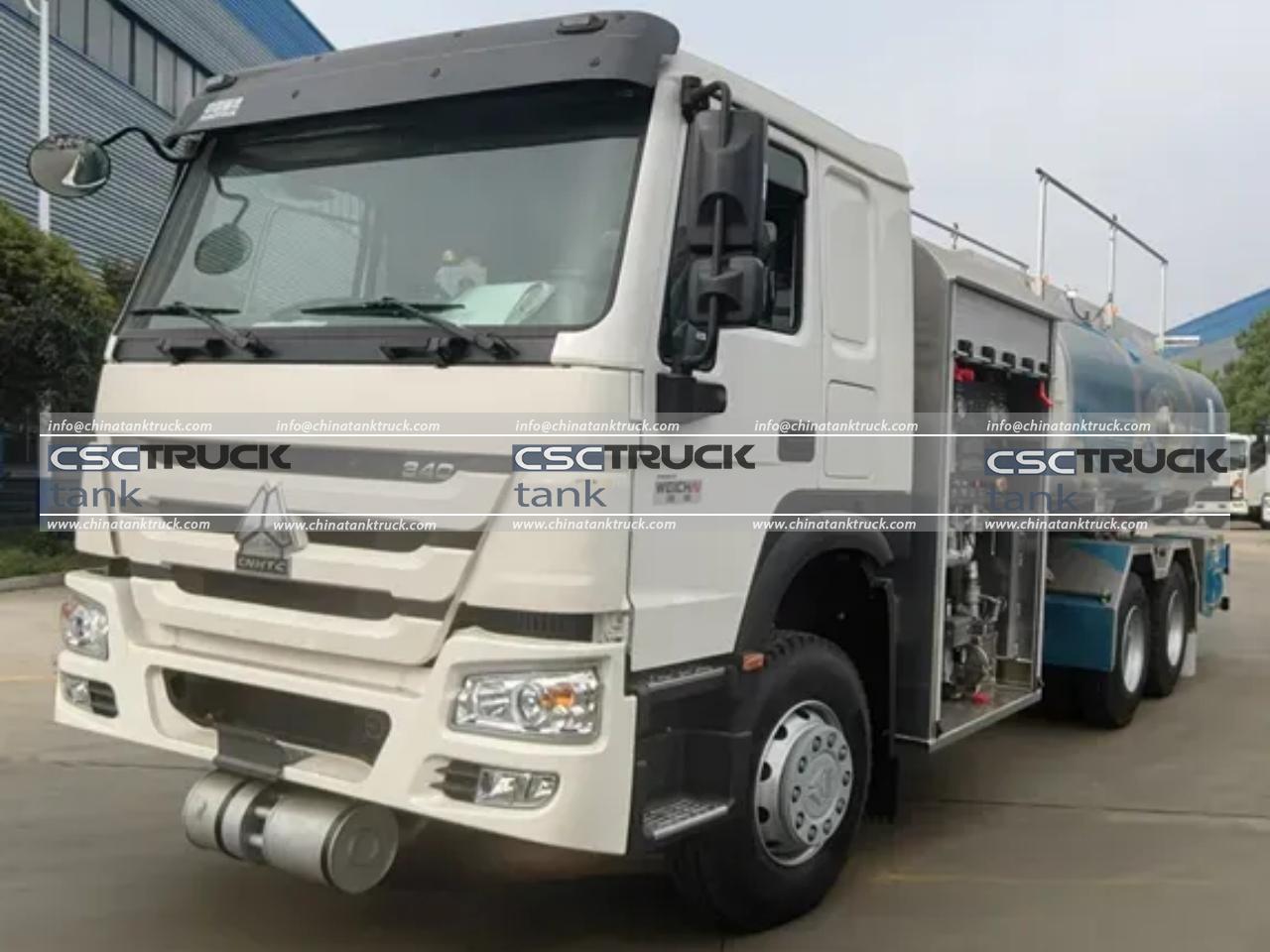
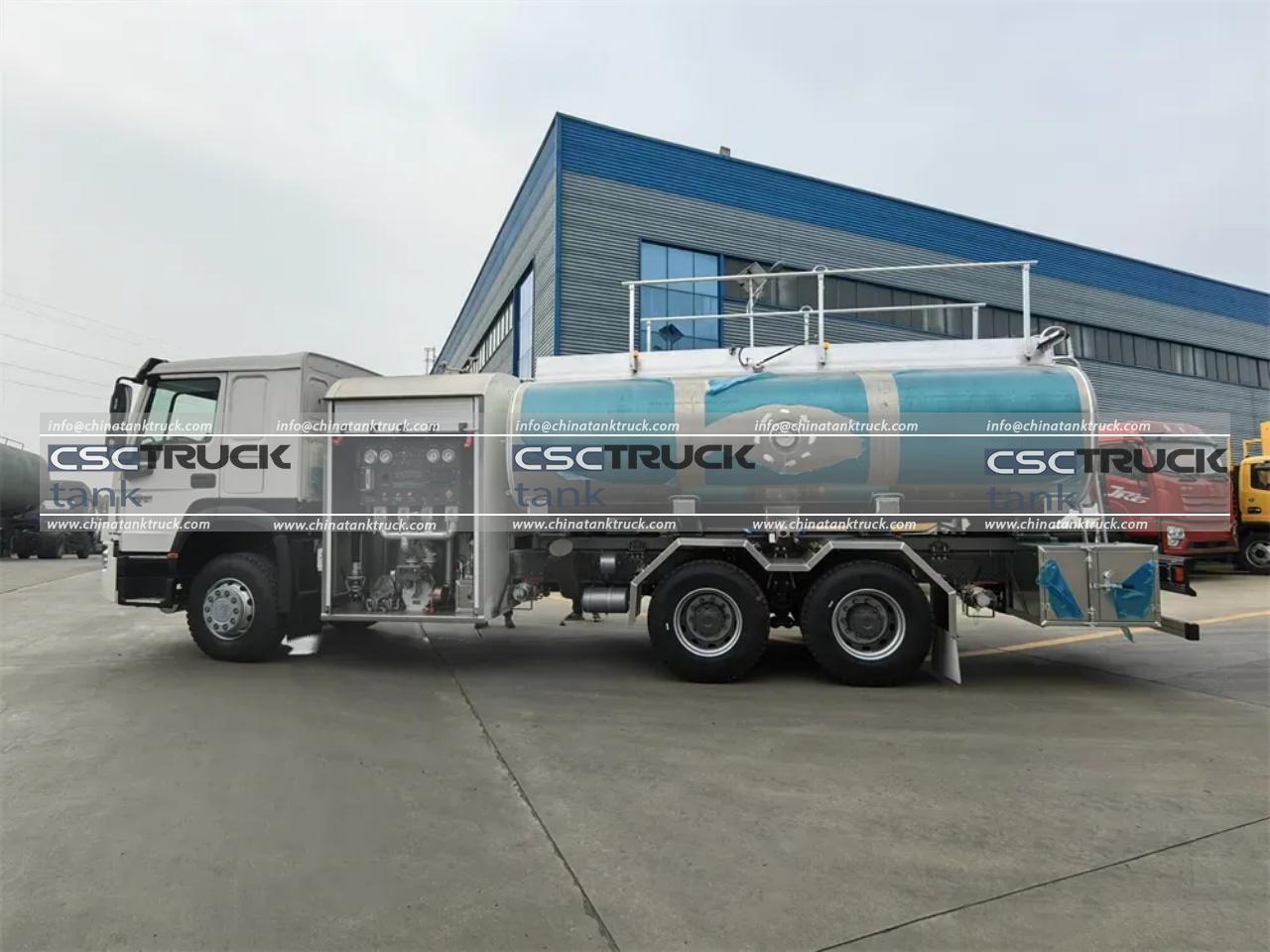
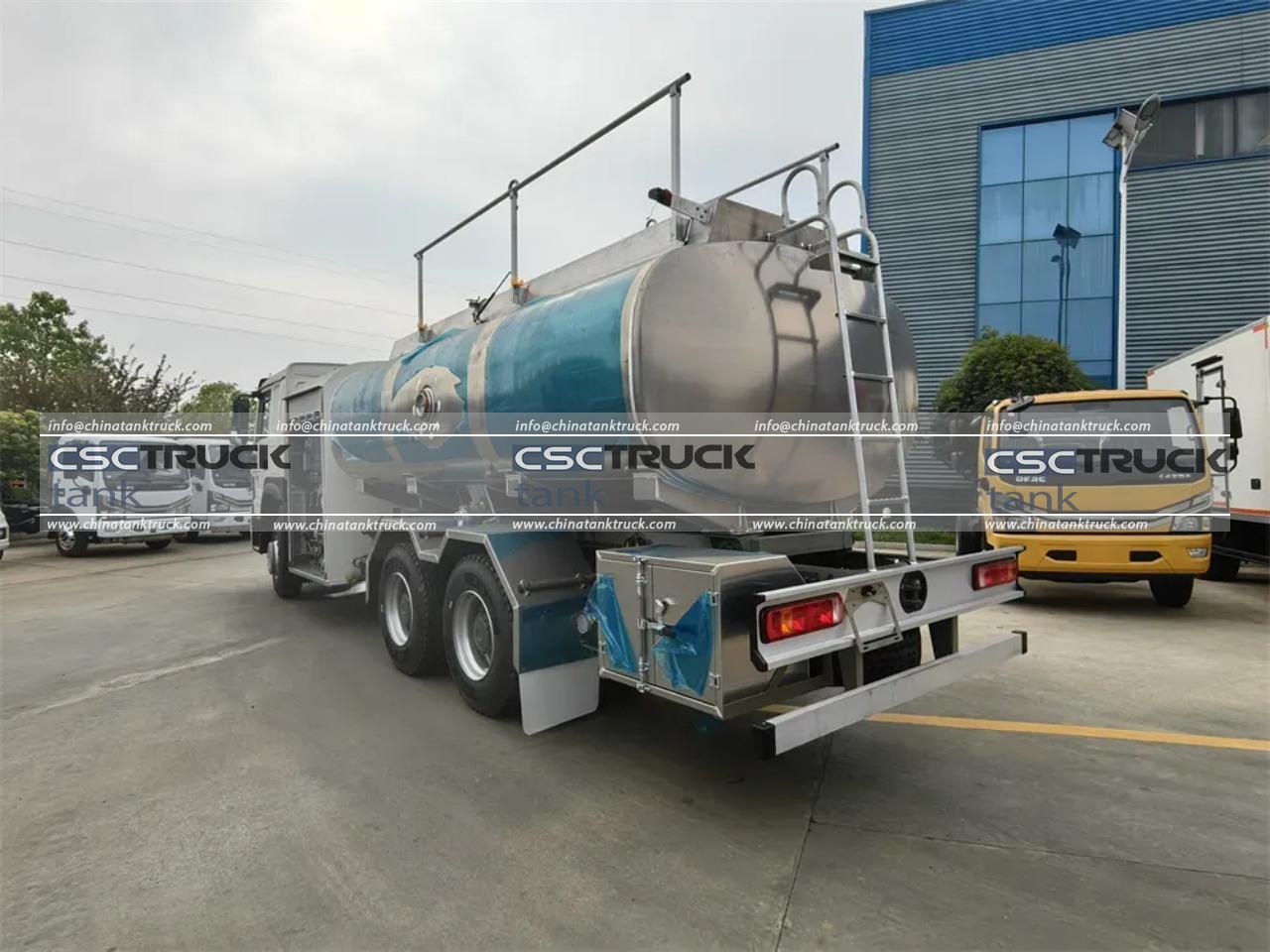
One of the trusted manufacturers in this field is CSCTRUCK China Tank Truck, a leading Chinese producer of specialized tank vehicles with more than 2 decades of manufacturing experience. The company designs and manufactures a comprehensive range of aviation refuelers, airport fuel trucks, and aircraft refueling trailers with capacities ranging from compact units for regional airports to high-capacity refuelers for international aviation hubs. Their vehicles feature advanced filtration systems, precision metering, high-flow pumps, and customizable configurations that meet demanding airport operational requirements.
To maximize the performance and lifespan of any aviation refueler, operators should follow these ten practical tips.
1. Perform Daily Pre-Operation Inspections
Every refueling shift should begin with a complete inspection of the vehicle and fueling equipment. Check:
- Fuel tank condition
- Hose reels
- Nozzles
- Pumps
- Valves
- Tires
- Braking system
- Grounding cables
- Emergency shutdown devices
Even small leaks or loose fittings can reduce fuel efficiency and create significant safety hazards. Early detection helps prevent costly repairs and unexpected downtime.
2. Maintain Fuel Filtration Systems
Fuel cleanliness is one of the most important aspects of aircraft refueling.
Water, dust, and microscopic particles can contaminate aviation fuel, potentially damaging aircraft fuel systems. Regularly inspect and replace:
- Filter separators
- Microfilters
- Water absorbers
- Differential pressure indicators
Replacing clogged filters before they become restricted maintains proper fuel flow while ensuring fuel quality meets aviation standards.
3. Keep Pumps Operating at Peak Efficiency
The pump is the heart of every aviation refueler.
To maintain consistent flow rates:
- Lubricate moving components
- Inspect seals
- Check impellers
- Monitor pressure readings
- Replace worn bearings
A well-maintained pump delivers stable fuel pressure, reduces operating time, and minimizes energy consumption.
4. Calibrate Fuel Meters Regularly
Accurate fuel measurement is essential for both operational efficiency and customer confidence.
Routine calibration ensures:
- Accurate billing
- Regulatory compliance
- Reduced fuel losses
- Consistent fueling records
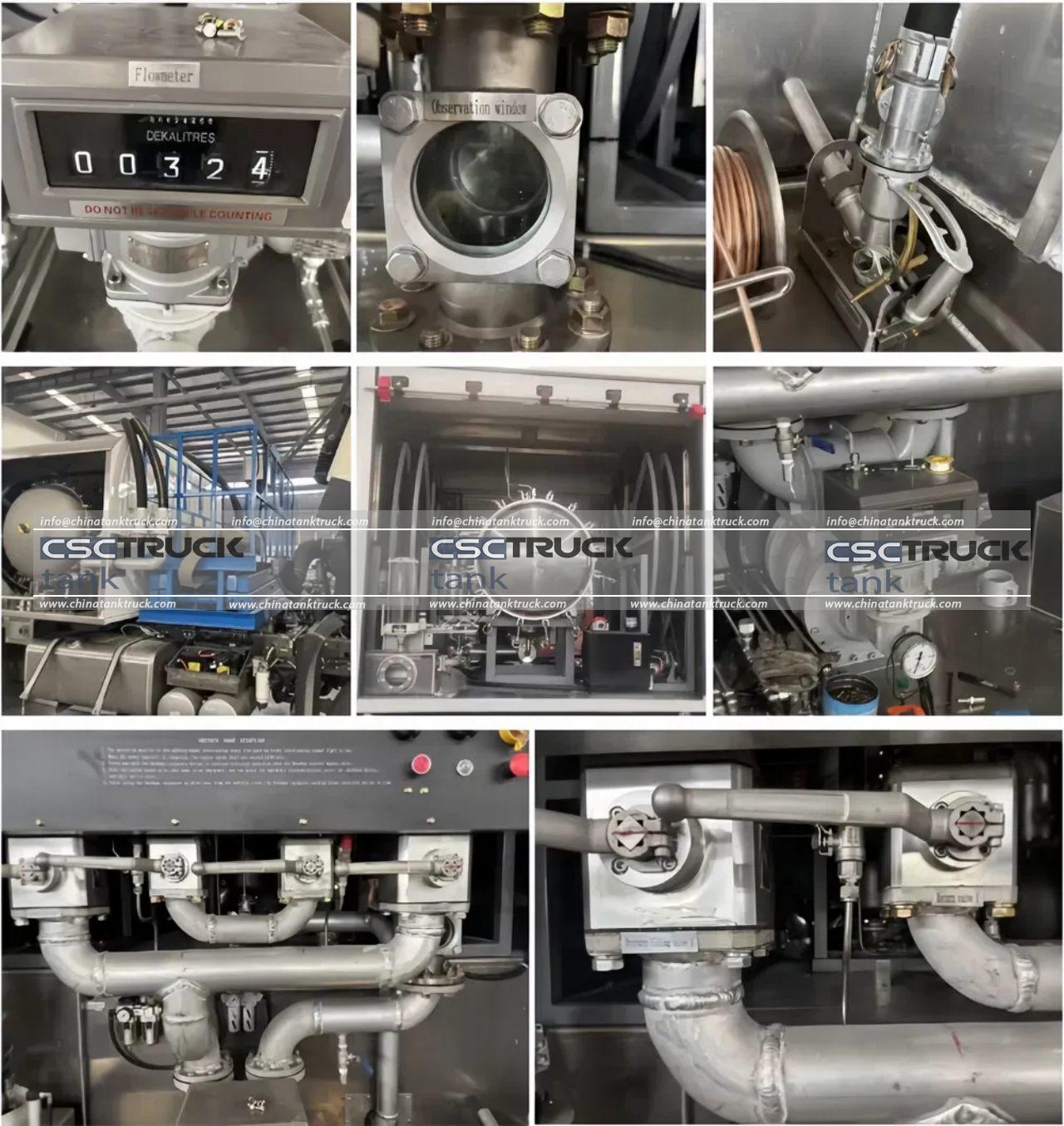
Many modern aviation refuelers utilize high-precision flow meters that should be verified according to local airport maintenance schedules.
5. Prevent Water Contamination
Water contamination remains one of the greatest threats to aviation fuel quality.
Operators should:
- Drain water from tank sumps
- Inspect storage compartments
- Check filter separators
- Keep fill caps tightly sealed
- Avoid fueling during heavy contamination events whenever possible
Removing water before refueling protects aircraft engines while reducing filter replacement frequency.
6. Train Operators Continuously
Even the best aviation refueler cannot perform efficiently without skilled operators.
Regular training should include:
- Safe fueling procedures
- Emergency response
- Fuel quality management
- Equipment inspection
- Hose handling
- Static electricity control
- Spill prevention
Experienced operators work more efficiently, make fewer mistakes, and extend the equipment’s service life.
7. Monitor Hydraulic and Electrical Systems
Modern aviation refuelers rely heavily on hydraulic and electrical components for efficient operation.
Routine inspections should include:
- Hydraulic hoses
- Oil levels
- Pumps
- Battery condition
- Wiring
- Control panels
- Emergency stop systems
Preventive maintenance helps avoid unexpected equipment failures during busy airport operations.
8. Optimize Tire Pressure and Vehicle Maintenance
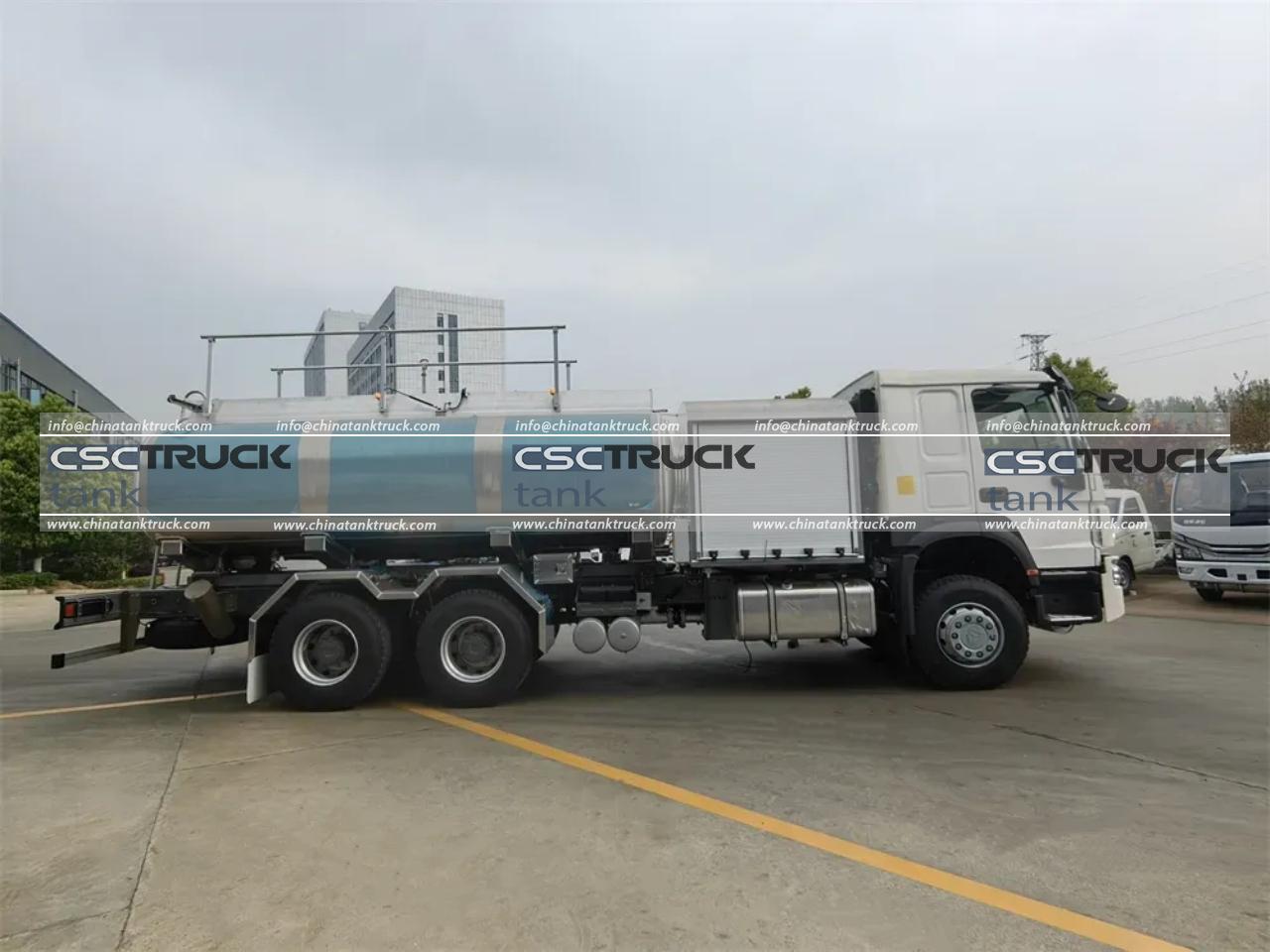
Although fueling equipment receives most of the attention, the truck chassis is equally important.
Proper maintenance includes:
- Correct tire pressure
- Suspension inspection
- Brake servicing
- Engine maintenance
- Transmission checks
- Steering system inspection
Well-maintained vehicles consume less fuel, handle better on airport aprons, and experience fewer breakdowns.
9. Reduce Unnecessary Engine Idling
Many aviation refuelers spend a significant amount of time waiting between aircraft.
Excessive engine idling:
- Wastes fuel
- Increases emissions
- Accelerates engine wear
- Raises maintenance costs
Whenever operational procedures permit, operators should shut down the engine during extended waiting periods or utilize auxiliary power systems if available.
10. Choose High-Quality Equipment from Reliable Manufacturers
Performance starts with selecting the right aviation refueler.
Reliable manufacturers invest heavily in:
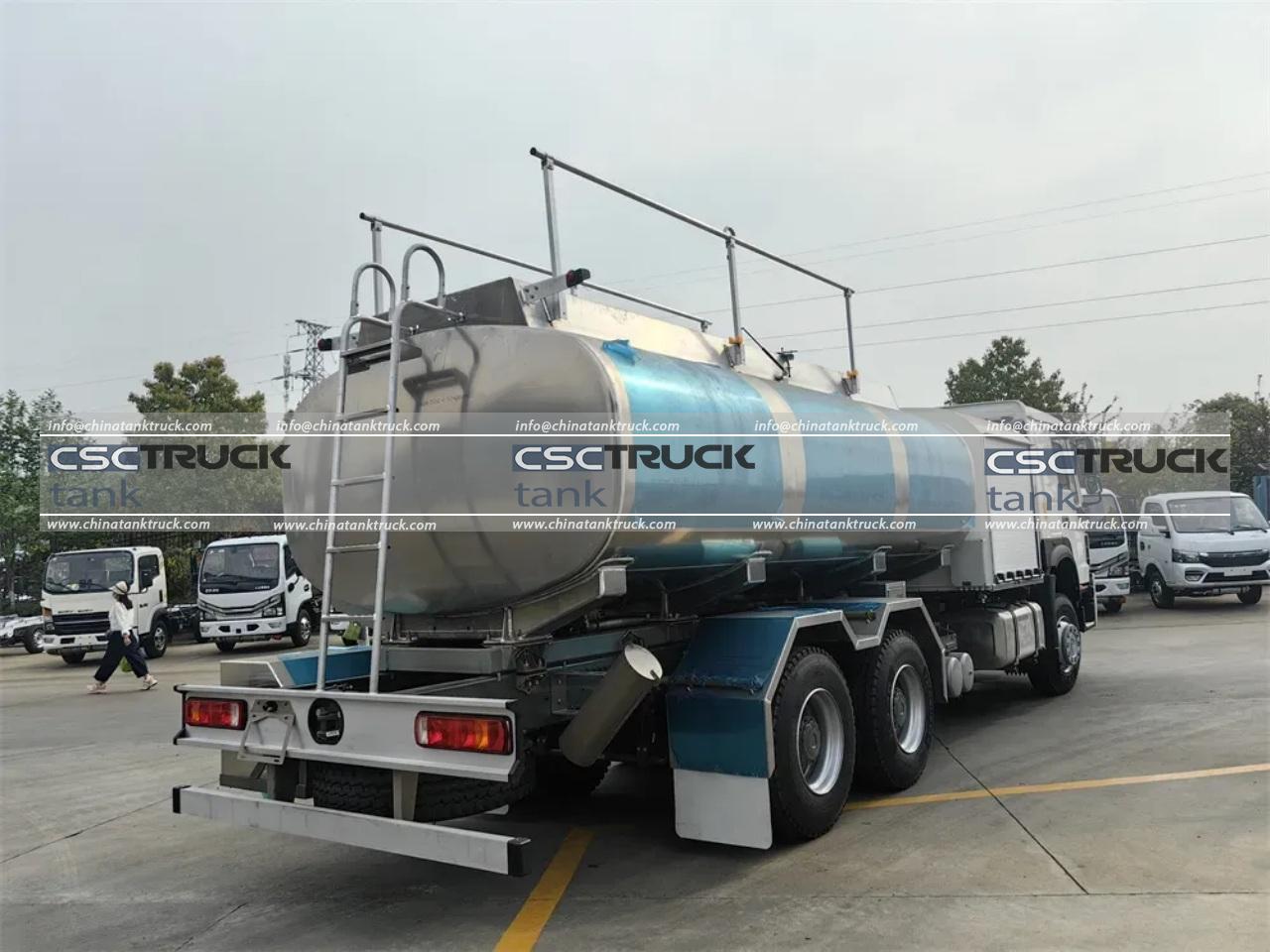
- Durable tank construction
- High-performance pumps
- Precision metering systems
- Aviation-grade filtration
- Corrosion-resistant materials
- Comprehensive safety systems
CSCTRUCK China Tank Truck offers aviation refuelers in various capacities and chassis configurations, including compact airport refuelers, medium-capacity trucks, and heavy-duty airport fueling vehicles. Many models feature aluminum alloy tanks, high-flow fueling systems capable of delivering up to 1,200 liters per minute, advanced filtration, and customizable options for different airport requirements.
Additional Best Practices
Beyond these 10 essential tips, airport operators can further improve aviation refueler performance by implementing preventive maintenance programs.
Useful strategies include:
- Keeping detailed maintenance records
- Scheduling periodic inspections
- Using genuine replacement parts
- Monitoring fuel consumption trends
- Conducting routine operator evaluations
- Following manufacturer maintenance intervals
- Maintaining clean storage environments
Data collected from maintenance records can also help identify recurring issues before they develop into expensive repairs.
Benefits of Maximizing Aviation Refueler Performance
Consistent maintenance and proper operation provide numerous long-term advantages:
- Faster aircraft turnaround times
- Improved airport operational efficiency
- Lower maintenance expenses
- Reduced fuel waste
- Enhanced operator safety
- Longer equipment lifespan
- Higher fuel quality assurance
- Better regulatory compliance
- Increased customer confidence
- Greater return on investment
These benefits directly contribute to smoother airport operations and reduced operating costs.
Conclusion
Maximizing aviation refueler performance requires far more than simply operating the equipment correctly. Daily inspections, preventive maintenance, fuel quality management, operator training, and careful monitoring of mechanical systems all contribute to safer, faster, and more reliable aircraft refueling.
Investing in a well-engineered aviation refueler is equally important. Manufacturers such as CSCTRUCK China Tank Truck provide specialized airport fueling solutions that combine advanced engineering, robust construction, precision fuel delivery, and customizable configurations for airports of every size. By combining quality equipment with disciplined maintenance practices, airport operators can significantly improve efficiency, reduce operating costs, extend equipment lifespan, and ensure safe, dependable aircraft refueling for years to come.