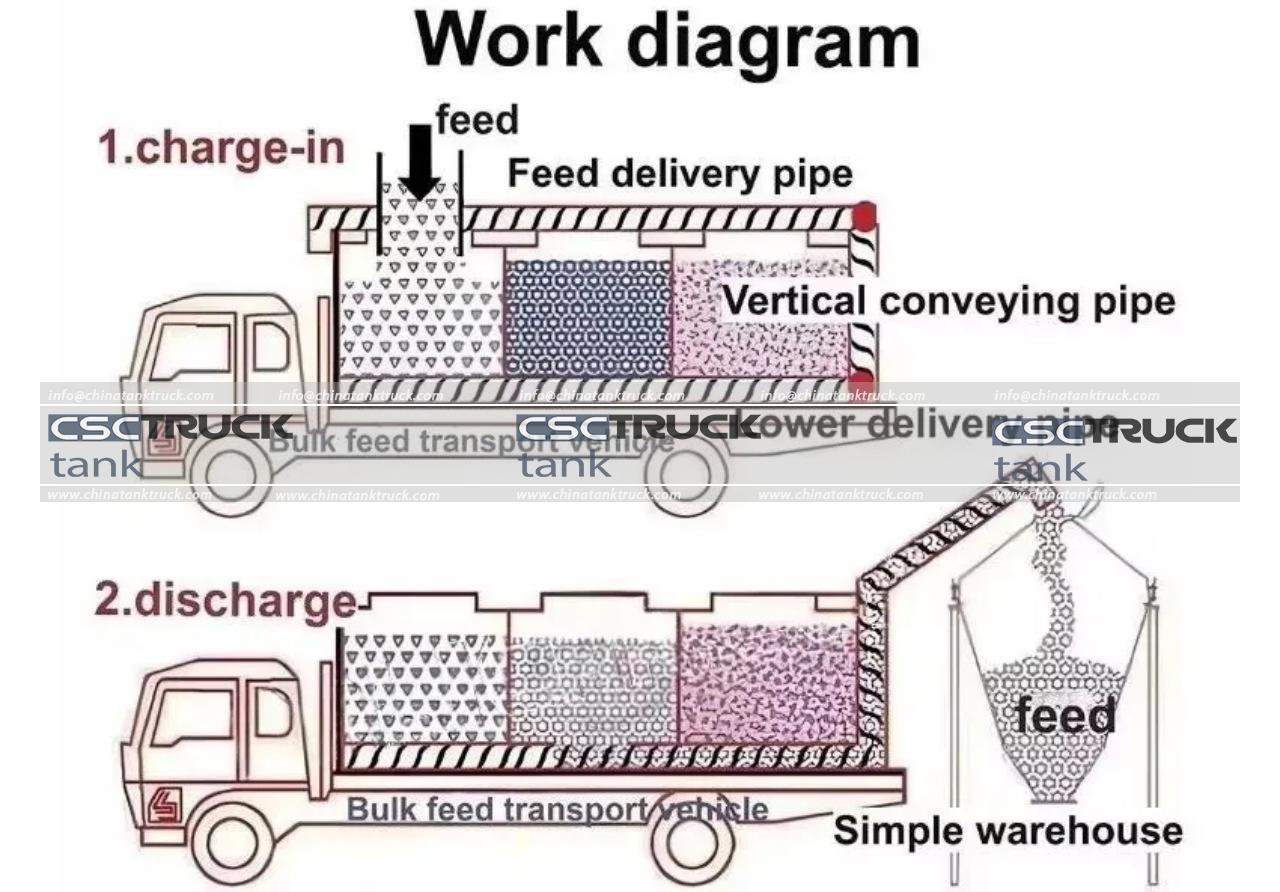

Grounding a pneumatic tank truck during unloading is one of the most important safety steps in dry bulk material handling. Pneumatic tank trucks use compressed air to transport and discharge materials such as cement, fly ash, lime, flour, powders, and other bulk products. During unloading, the movement of dry powder and the operation of pneumatic equipment can create static electricity. If this electrical charge is not safely controlled, it may produce a spark and create a serious ignition hazard in the wrong environment.
For this reason, grounding should never be treated as an optional step or a simple formality. A proper grounding procedure helps dissipate static electricity and establishes a safer electrical path between the pneumatic tank truck and the unloading facility.
CSCTRUCK China Tank Truck is a technology-driven manufacturer of tank trucks and specialized commercial vehicles. The company produces equipment for transporting liquids, gases, and powders and has developed a broad international customer base. Its product range includes pneumatic tank trucks designed for dry bulk material transport. With a focus on customized vehicle solutions, manufacturing capability, and quality control, CSCTRUCK China Tank Truck provides tank truck equipment for demanding industrial applications.
Why Must a Pneumatic Tank Truck Be Grounded?
The basic purpose of grounding is to control static electricity. When dry powder moves through the tank, discharge pipe, hose, and receiving system, friction can cause electrical charges to build up. Fine, dry materials are particularly capable of generating static electricity during pneumatic conveying.
The problem is not usually the existence of static electricity itself. The danger occurs when the accumulated charge suddenly discharges as a spark. If combustible dust, flammable vapor, or another ignition-sensitive atmosphere is present, that spark could potentially become an ignition source.
Grounding creates a low-resistance path for electrical charges to dissipate safely. In simple terms, it connects the conductive parts of the truck and unloading system to an appropriate grounding point so that unwanted electrical energy does not remain concentrated on the vehicle or equipment.
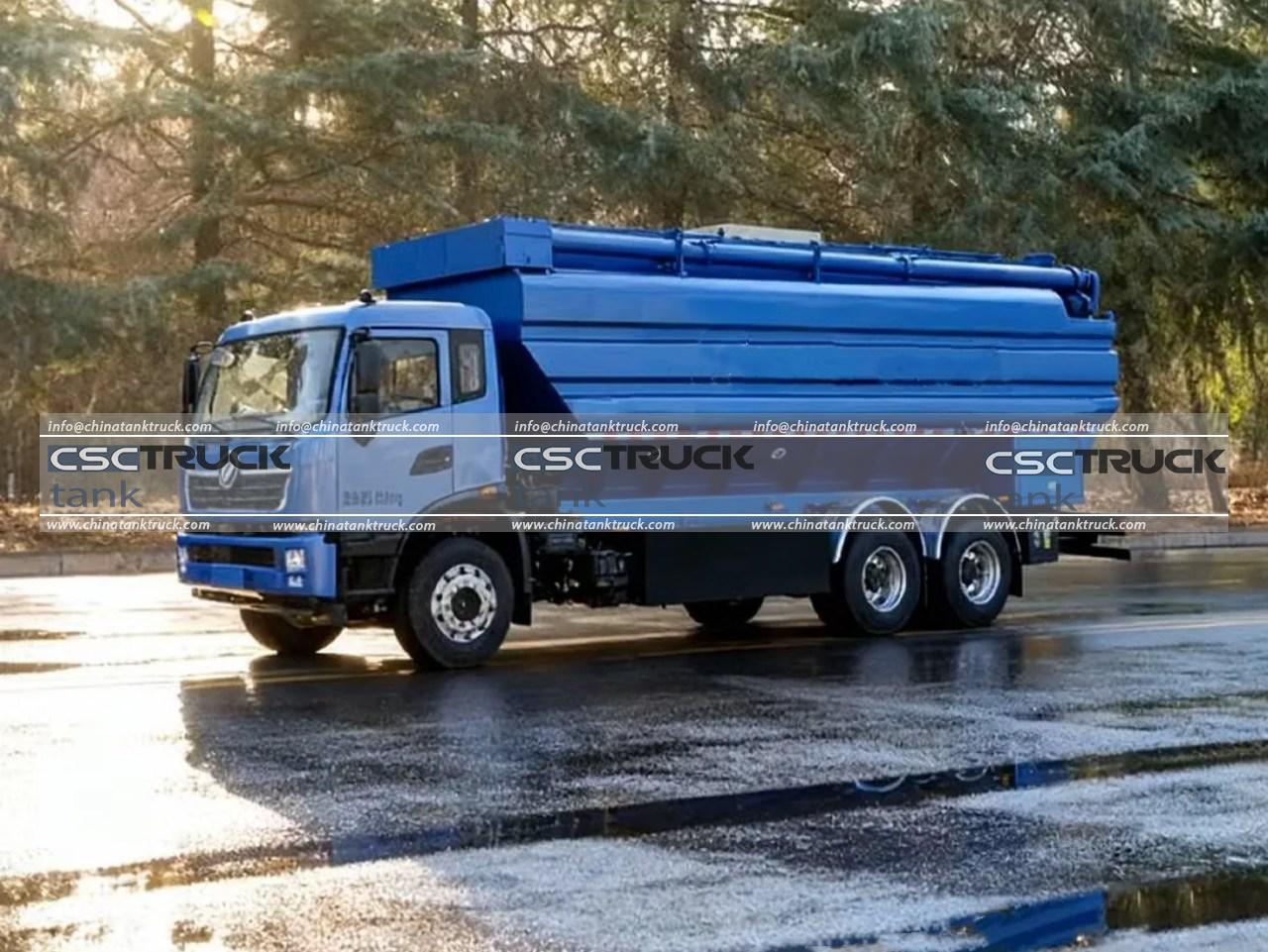
Step 1: Park the Truck in the Correct Unloading Position
The grounding procedure begins before the grounding cable is connected. The driver or trained operator should position the pneumatic tank truck in the designated unloading area.
The vehicle should be parked on a stable surface, with the parking brake applied. The truck should be correctly aligned with the receiving silo or unloading connection. If wheel chocks are required by the site’s procedures, they should be installed.
The unloading area should also be inspected. Operators should check for damaged electrical equipment, unusual spills, visible hazards, or conditions that could affect the unloading process. Grounding cannot compensate for poor site preparation.
Step 2: Identify the Approved Grounding Point
A pneumatic tank truck should be grounded to an approved grounding point designated by the facility. This may be a grounding bar, grounding rod system, or another engineered grounding connection suitable for the unloading operation.
Do not connect the grounding cable to random metal objects. A handrail, pipe, building frame, or other metal structure may not provide a reliable grounding path.
The receiving facility should have a clearly identified grounding point. Operators should know its location before the truck arrives for unloading.
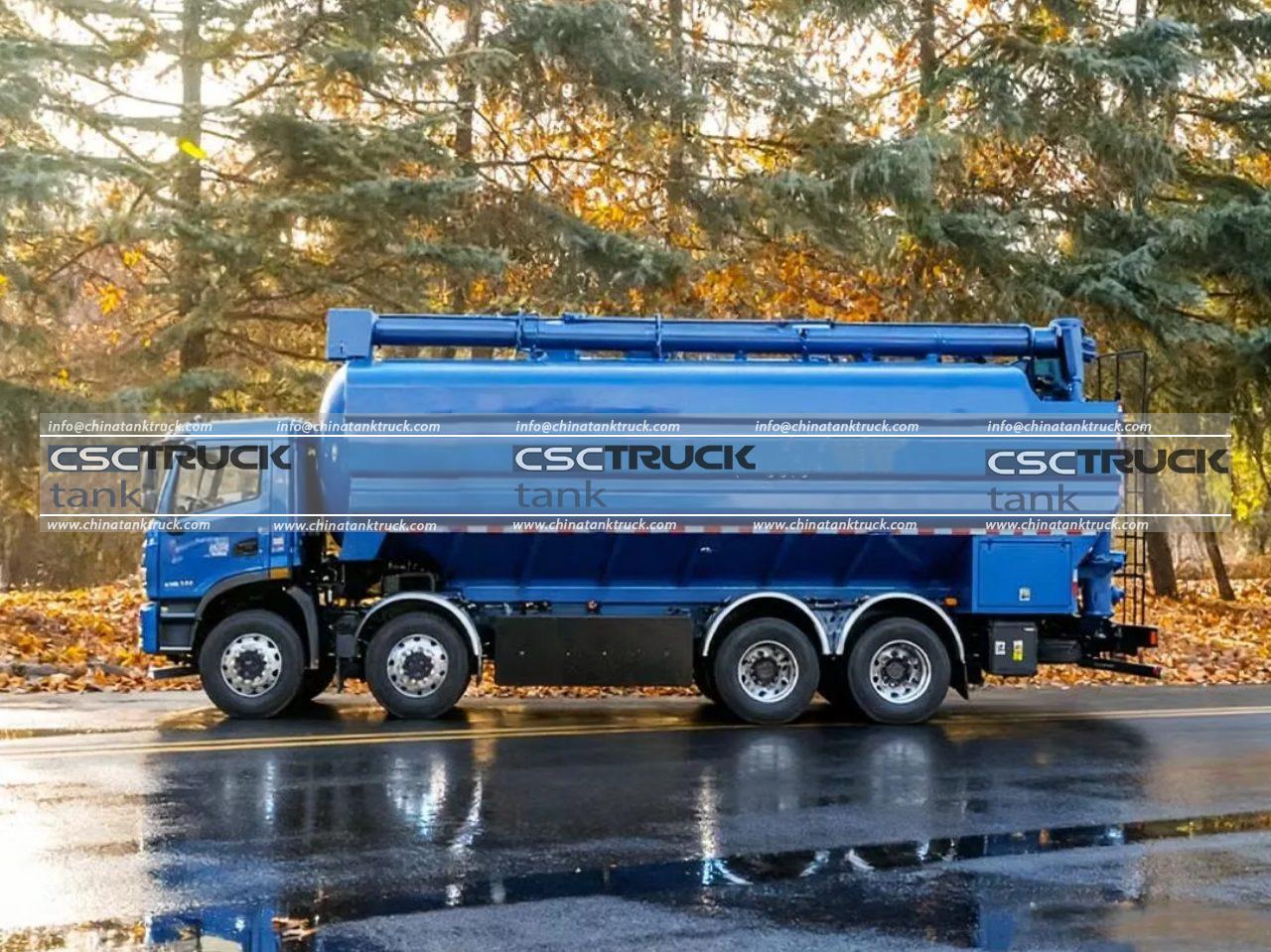
Step 3: Inspect the Grounding Cable and Clamp
Before making the connection, inspect the grounding cable. The cable should be in good condition, without broken strands, severe corrosion, melted insulation, or damaged connectors.
The grounding clamp should also be checked. Its contact surfaces must be clean enough to make a reliable electrical connection. Paint, dirt, rust, powder, or other contamination can reduce the quality of the connection.
A damaged grounding cable should not simply be wrapped, twisted, or temporarily repaired for unloading. Grounding equipment is a safety device and should be maintained according to the site’s maintenance and inspection procedures.
Step 4: Connect the Grounding Cable Correctly
The grounding cable should be connected between the approved facility grounding point and the designated grounding connection on the pneumatic tank truck.
In many operations, the cable is connected before pneumatic unloading equipment is started. The clamp should make firm contact with the designated conductive grounding point. Operators should avoid attaching the clamp to painted or heavily contaminated surfaces unless the truck’s approved grounding design specifically provides for that connection.
The grounding connection should be made according to the truck manufacturer’s instructions and the unloading site’s written procedure. Different pneumatic tank truck designs may use different grounding points or grounding arrangements.
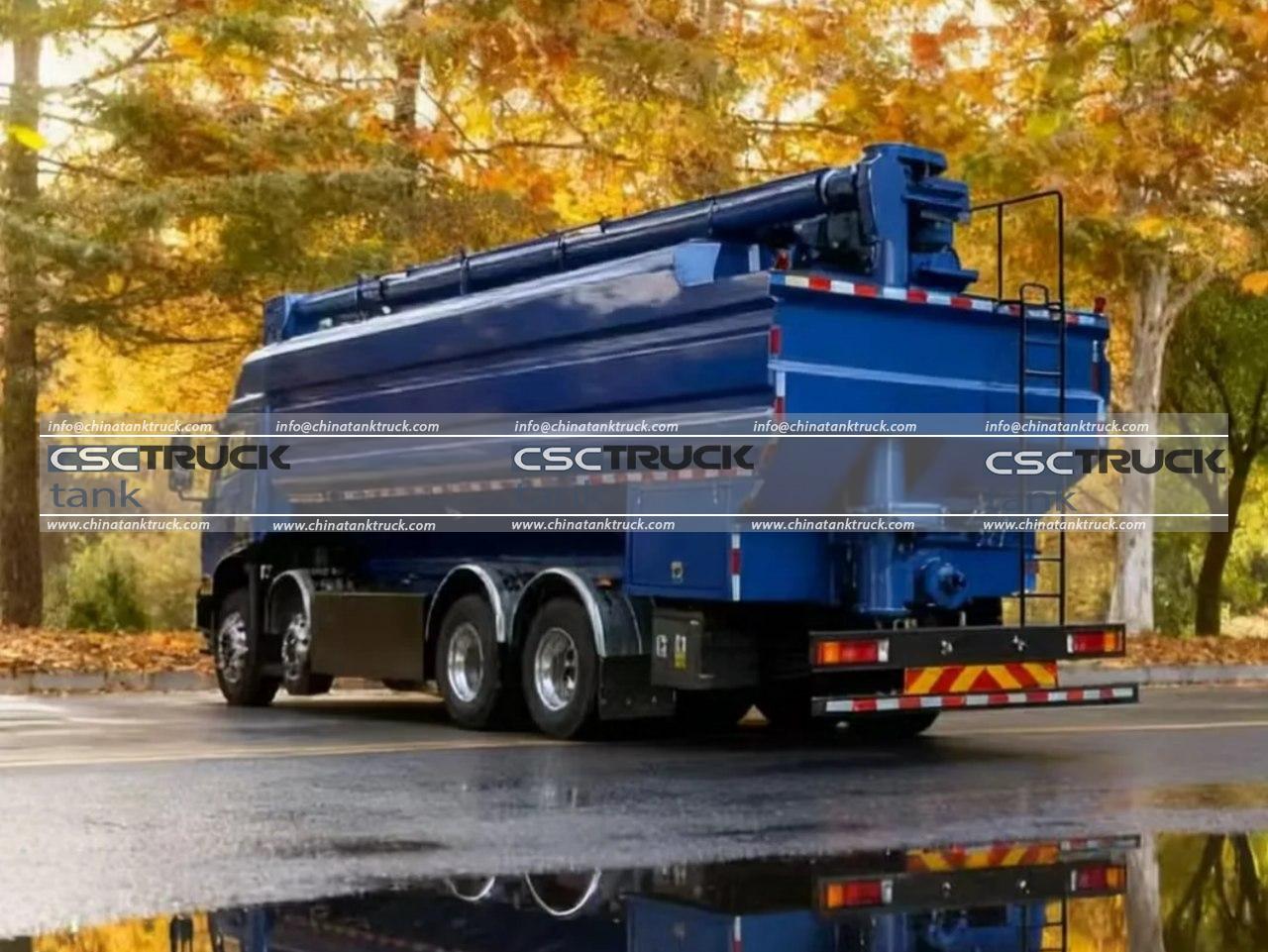
Step 5: Verify Grounding Before Unloading
Simply attaching a cable does not always prove that the truck is properly grounded. The grounding connection should be verified before unloading begins.
Some industrial unloading facilities use grounding monitoring systems or interlocks. These systems can check the grounding condition and may prevent unloading from starting if the grounding connection is missing or outside the required parameters.
If a grounding monitor is installed, operators should follow the system’s indication and site procedure. A fault alarm or failed grounding indication should be treated seriously. The operator should stop and investigate the problem rather than bypassing the system.
This is an important principle: Never defeat a grounding interlock just to keep unloading moving.
Step 6: Connect the Pneumatic Unloading System
After the grounding connection has been established and verified, the operator can proceed with the remaining unloading connections.
The discharge hose, product line, air connection, and other equipment should be connected according to the unloading procedure. The operator should ensure that all connections are properly secured.
Grounding is only 1 part of the overall unloading safety system. The operator must also control tank pressure, use the correct unloading valves, and monitor the pneumatic system throughout the operation.
Step 7: Keep the Grounding Connection in Place
The grounding cable should remain connected throughout the unloading process. It should not be removed simply because the initial static charge has been dissipated.
Static electricity can continue to be generated while dry bulk material is moving. The pneumatic blower, material flow, and unloading process can all contribute to ongoing electrical charge generation.
Therefore, the truck should remain grounded until unloading has been completed and the site procedure allows the grounding cable to be disconnected.
Step 8: Disconnect the Grounding Last
When unloading is complete, the operator should shut down the unloading system and follow the required pressure and valve procedures. The system should be placed in a safe condition before connections are disconnected.
The grounding cable should generally be removed only after the unloading process and related operations are complete. Disconnecting the grounding cable too early can remove the electrical safety path while the truck or equipment may still retain a charge.
The operator should then inspect the grounding equipment and return the cable to its designated storage position.
Common Grounding Mistakes to Avoid
Several common mistakes can reduce the effectiveness of grounding. These include connecting the cable to an unapproved metal object, using a damaged cable, attaching a clamp over thick paint or contamination, and removing the cable before unloading is complete.
Another dangerous mistake is assuming that a grounding cable automatically means the truck is grounded. The connection must be made to the correct points and verified according to the facility’s procedure.
Operators should also remember that grounding is not a substitute for proper pneumatic tank truck operation. Over-pressurization, incorrect valve operation, damaged hoses, and poor maintenance remain serious hazards.
Conclusion
Grounding a pneumatic tank truck during unloading involves more than simply attaching a wire. The correct process includes parking safely, identifying the approved grounding point, inspecting the cable and clamp, making a reliable connection, verifying grounding, keeping the connection in place during unloading, and disconnecting it only at the proper stage.
For operators of pneumatic tank trucks, this procedure should become a standard part of every unloading operation. When properly designed equipment is combined with trained personnel and disciplined operating procedures, the risks associated with static electricity can be significantly reduced.
As a manufacturer of pneumatic and other specialized tank truck solutions, CSCTRUCK China Tank Truck emphasizes practical, reliable equipment for bulk material transportation. Its manufacturing and engineering capabilities support customized tank truck solutions for customers in different international markets.