Introduction to CSCTRUCK China Tank Truck
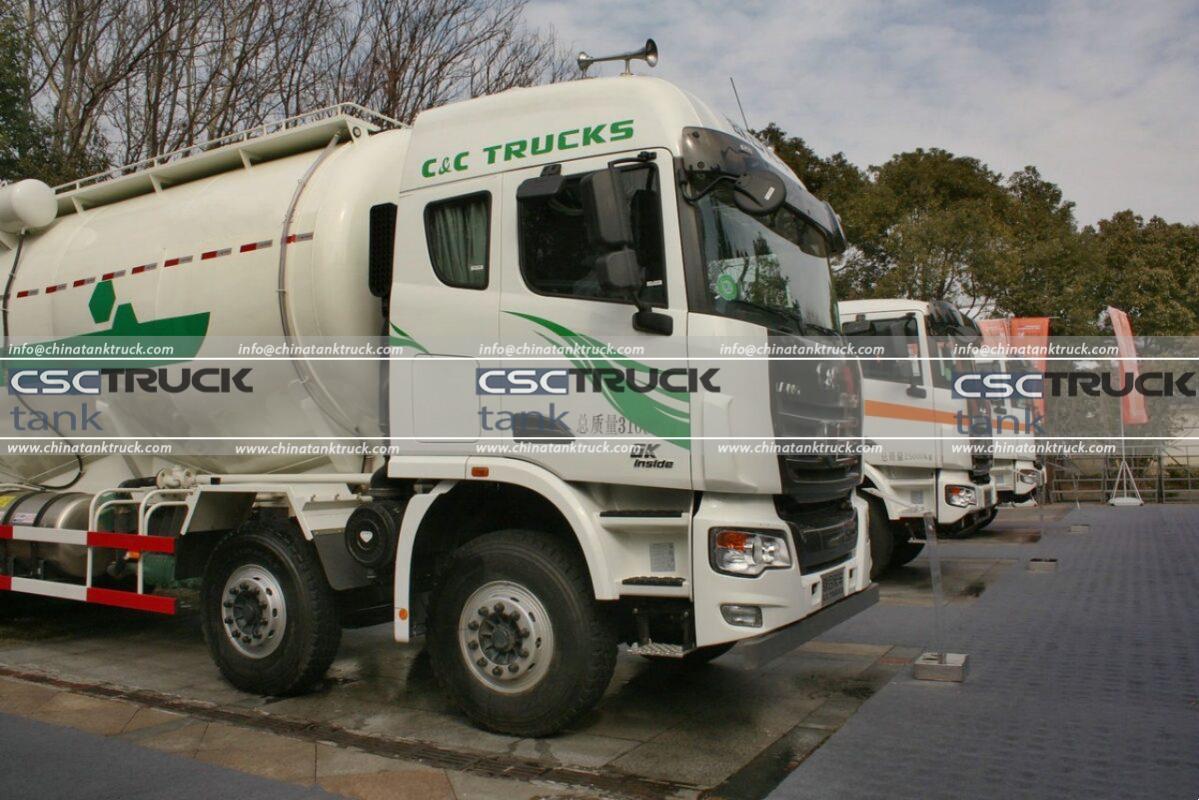
CSCTRUCK China Tank Truck, a leading manufacturer of specialized tank trucks in China, has built a reputation for producing high-quality, innovative vehicles for various applications, including transporting hazardous materials, liquids, and bulk goods. Their pneumatic cement tanker trucks are designed to efficiently transport dry bulk cement and other powders with minimal spillage and environmental impact. These trucks use advanced pneumatic technology to load, transport, and unload the material without any manual intervention, ensuring that the process is both efficient and safe.
CSCTRUCK China Tank Truck’s pneumatic cement tanker trucks are engineered to meet the highest standards of safety, performance, and reliability. They feature a robust chassis, durable tank structure, and powerful pneumatic systems, which make them a preferred choice for industries that require large-scale cement transportation, such as construction, infrastructure, and mining. The design also prioritizes ease of maintenance, allowing operators to keep the truck in peak working condition, ensuring longevity and safety.
In this article, we will delve into the operating principle of pneumatic cement tanker trucks, focusing on how they work, the key components involved, and the processes behind loading, transporting, and unloading cement using pneumatic technology.

What is a Pneumatic Cement Tanker Truck?
A pneumatic cement tanker truck is a specialized vehicle designed to transport dry bulk materials, such as cement, sand, or flour, using a pneumatic unloading system. The truck features a large, pressurized tank that holds the powdery material and a pneumatic system that uses compressed air to transfer the material from one location to another.
The key advantage of pneumatic cement tanker trucks is their ability to transport dry bulk materials with minimal dust and spillage. The system operates with high efficiency and allows the materials to be unloaded quickly at their destination, which is particularly important for cement distribution and construction sites.
The operating principle of pneumatic cement tankers revolves around utilizing the forces of air pressure and suction to load, transport, and unload bulk cement. Let’s break down the essential steps involved in the operation of these trucks.
1. Loading Process
The first step in the operation of a pneumatic cement tanker truck is loading the material. The loading process typically occurs at a cement plant or a storage facility where bulk cement is stored. The key components involved in the loading process are:
- Compressor System: A powerful compressor is used to generate compressed air, which is directed into the tank to create a pressurized environment. The compressor is typically powered by the truck’s engine or an independent engine designed specifically for this purpose.
- Loading Pipe and Valves: The loading pipe is connected to the silo or storage facility from which the cement will be loaded. The operator connects the pipe to the silo’s valve, which opens to allow the material to be pumped into the truck’s tank. The valve system ensures a smooth, controlled flow of material into the tank without overloading it.
- Air Pressure: As the compressed air is pumped into the tank, the air pressure forces the cement into the tank through the intake pipe. This process is automated, with sensors monitoring the air pressure and material flow to prevent any spillage.
- Sealing the Tank: Once the tank is loaded with cement, the tank’s hatch is sealed to maintain the pressure inside. This step is crucial as it prevents air leakage, which could result in inefficient transport or the loss of the material during transit.
2. Transportation
Once the tank is filled, the truck begins its journey to the destination. The transportation phase is relatively straightforward, but there are several important factors to ensure smooth and efficient movement:
- Vehicle Stability: Pneumatic cement tanker trucks are designed with a low center of gravity to provide stability during transportation. The tank’s design helps distribute the weight evenly across the axles to prevent tipping or uneven wear on the tires. This is especially important when the truck is transporting heavy loads.
- Pressure Maintenance: During transportation, the truck’s pneumatic system must maintain the air pressure within the tank. This is achieved through continuous monitoring of the tank’s pressure levels and automatic adjustments by the compressor to keep the flow steady.
- Environmental Safety: CSCTRUCK China Tank Truck designs its pneumatic cement tankers to minimize the risk of dust and environmental contamination. The tank is sealed, and the pneumatic system is tightly controlled to prevent any spillage during transport. The tank’s airtight design also helps maintain the integrity of the cement, keeping it dry and free from contamination.
3. Unloading Process
The unloading process is where the pneumatic cement tanker truck’s technology truly shines. Unlike traditional bulk cement trucks, which require manual labor or complex mechanical systems to unload, pneumatic tankers use compressed air to pneumatically transfer the cement from the truck’s tank to a silo or storage facility.
- Unloading Valve: Upon arriving at the destination, the operator connects the unloading hose to the receiving silo. The unloading valve is then opened, allowing the compressed air to flow into the tank, creating a pressure differential that forces the cement out of the tank.
- Suction and Air Flow: The truck’s pneumatic system uses a combination of suction and air pressure to move the cement through the hose and into the silo. The system is highly controlled, ensuring that the material flows smoothly and quickly without any risk of clogging or spillage. The suction side of the system helps pull the cement from the tank while the pressurized air pushes it toward the unloading point.
- Controlled Airflow: The unloading process requires careful control of the airflow to ensure that the pressure inside the tank remains balanced. If the pressure is too high, it could lead to an overpressure situation or cause damage to the tank. Conversely, if the pressure is too low, the flow rate could decrease, resulting in inefficient unloading.
- Completion and Sealing: Once the tank is empty, the unloading valve is closed, and the truck’s pneumatic system is powered down. The tank is then sealed again to prevent air leakage, ensuring that the truck is ready for the next load.
4. Key Components of the Pneumatic Cement Tanker Truck
Several key components enable the smooth operation of a pneumatic cement tanker truck. These components include:
- Compressor: The compressor is responsible for generating the compressed air used in both loading and unloading the cement. It is one of the most critical components of the pneumatic system.
- Tank: The tank is where the cement is stored during transportation. It is made from durable materials like aluminum or steel and is designed to withstand the high pressures generated by the pneumatic system.
- Airlines and Valves: These pipes and valves direct the flow of compressed air into and out of the tank. They are carefully designed to minimize air leakage and ensure efficient operation.
- Hoses: Flexible hoses are used to transfer the cement to and from the truck’s tank during loading and unloading. These hoses are designed to handle the high-pressure airflow without bursting or causing blockages.
Conclusion
Pneumatic cement tanker trucks are an essential part of the cement distribution industry, providing a safe, efficient, and environmentally friendly method of transporting dry bulk cement. By utilizing the principles of compressed air and pneumatic technology, CSCTRUCK China Tank Truck’s pneumatic cement tankers ensure that cement can be loaded, transported, and unloaded with minimal dust, spillage, and loss of material.
The design of these trucks, along with their efficient pneumatic systems, makes them a reliable and cost-effective solution for bulk material transport. As industries continue to demand faster and more efficient transportation solutions, pneumatic cement tanker trucks will remain at the forefront of the cement transportation industry.
