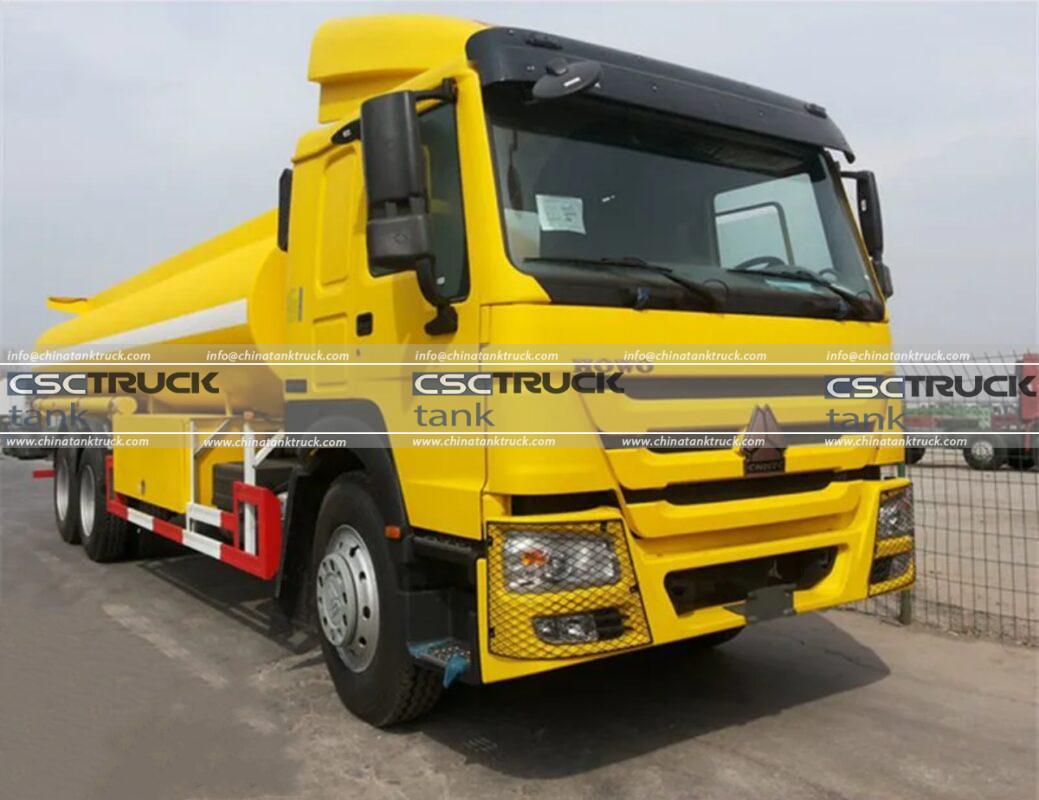
In today’s fast-paced industrial and commercial environments, the demand for efficient, reliable, and safe fuel delivery has never been more critical. Whether serving construction sites, mining operations, agricultural fields, or commercial fleets, businesses increasingly rely on mobile fuel trucks as a core component of their operations. A mobile fuel truck provides on-site fueling solutions that eliminate downtime, reduce labor costs, and enhance operational flexibility. In this article, we explore the benefits, features, and advanced safety systems of mobile fuel trucks — and why they represent a smart investment for businesses requiring flexible fuel delivery solutions.
What Is a Mobile Fuel Truck?
A mobile fuel truck is a specialized vehicle designed to transport and dispense fuel – typically gasoline, diesel, or alternative fuels – directly to equipment, machinery, or vehicles at a worksite. Unlike conventional stationary fuel tanks, mobile fuel trucks can travel to remote locations, offering on-demand fueling wherever and whenever it’s needed.
These trucks are widely used in a variety of sectors, including:
- Construction and infrastructure projects
- Mining and quarry sites
- Agriculture and farming
- Oil and gas facilities
- Municipal and government fleets
- Transportation and logistics operations
Driven by the need for operational efficiency and cost savings, mobile fuel trucks have evolved into sophisticated machines equipped with advanced dispensing systems and safety technologies.
Why Choose a Mobile Fuel Truck for Your Business?
1. Enhanced Operational Efficiency
One of the most significant advantages of a mobile fuel truck is the ability to deliver fuel directly to equipment without transporting machinery to a fueling station. This minimizes idle time, keeps projects on schedule, and eliminates productivity losses due to frequent trips to centralized fueling locations.
Operators can:
- Reduce equipment downtime
- Streamline fueling routines
- Improve workflow continuity
By integrating fueling into daily operations, businesses can devote more time and resources to core tasks instead of managing logistics.
2. Cost Reduction and Resource Optimization
Mobile fuel delivery eliminates the need for dedicated fueling stations, fuel storage facilities, or 3rd-party fueling services. In doing so, it reduces associated infrastructure costs and staffing requirements.
Key financial benefits include:
- Lower fuel theft and loss due to controlled distribution
- Reduced labor expenses tied to off-site fueling
- Elimination of fuel transport costs to the stationary stations
For organizations managing large fleets or dispersed equipment assets, these savings quickly accumulate over time.
3. Flexibility and Scalability
Mobile fuel trucks are inherently flexible. Operators can adjust fueling schedules, routes, and fuel quantities based on real-time site needs. This adaptability is especially valuable for industries with variable demand patterns or seasonal work cycles.
A fleet equipped with mobile fuel trucks can:
- Serve multiple sites in a single day
- Support emergency refueling during outages or critical deadlines
- Scale fuel capacity according to changing operational demands
Many businesses also integrate telematics and route optimization software to further enhance scheduling efficiency.
Core Features of a Modern Mobile Fuel Truck
Today’s mobile fuel trucks are far more than simple tankers. They incorporate a range of engineering, dispensing, and safety technologies that make them reliable tools for contemporary operations. Here are the key features you can expect:
1. Robust Fuel Storage Design
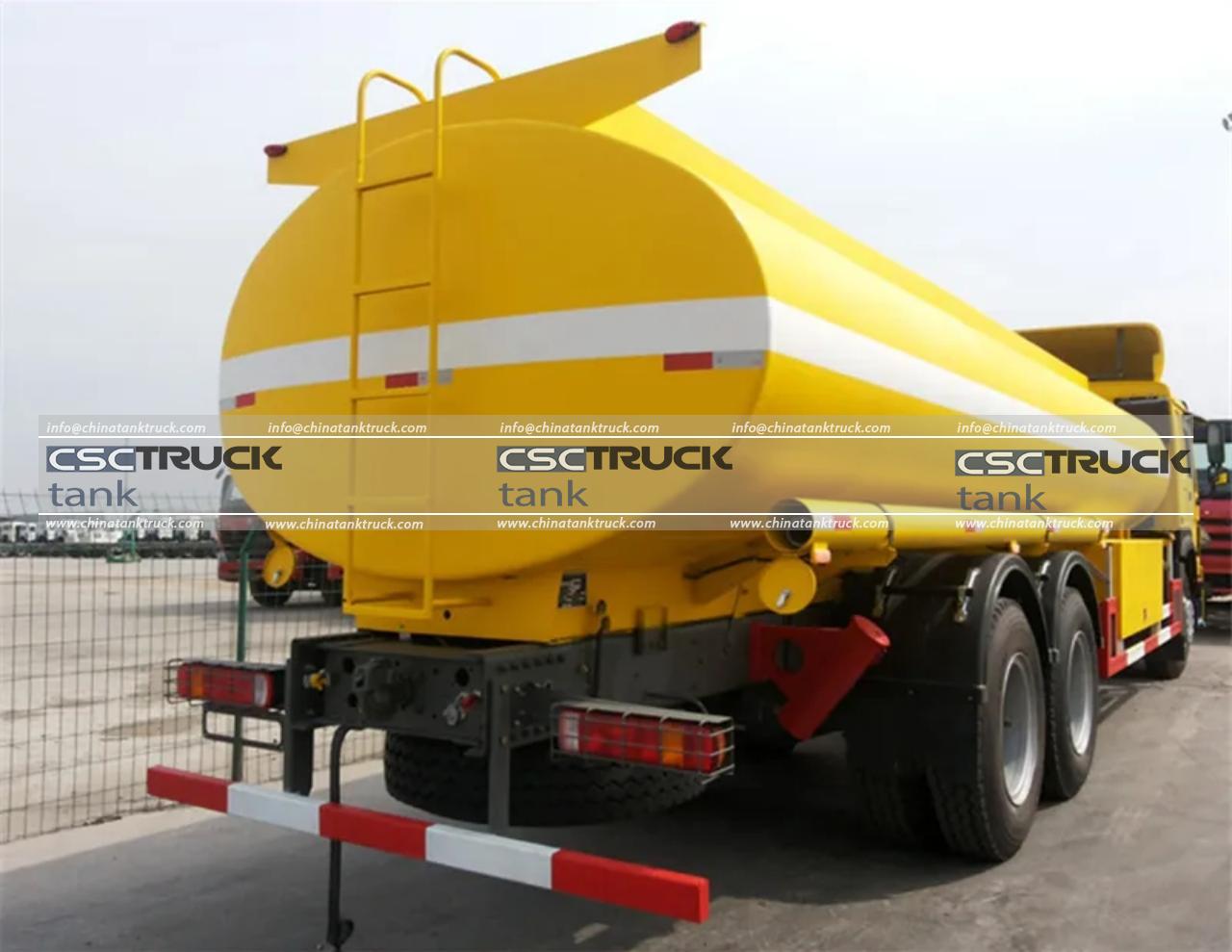
Mobile fuel trucks typically feature corrosion-resistant steel or aluminum tanks with capacities ranging from a few thousand liters to tens of thousands of liters. The tanks are engineered to maintain product quality during transit and reduce evaporation or contamination.
Key aspects include:
- Internal baffles to prevent fuel sloshing
- Pressure relief and venting systems
- Secondary containment options
These design choices ensure fuel integrity while extending the service life of the vehicle.
2. Advanced Fuel Dispensing Systems
Modern mobile fuel trucks come equipped with integrated pumps, meters, and hoses that allow precise and controlled fuel delivery on site. Electronic metering systems provide accurate tracking of fuel dispensed per vehicle or equipment unit, helping businesses monitor usage and manage fuel consumption more effectively.
Common dispensing features include:
- High-flow pumps for faster fueling
- Digital meters with fuel volume and flow rate readouts
- Hose reels with automatic rewind systems
These capabilities make fuel delivery faster, safer, and more cost-effective.
3. Customizable Configurations
Mobile fuel trucks can be tailored to meet specific operational needs. Businesses often choose customized options such as:
- Dual-compartment tanks for delivering different fuel types
- Add-on modules for oil, DEF (Diesel Exhaust Fluid), or lubricants
- Climate-controlled tanks for temperature-sensitive fuels
- Remote dispensing controls for safer operation
Customization allows operators to align vehicle features with industry requirements and site conditions.

Advanced Safety Systems: Protecting People and Property
Safety is paramount when transporting and dispensing flammable liquids. Reputable manufacturers build mobile fuel trucks with multiple layers of protection to minimize risks to operators, equipment, and the environment. Key safety systems include:
1. Emergency Shut-Off Systems
Mobile fuel trucks are equipped with emergency shut-off valves that instantly stop fuel flow during an unsafe condition. These can be manual or automatic and are strategically located for quick access in case of leaks, spills, or equipment failure.
2. Fire Suppression and Heat Protection
Given the flammable nature of fuel, mobile fuel truck designs often integrate fire suppression systems, including:
- Fire extinguishers
- Automatic fire suppression nozzles
- Heat shields and insulation materials
These installations help contain and extinguish fires if they occur.
3. Anti-Static and Grounding Systems
Static electricity can ignite flammable vapors during fuel transfer. To counter this, mobile fuel trucks include anti-static hoses and grounding systems that dissipate electrical charge, reducing the risk of sparks.
4. Leak Detection and Spill Containment
Sophisticated leak detection sensors and secondary containment trays help operators identify potential issues early and prevent environmental contamination. Spill kits and retention systems are also standard in well-equipped fuel trucks.
5. Operator Training and Compliance
Safety doesn’t stop with equipment. Responsible suppliers offer operator training programs to ensure fueling procedures meet industry safety standards and regulatory compliance (e.g., OSHA, EPA). Well-trained personnel handle fuel delivery more confidently and safely in diverse job-site conditions.
Choosing the Right Mobile Fuel Truck for Sale
When selecting a mobile fuel truck, businesses should evaluate:
- Fuel capacity – Match tank size to operational demand
- Engine and chassis durability – Choose rugged builds for tough environments
- Safety certifications – Verify compliance with relevant standards
- Customization options – Tailor configurations for specific fuel types and usage scenarios
- After-sales support – Ensure access to parts, service, and maintenance programs
Working with reputable manufacturers and dealers that understand your industry requirements ensures you get a solution that delivers performance and safety.
Conclusion
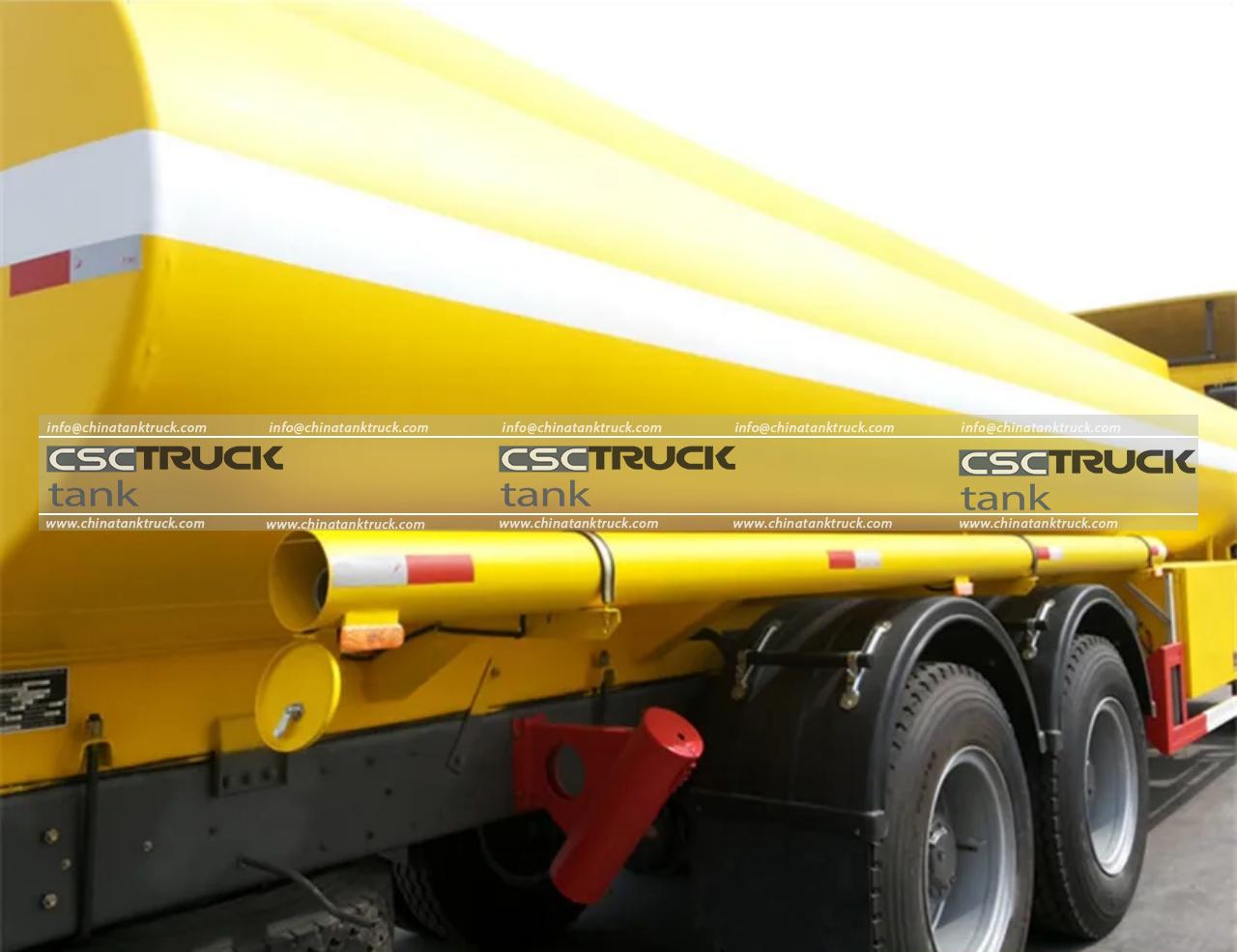
Mobile fuel trucks are indispensable assets for industries that depend on reliable, on-site fueling. With their flexible deployment, cost-saving benefits, and advanced safety systems, they provide a comprehensive fuel delivery solution that meets the demands of modern business operations. Investing in the right mobile fuel truck for sale is not just a purchase — it’s a strategic step toward optimizing productivity, enhancing safety, and maintaining control over fuel assets.
Whether you are managing a fleet, coordinating remote job sites, or streamlining fueling logistics, today’s mobile fuel trucks offer the versatility and peace of mind your operation deserves.
