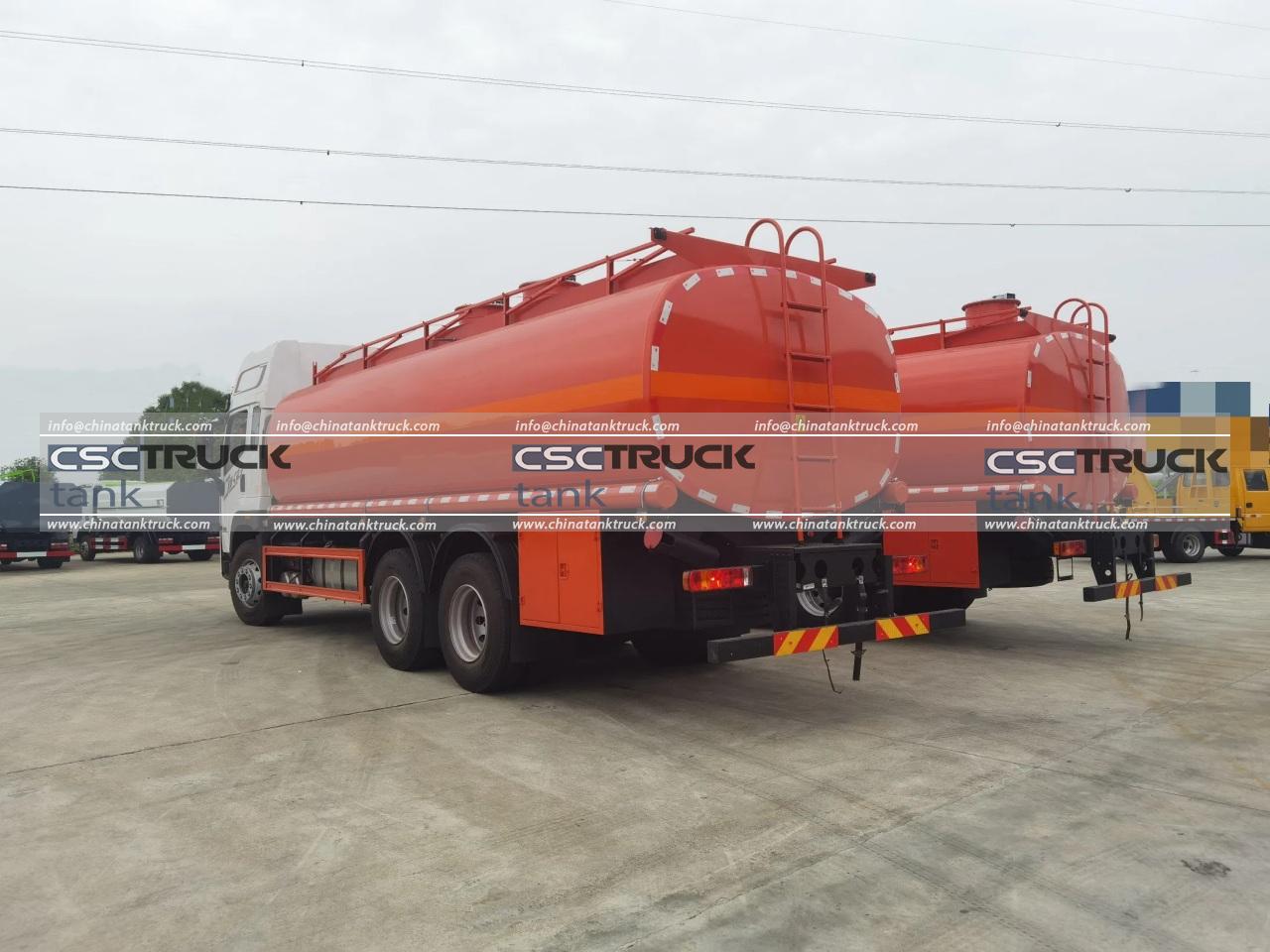
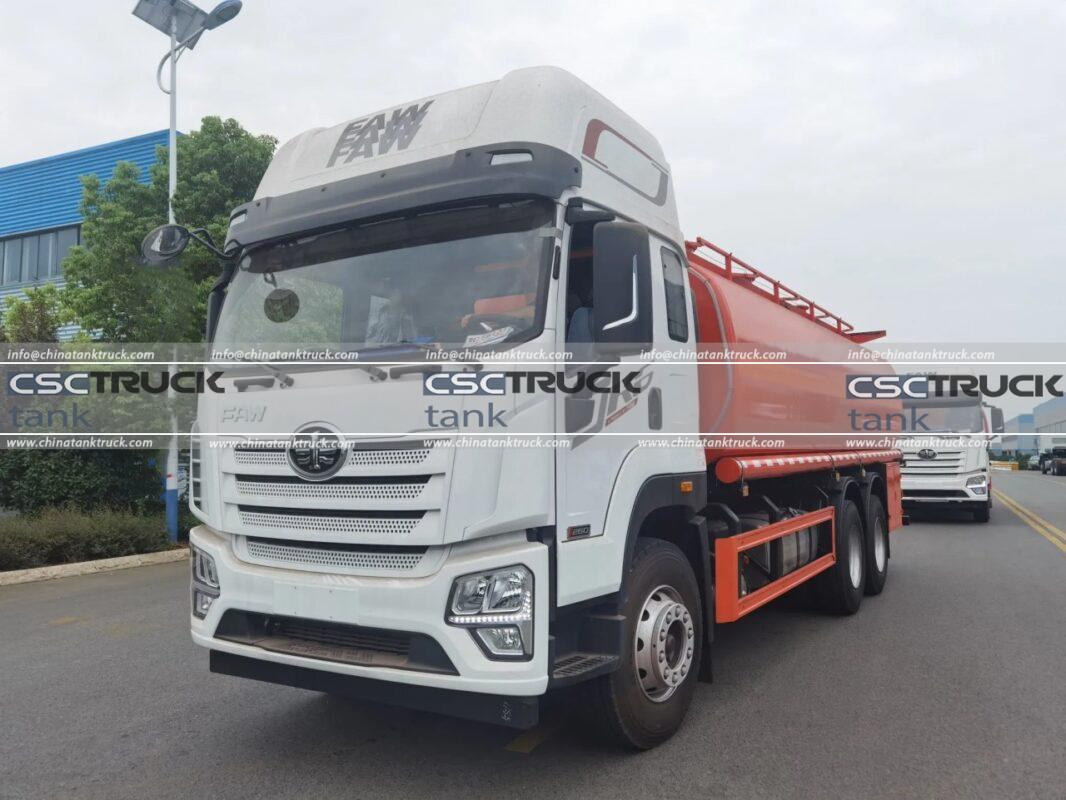
Regular maintenance of an oil tanker truck is essential to ensure safety, reliability, and long-term performance. The vehicle operates under heavy loads and in various demanding environments, so every component must remain in optimal condition. Below is a detailed overview of key maintenance procedures that should be performed regularly.
1. Appearance Inspection
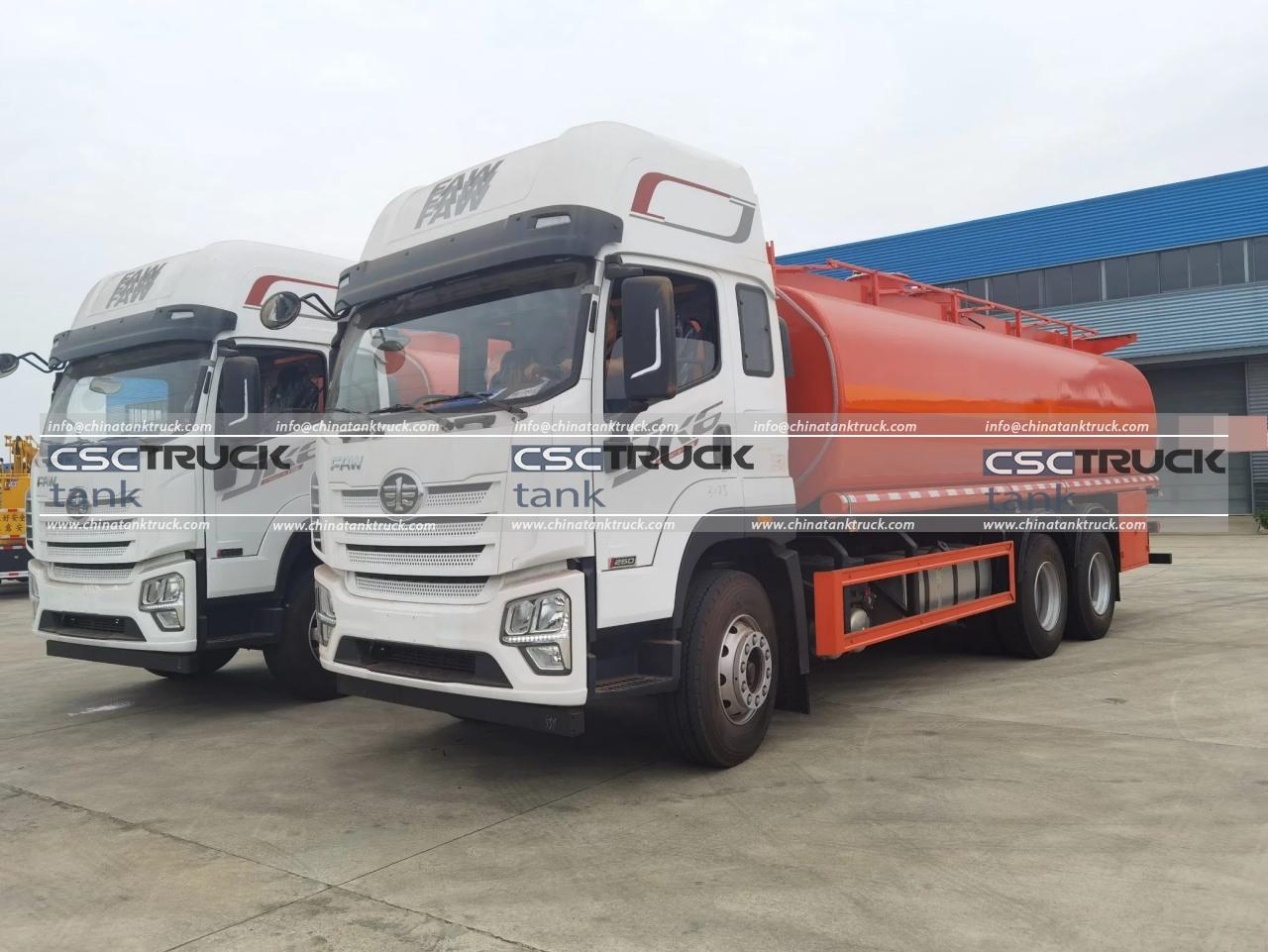
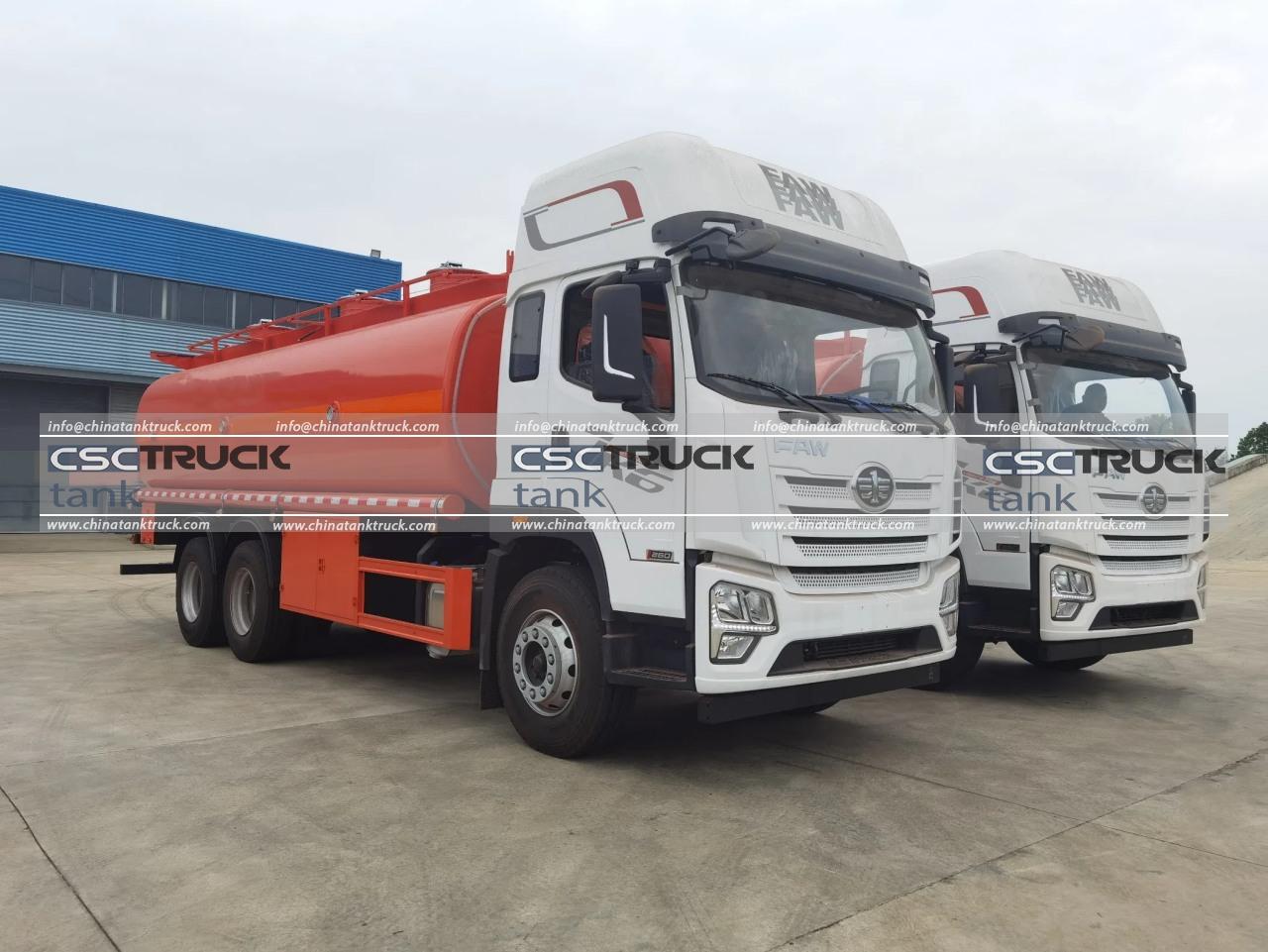
Begin by conducting a thorough exterior inspection of the oil tanker truck. Check the chassis carefully for scratches, dents, or signs of deformation that may indicate prior impact or stress damage. Over time, due to continuous vibration and heavy-duty operation, the suspension system may loosen. All bolts and connections should be inspected and tightened to prevent instability. It is also advisable to perform a 4-wheel alignment to ensure accurate steering and reduce tire wear. Maintaining a clean and undamaged exterior not only reflects professional care but also helps identify potential structural problems early.
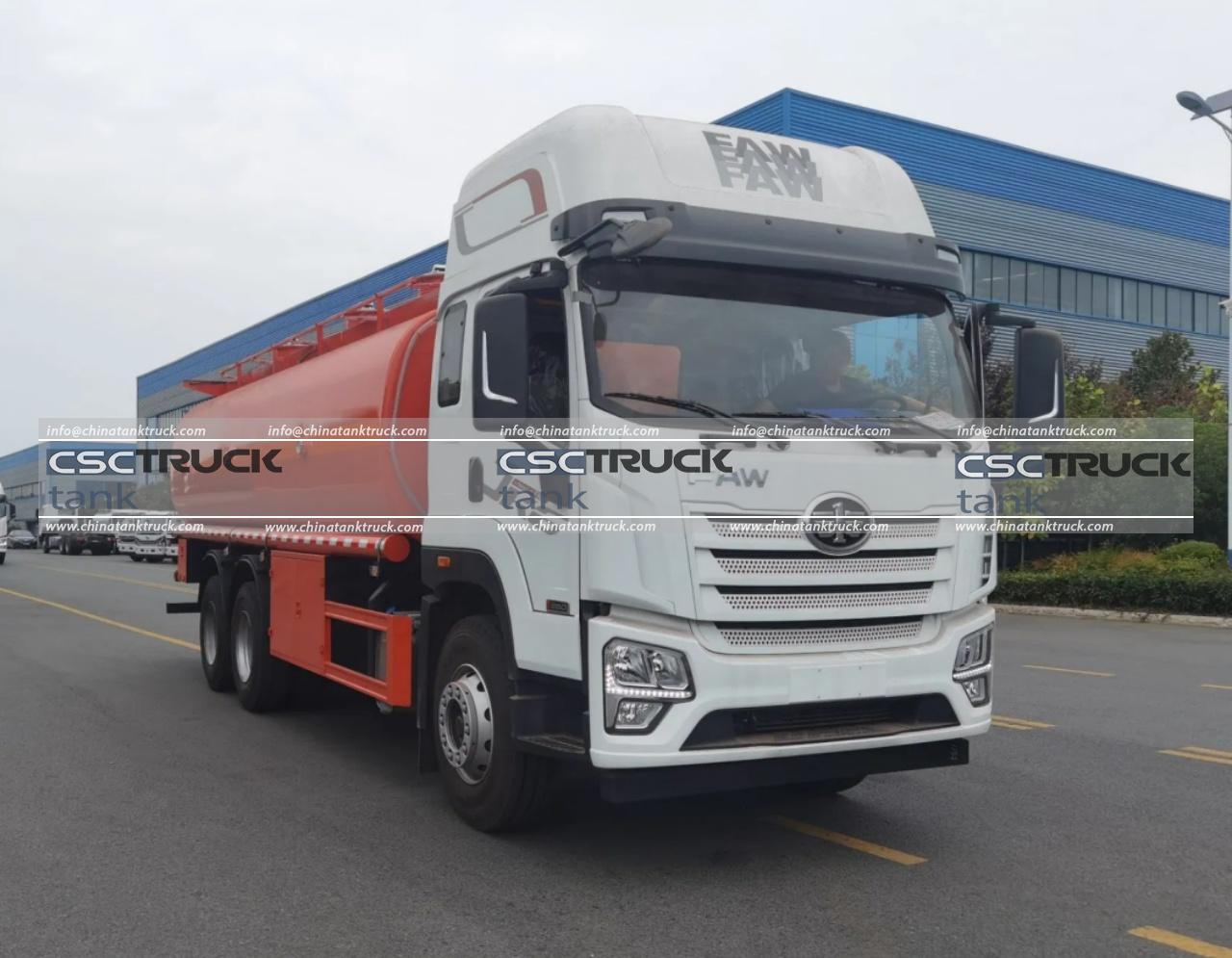
2. Steering Tie Rod
The steering tie rod plays a crucial role in maintaining steering accuracy and vehicle stability. A loose tie rod is a serious safety risk, as it can lead to loss of control while driving. During maintenance, firmly grip the tie rod and shake it with moderate force. If it feels solid and shows no movement, it is in good condition. However, if there is noticeable play or looseness, the ball joint or tie rod assembly should be immediately replaced. Timely inspection of this component ensures responsive steering and overall driving safety.
3. Suspension Controller Bushings
Rubber bushings in the suspension controller are designed to absorb vibration and maintain stability. Once these bushings wear out or crack, the vehicle may start to drift, wobble, or feel unstable on the road. Even performing a 4-wheel alignment will not resolve these issues if the bushings are damaged. Therefore, during routine inspections, carefully examine the bushings for any signs of deterioration or deformation. Replacing worn bushings restores comfort, alignment accuracy, and proper suspension performance.
4. Shock Absorbers
Shock absorbers are responsible for smoothing out vibrations and bumps during travel. A damaged or leaking shock absorber can significantly affect driving comfort and safety. The first sign of failure is usually oil leakage around the shock body. Additional symptoms include excessive bouncing over uneven roads and a noticeable increase in braking distance. When these issues occur, the shock absorbers should be replaced immediately. Properly functioning shocks help maintain vehicle balance, improve tire traction, and protect the chassis from excessive stress.
5. Exhaust Pipe
The exhaust system of an oil tank truck is another component that requires regular attention. Since it operates under high temperatures and corrosive conditions, it is prone to cracks or rust. Trucks equipped with a 3-way catalytic converter are particularly vulnerable to internal damage. Inspect the exhaust pipe for leaks, holes, or unusual noise, which could indicate a broken section. Keeping the exhaust system in good condition ensures optimal engine performance and compliance with emission standards.
6. Wiper Blades
Clear visibility is crucial for safe driving, especially in adverse weather conditions. The wiper blades should be inspected periodically to ensure they can clean the windshield effectively. To test them, lift the wiper arm and run your fingers along the rubber edge to check for cracks or stiffness. The rubber should be soft and flexible. If the blade appears hardened, aged, or brittle, replacement is necessary. Regular maintenance of the wipers prevents streaks, smudges, and reduced visibility during rain or snow.
7. Battery
The battery is a key component of the truck’s electrical system. Most modern batteries are equipped with a condition indicator. A bright green dot signifies good health, while a blurry or darkened green dot indicates low charge. If the indicator becomes transparent or yellow, it suggests that the battery is nearing the end of its life and should be replaced soon. Regular inspection ensures reliable engine starts and prevents unexpected power failures during operation.
Conclusion
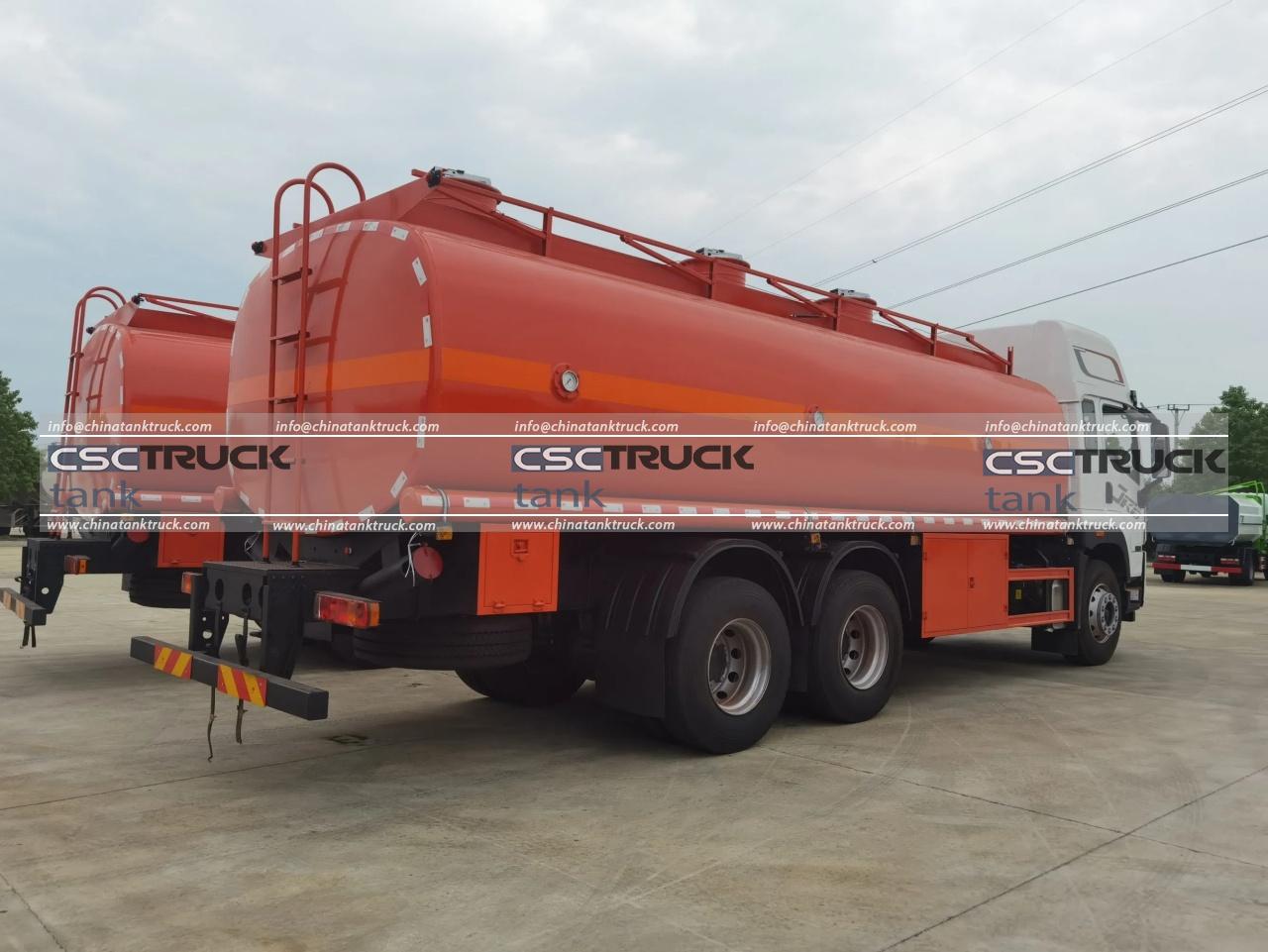
Developing consistent maintenance habits while operating the oil tanker truck is the best way to guarantee both performance and safety. Routine inspections and timely part replacements prevent minor issues from developing into costly repairs. By giving attention to every detail — from the chassis to the electrical system — operators can ensure that the oil tank truck runs efficiently, safely, and for many years to come.